Barley, Farro, Sorghum and More: 9 Whole Grains to Try
Featured Expert
-
Ashli L. Greenwald, M.S., R.D., L.N.

Updated April 15, 2026
Whole grains have long been a staple of a healthy diet, and today’s markets offer a wide variety of options—many of which you may not have tried yet. The Dietary Guidelines for Americans recommends that at least half of all the grains consumed daily should be whole grains. This is roughly 2-4 servings of whole grains per day.
Registered dietitian Ashli Greenwald explains what whole grains are, how they can support your health, and offers practical tips for adding them to your diet.
Key Points
- Whole grains are minimally processed; therefore, they keep all their nutrients. They provide essential vitamins, minerals, protein, and plant compounds that support your overall health.
- Their high fiber content helps keep you full longer, supports healthy digestion, and promotes more stable blood sugar levels.
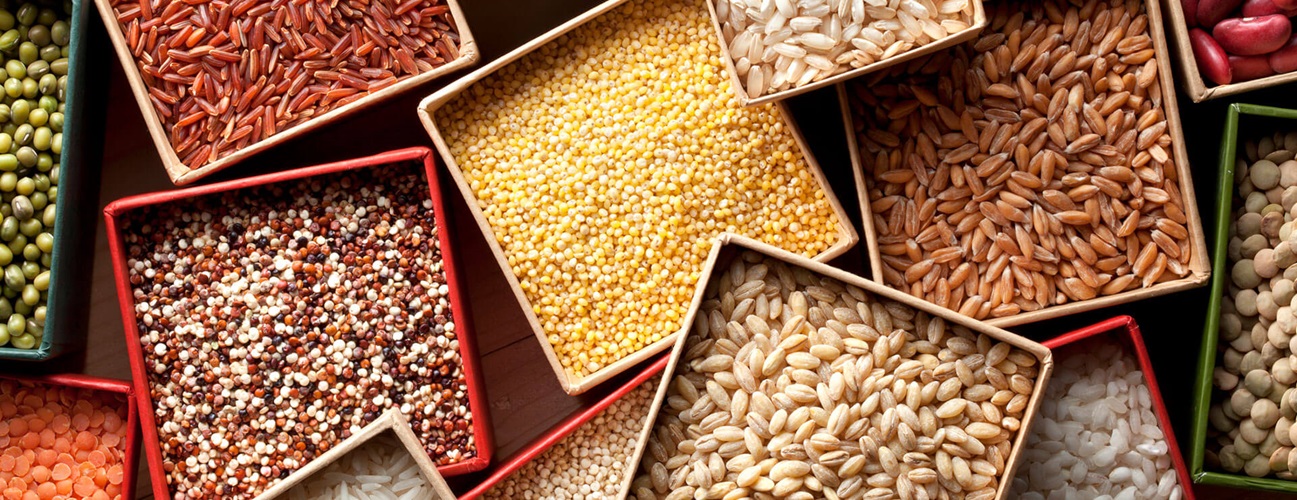
- There are many tasty options to try including barley, farro, quinoa, sorghum, and millet.
- When adding whole grains to your diet, introduce them slowly to help prevent bloating, and aim to fill about a quarter of your plate with them.
What is a whole grain?
“A whole grain is a grain that hasn’t been heavily processed,” Greenwald explains. “It is eaten or prepared close to its natural state, just as it grows. This way it retains all three parts-the bran, germ, and endosperm- where you’ll find the fiber, essential minerals, and healthy fats that support overall health.”
Processed and refined grains are what shoppers most commonly find in stores, she explains. “Most commercial breads are made from grains that have had key components (bran and germ) removed during processing to extend shelf life. This also creates the soft, spongy texture many American consumers prefer. While ‛enriched’ flour has some of the vitamins added back, it still doesn’t offer the same nutritional benefits as whole grain flour and foods.”
How do I know that something is a whole grain?
- Look for the Whole Grain Stamp
The Whole Grains Council created a stamp found on packaging to indicate whole grain content. Products with the 100% Whole Grain Stamp contain at least one full serving of whole grains per serving, while the Basic Stamp indicates at least half a serving.
- Check the Ingredient List First
Ingredients are listed from most to least by weight. If a whole grain (such as whole wheat flour or whole oats) is listed as the first ingredient, the product is more likely to be primarily whole grain.
- Understand Common Label Terms
Phrases like “100% whole grain” or “whole grain-rich” generally indicate that the product is made mostly or entirely with whole grains. Be cautious with terms like “made with whole grains,” as they may only contain a small amount and are often used for marketing purposes.
- Evaluate Nutritional Content
Whole grain products tend to be higher in fiber. A product labeled as 100% whole grain should provide at least 3 grams of fiber per 100 calories. Also watch for added fibers such as inulin, cellulose, or chicory root as these may not offer the same health benefits as naturally occurring fiber found in whole grains.
Good Carbs: Whole Grain Health Benefits
After years of avoiding “carbs,” people are beginning to embrace healthier complex carbohydrates, including whole grains. And for good reason, Greenwald says, “They offer a wide range of benefits for overall health.”
Vitamins, Minerals and More in Whole Grains
“Whole grains are naturally full of nutrients,” she says. “They provide several B- vitamins and important trace minerals, like iron, zinc, magnesium and copper. Some whole grains are also a good source of protein.
“You also get phytonutrients- plant-based compounds that help reduce inflammation and may lower the risk of heart disease, diabetes, and even certain types of cancer,” Greenwald adds.
Fiber, Gut Health and Weight Loss
Because they’re higher in fiber, whole grains help you feel full and satisfied, which can support healthier weight management. Unlike refined carbs such as white flour, white bread, white pasta, pastries and other sweets, they’re also less likely to cause sharp spikes in blood sugars when consumed in controlled amounts.
The soluble fiber found in whole grains may help lower cholesterol and slow digestion, keeping you full for longer. It also acts as a prebiotic, nourishing the beneficial bacteria that support a healthy gut.
Insoluble fiber- found in the husks of whole grains- supports digestive health by promoting regular bowel moments and may help prevent constipation, gallstones, hemorrhoids and other digestive discomforts.
Whole Grains to Try in Your Diet
Many whole grains can be found on the shelves of major grocery stores. Others may be easier to find at smaller, specialty health food stores or organic markets. For more hard-to-find options, you can also explore online retailers.
Amaranth
High-protein amaranth has been enjoyed in South America for thousands of years, and legend has it that the Aztecs called it the “food of immortality.” Greenwald often recommends amaranth to her patients because it’s highly nutritious, naturally gluten-free and easy to bake with. “In most recipes, you can substitute amaranth flour in a one-to-one ratio for regular flour,” she says.
Tips for Amaranth Recipes
- Amaranth can be popped much like popcorn for a light, crunchy snack.
- Amaranth flour also works well in gluten-free baking, including recipes like muffins.
- Its distinctive, slightly spicy flavor pairs especially well with corn and squash dishes, and it complements cinnamon beautifully in desserts.
Barley
Like wheat, barley comes from a plant in the grass family. Whole grain barley (not “pearl” barley) has a pleasant, nutty flavor. Because it contains gluten, it should be avoided by those with celiac disease. Soaking or sprouting barley can provide additional benefits by making its nutrients more easily absorbed by the body.
Tips for Barley Recipes
- Try baking bread with sprouted barley flour for a more nutrient-dense alternative to regular flour.
- You can also add hearty texture to soups by using whole grain barley instead of white rice.
Bulgur
Bulgur, Greenwald explains, is cracked wheat that has been partially cooked and then dried. It’s the main ingredient in tabbouleh, a Middle Eastern dish flavored with mint, parsley and tomatoes. However, bulgur is also very versatile, and its quick cooking time (~10 minutes) makes it an easy, nutritious option for busy people looking to add more whole grains to their diet.
Tips for Bulgur Recipes
- Bulgur is delicious when tossed with a simple dressing of lemon, olive oil, salt, and pepper.
- It can also be mixed into homemade veggie burgers or vegetarian chili for added texture and nutrition.
- In addition, it works well as a filler in meatballs and meatloaf.
Farro
Farro refers to any of three ancient grains from the Triticum family, first cultivated and eaten over 2,000 years ago. It remains popular in Tuscan and other Mediterranean cuisine today. In addition to its rich flavor, whole-grain farro is a good source of fiber and protein. Its pleasantly chewy texture holds up well in soups and stews. The whole grain version of farro is more nutritious than the husked or “pearled” variety.
Freekeh is another type of wheat. The grain is harvested while still young and green, then roasted to develop its distinctive, smoky flavor. It can be used as a substitute in recipes that call for quinoa, wheat berries, or farro.
Tips for Farro Recipes
- Soak whole grain farro overnight before cooking to help improve its texture and reduce cooking time.
- Toss it with kale and other vegetables for a hearty, flavorful salad.
- You can also add it to soups or serve it simply with a drizzle of olive oil and your favorite seasonings.
Millet
Millet, is also a protein-rich whole grain enjoyed by people around the world. As a crop, it is valued for its resilience and ease of cultivation. Millet is a staple of many traditional breakfasts, especially in Africa, Asia, and parts of the Middle East. It’s often cooked into porridge or pilaf with water, broth, or milk, and can be seasoned with herbs, spices, or vegetables.
Tips for Millet Recipes
- Millet can be used in place of rice in stir-fry dishes for a nutritious alternative.
- It can also be cooked and served warm as a breakfast cereal.
- In addition, millet can be seasoned and formed into patties to make veggie burgers.
Whole Oats
Unlike processed, sugar-laden instant oatmeal packets, whole oats and steel-cut oats provide the full nutritional benefits of this versatile grain. And they’re no longer just for breakfast.
Tips for Whole Oat Recipes
- Enjoy whole oats for breakfast in hot cereal, muesli, or muffins.
- Add fresh berries for an antioxidant boost.
- You can also use whole oats as a healthy alternative to breadcrumbs when extending hamburgers or meatloaf.
Quinoa
Pronounced “KEEN-wah,” this versatile, gluten-free grain is actually an edible seed. It serves as a healthier substitute for white rice and can be enjoyed in many ways—as a hot breakfast dish, a base for salads, or an addition to soups. Greenwald notes that quinoa is a complete protein, meaning it contains all nine essential amino acids that our bodies must obtain from food.
Tips for Quinoa Recipes
- There are over 100 varieties of quinoa. White and yellow quinoa tend to have the mildest flavor, while black quinoa has a more robust, intense taste.
- Be sure to rinse quinoa thoroughly before cooking.
- It’s done when the pale outer hull begins to separate from the germ inside.
Sorghum
What is sorghum? Like corn, it is an important whole grain used for feeding both animals and people, but it requires significantly less water to grow and matures quickly, making it a more environmentally friendly crop. Sorghum originates from Africa and first appeared on Southern American tables as an ingredient in molasses. It is rich in antioxidants, vitamins, and minerals, and is naturally gluten-free. Each half-cup serving contains about 10 grams of protein, making it both nutritious and filling.
Tips for Sorghum Recipes
- Sorghum has deep roots in African heritage cuisine and pairs well with Creole and Cajun flavors.
- It’s also finding its way into gourmet cooking, where it’s used in flatbreads and Spanish-style rice-style dishes.
- Try it tossed with vegetables and dressing for a hearty, nutritious salad or as a filling for pita bread.
Teff
These tiny, nutrient-dense grains have a mild, nutty flavor and provide iron along with other essential minerals. Teff flour is used to make injera, the traditional flatbread in Ethiopian and Eritrean cuisine that’s used to scoop up stews. Because teff grains are so small, they contain a higher proportion of germ and bran—the most nutrient-rich parts of whole grains—making them especially nutritious.
Tips for Teff Recipes
- Greenwald says teff makes an excellent hot cereal and can also be prepared like polenta or served as a side dish.
- You can even make an overnight teff porridge by combining it with water and letting it sit in the refrigerator overnight.
- When cooked like rice, teff is quick to prepare—ready in about 15 to 20 minutes.
Whole Grains and Gas
Some people are hesitant to enjoy whole grains because they worry about bloating or intestinal gas. If your body isn’t used to high-fiber foods, Greenwald suggests introducing whole grains gradually to help minimize these symptoms. “Start with smaller servings,” she advises, “and make sure you increase the amount of water you drink.”
Over time, you may notice improved digestion. Once whole grains become a regular part of your diet, you may also be less likely to experience constipation, which can be a common contributor to bloating and intestinal gas.
Whole Grains and Your Healthy Diet
Greenwald says whole grains can add both valuable nutrients and great flavor to your meals. “Mindfully incorporating whole grains into meals can maximize the health benefits they provide,” she says. Try swapping out refined grains for whole grains in recipes and meals. “Include whole grains in breakfast (oatmeal or whole-grain toast), lunch (brown rice or quinoa), and dinner (whole-wheat pasta or barley).
She recommends using a balanced plate approach: “Your serving of whole grains should make up about 25% of your plate, with lean protein covering another 25% and vegetables filling the remaining half.”Check labels for “100% whole grain” or “whole grain” as the first ingredient.
Medically reviewed by Ashli L. Greenwald, M.S., R.D., L.D.N