-

Congenital heart defects
Innovations in Pediatric Congenital Heart Defect Treatment
Some congenital heart defects in children are simple and don't need treatment. Others are more complex and may require many forms of treatment. John Thomson, interventional cardiologist at Johns Hopkins Children's Center, discusses minimally-invasive techniques, including stent procedures, duct closures and valve replacements, which are proved effective for pediatric patients with congenital cardiac issues. -
Pain Management
Understanding Regenerative Medicine: What Patients Should Know
In this episode of Your Health with Johns Hopkins Medicine, sports medicine physician Dr. Bashir Zikria, of the Gildenhorn Institute for Bone and Joint Health, explains what regenerative medicine is, who may benefit, the types of treatments available, and what patients can realistically expect.
-
Women's Health
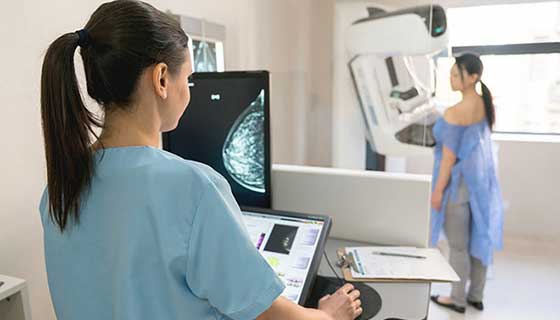
A Breast Radiologist’s Perspective: Screening Mammography and Diagnostic Imaging
Join breast imagers Dr. Emily Ambinder and Dr. Eniola Oluyemi for a virtual live webinar as they explain the various pathways a patient might take through breast imaging as well as the difference between a screening mammogram and a diagnostic mammogram.
-

Women's Health
A Discussion on Atrial Fibrillation with cardiologist Hugh Calkins
September is National Atrial Fibrillation Awareness Month. Atrial fibrillation (also called AFib or AF) is a quivering or irregular heartbeat (arrhythmia) that can lead to blood clots, stroke, heart failure and other heart-related complications. According to the American Heart Association, at least 2.7 million Americans are living with AFib. -

Meningioma
A Meningioma Brain Tumor Diagnosis: Now What?
A recent lecture by Dr. Henry Brem covers brain tumor symptoms, classification of meningiomas and treatment from the multidisciplinary Meningioma Center at Johns Hopkins.
-
Bladder and Bowel Dysfunction
A Woman's Guide to Better Bladder and Bowel Control
Do you suffer from bladder or bowel incontinence? You’re not alone and this prevalent condition can be treated effectively. Join gynecologist Victoria Handa, M.D. and colorectal surgeon Susan Gearhart, M.D.,to learn more about treatment options, including nonsurgical therapies and surgical procedures, and what to expect afterward. -

Women's Health
A Woman's Journey - Foresight: Reducing Vision Loss
Learn the latest efforts to reduce glaucoma, age-related macular degeneration and diabetic retinopathy — the most common causes of vision loss. Watch two experts from the Wilmer Eye Institute at Johns Hopkins —glaucoma and cataract ophthalmologist Mona Kaleem, M.D. and retina ophthalmologist Mira Sachdeva, M.D, Ph.D. — as they outline the causes, diagnoses and new treatment developments.
-

Women's Health
A Woman's Journey - Knee Deep in Pain
Nothing disrupts daily activities like knee pain. Johns Hopkins orthopaedic surgeon Stefan Coombs examines surgical and nonsurgical treatments for osteoarthritis and other causes for knee pain. -

Women's Health
A Woman's Journey - Regret: Its Effects and Negative Impact on our Lives
Regret is a powerful emotion. PsychCentral notes that regret is a negative emotional response related to what you could have done differently. It is a common experience and can affect your mental health. Living with regret can feel unbearable, but there are ways you can cope with experiencing it.