PMOS and Infertility
Featured Expert

February 2, 2026
Polyendocrine metabolic ovarian syndrome (PMOS) is one of the most common, and most misunderstood, causes of infertility.
Key Points
- Lifestyle changes, including diet and exercise, are an important first step for treating infertility with PMOS.
- Even a 5% reduction in weight could lead to more regular periods.
- If you are trying to conceive, talk to your doctor about medications.
- The overall success rate for fertility treatments with PMOS is generally good.
Fertility specialist Pardis Hosseinzadeh breaks down what everyone should know about PMOS and reproductive health, and discusses today’s most effective care options. “Early education about PMOS and fertility is key. Then, when a patient is ready to begin trying to get pregnant and stops taking birth control, they can go to a fertility expert sooner for guidance,” she advises.
How hard is it to get pregnant if I have PMOS?
There’s no single statistic because PMOS varies widely by the individual, but many women with PMOS conceive naturally.
- For those under 35, lifestyle modification alone can improve pregnancy rates, and chances are especially good with fertility treatment.
- Many women over 35 with PMOS still conceive with the right fertility support.
Lifestyle Changes When You’re Trying to Conceive with PMOS
For those with PMOS, when you’re trying to conceive, lifestyle modifications are the first course of action your doctor will recommend.
Dietary Recommendations
- The most important aspect is to find sustainable, individualized dietary changes.
- The Mediterranean diet has shown benefits, as well as intermittent fasting. Learn what Johns Hopkins nutritionists suggest for a PMOS diet.
Physical Activity Recommendations
Individuals with PMOS often require substantially more exercise than others to maintain their weight. Even a small reduction in weight (5%) can lead to improvements in metabolic and reproductive function, including helping to resume regular menstrual cycles.
- Moderate activity of 30–60 minutes a day, five days a week is recommended. For high-intensity workouts, try 75 to 150 minutes per week.
- In addition to aerobic activity, include two sessions of strength training per week.
Medications for PMOS and Infertility
Beyond lifestyle changes, the World Health Organization (WHO) has guidelines specifically for those with PMOS who are trying to conceive:
- Oral medications are the first treatment option to induce ovulation.
- If oral medications are not effective, the next step is injectable gonadotropins, followed by in vitro fertilization (IVF).
- Egg freezing is a good option for patients with PMOS who are planning planning to get pregnant when they’re older, especially if they anticipate needing more advanced fertility treatments like IVF in the future.
- If a person is on hormone therapy like combined oral contraceptives, it is recommended to stop hormone therapy at least two to three months before trying to conceive. This allows time for the menstrual cycle to regulate. If cycles are still irregular after this period, seek help from a fertility specialist.
- Medications like spironolactone, a diuretic, and GLP-1 receptor agonists should be stopped as soon as possible if pregnancy occurs. They are not safe during pregnancy, and some have a two-month washout period.
While patients with PMOS have a higher risk of difficulty in trying to conceive, the overall prognosis for fertility treatments is generally good.
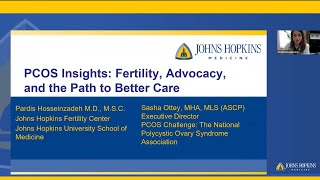
PMOS Insights: Fertility, Advocacy and the Path to Better Care
Are there risks after getting pregnant if I have PMOS?
Yes, there are higher risks associated with PMOS and pregnancy. These include:
- Miscarriage
- Gestational diabetes
- A strong link to insulin resistance, which raises the chance of developing diabetes during pregnancy. This can lead to:
- Larger babies
- More complicated deliveries
- Higher chance of needing a cesarean section (also called a C‑section)
- Preeclampsia and high blood pressure
- Preterm birth
- Larger babies (LGA)
- C‑section delivery
With good prenatal care and monitoring, most women with PMOS still have healthy pregnancies. Talk to your doctor about the best plan for you throughout your pregnancy.
What kind of doctor treats PMOS?
Because PMOS is a complex condition that requires expertise in different medical areas, a multidisciplinary care team offers the best support for treating it.
A team approach ensures you receive complete care for various needs, including:
- Gynecological needs
- Endocrinology needs
- Dermatology
- Nutrition and healthy weight management
- Mental health
This team approach provides support for implementing healthy lifestyle changes, tracking symptoms and managing an individualized care plan.
Medically reviewed by Pardis Hosseinzadeh, M.D., M.Sc.