
Medical Records: Getting Organized
Featured Expert

Updated April 26, 2026
In a study of senior cardiac patients, researchers found that those who kept a personal health record enjoyed better health—perhaps because they and their caregivers could better see their health picture. In an emergency, having records at the ready can also be helpful for health care professionals.
But getting health information organized can seem overwhelming. The good news: You can get the upper hand on records and make organizing key health information for you and your loved ones easier with these tips from Johns Hopkins internal medicine and geriatric medicine physician Alicia Arbaje, M.D., M.P.H., Ph.D., F.A.C.P.
Create a doctor directory.
Jot down all health care professionals, their contact information and the role they play in care (i.e., who you call for what types of questions). This record is especially important if you are a caregiver juggling many contacts and appointments for a loved one.
Keep these records at the ready.
Key records more than a year old may be packed away. But keep documents from the past year readily accessible, including:
- A family health history (particularly parents, siblings and grandparents).
- A personal health history (conditions, how they’re being treated and how well they’re controlled, as well as important past information such as surgeries, accidents and hospitalizations).
- Doctor visit summaries and notes.
- Hospital discharge summaries.
- Pharmacy printouts that accompanied prescribed medications. In a study of patients taking blood pressure drugs, about 40 percent were unable to name a single one of their medications.
- List of over-the-counter medications and supplements.
- Test results (such as blood work, urine tests, X-rays, MRIs, bone density scans, mammograms and prostate screenings). If you or your loved ones have certain lab tests done regularly, a record will enable you to track changes from year to year and ask informed questions.
- Insurance forms related to medical treatment.
- Legal documents such as a living will and medical power of attorney.
- List of emergency contacts and contact information of important people (e.g., family and friends) involved in helping you with your health.
Try It Record a Health Goal
Treat medical records like you would a résumé. Determine an overall health goal and write it down so that you can share that with doctors. For example, you may write, “My goal is to be able to go to my grandkids’ school and sports events.” Keep that goal in mind every time there’s a question of treatment.
Log symptoms and side effects.
If you or a loved one has a chronic condition, keep a log of relevant factors like blood pressure and blood sugar. If you can, include the time of day so that your doctor can help figure out whether changes in your health measurements are related to the condition or to medications. Note any changes in nutrition, activity and stress levels.
Also keep a log of how you or your loved one responded to any medications and treatments. Be specific with the name of the medication, the dose and what happened. This record will come in handy when trying to determine adverse effects of treatments down the line.
Take advantage of technology.
Health care providers, hospitals and insurance plans may offer patient portals and online records that you can access. Apps and programs can help you manage health records—ask your primary care doctor for recommendations.
If you use any online tools, be sure to record (and share with a backup contact) the logins and passwords.
Keep copies.
Whether you use high-tech record keeping or a good old-fashioned file folder, be sure to keep several copies of your medical records. If you can keep one in your car or purse it will ensure you always have it when you go to the doctor or if you unexpectedly end up in the hospital. It’s also smart to stash a copy of health records in a safe and/or with someone else in case of natural disaster.
Medically reviewed by Alicia Arbaje, M.D., M.P.H., Ph.D., F.A.C.P.
What You Need to Know Sign Up for MyChart
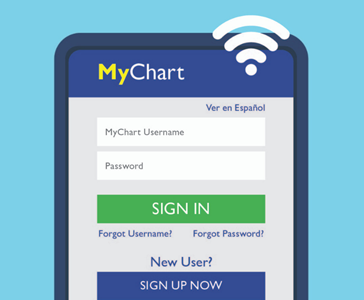
Current Johns Hopkins Medicine patients can complete an online form from the convenience of home to communicate with healthcare professionals, access test results, request prescription renewals and manage appointments. You can also authorize MyChart access to your emergency contacts or to other family or friends involved in your care.