Gout Diet: What to Eat and What to Avoid
Featured Expert

August 5, 2026
Gout was once known as the “disease of kings” because it was linked to consumption of rich foods and alcoholic drinks. We now know it is a type of arthritis caused by an inflammatory reaction to a buildup of uric acid in the blood.
Eating a healthy diet, staying well-hydrated and avoiding certain foods can reduce the risk of painful flares, says rheumatologist Myma Albayda, who treats people with gout. Albayda provides an overview of what to eat and what to avoid in order to manage gout and reduce painful flare-ups.
Key Points
- Eating a healthy, well-balanced diet that keeps uric acid levels from spiking can reduce gout attacks.
- Fruits, vegetables, lean proteins and low-fat dairy products are low in purines and can help reduce gout attacks.
- Foods and beverages that are high in purines include shellfish, organ meats, beer and hard liquor, as well as products made with high-fructose corn syrup.
What is a gout-friendly diet?
Choosing a gout-friendly diet is an important part of any gout management strategy. Eating and drinking certain foods, while avoiding others, can reduce the buildup of uric acid and lessen the frequency and severity of gout attacks.
A successful gout diet avoids foods that are high in purines, which are naturally occurring compounds that the body breaks down into uric acid. Indulging in large quantities of these foods can cause uric acid levels to spike, leading to painful gout attacks.
“A gout-healthy diet can minimize the buildup of uric acid, and also help prevent these flares,” say Albayda, a Johns Hopkins Medicine associate professor in the Division of Rheumatology. “For example, many patients describe an acute flare-up of gout after binging on alcohol or eating a lot of crab and shellfish in one meal.”
Low-Purine Foods for Managing Gout
A diet to manage gout is basically a well-balanced diet that prioritizes foods that are low in purine. It includes plenty of these foods and beverages:
- Fruits and vegetables
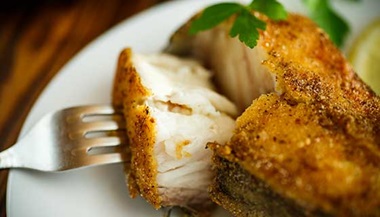
- Lean proteins like fish and chicken
- Low-fat dairy products like milk, cheese and yogurt
- Foods that promote reductions in uric acid levels:
- Nuts
- Soy products like tofu
- Cherries
- Coffee
What are foods to avoid or eat in moderation if you have gout?
- Shellfish like shrimp or crab
- Oily fish such as sardines and anchovies
- Organ meats like liver or kidney
- Game meats like bison or deer
- Foods and drinks made with high-fructose corn syrup, such as sodas and processed desserts
- Alcoholic beverages, particularly beer and hard liquors
When possible, says Albayda, choose complex carbohydrates such as whole-wheat breads over simple carbs like white breads and cakes. Also, drink plenty of water. And remember that these are guidelines, not hard-and-fast rules.
“It’s not that you can’t ever have these foods, but if you do, eat them in moderation so it doesn’t cause abrupt spikes in your uric acid levels,” Albayda says. “Gout is a chronic disease. You’re in it for the long game, so you want to be able to figure out what is doable and workable for you.”
Gout Diet and Alcohol
In general, alcoholic drinks, particularly beer and hard liquors, raise the risk of flares in people with gout.
As with food, however, the key is moderation, and in learning what works for you. “Most patients who have gout know what their triggers are,” says Albayda.
An occasional beer or glass of wine can generally be managed in a healthful gout program, she says.
Are cherries good for people with gout?
Cherries and cherry juice have been shown to help lower uric acid levels during gout attacks.
What else can be done to manage gout?
Eating a healthy diet low in purines is one way to help manage gout, but it will not fully control it. Other important strategies include:
- Taking medications for gout.
- Staying well-hydrated, particularly during a gout attack.
- Maintaining a healthy weight.
- Exercising.
Medically reviewed by Myma Albayda, M.D.