Functional Neurological Symptom Disorder
Featured Experts


August 13, 2026
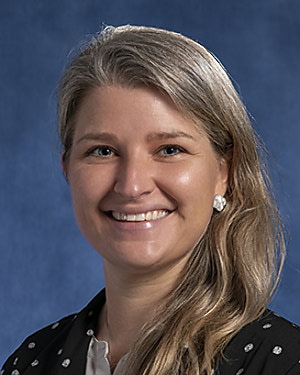
Functional neurological symptom disorder (FND) is an umbrella term for several groups of signs and symptoms that stem from disruption in the nervous system. Founders and co-directors of the Functional Neurological Disorder Program at Johns Hopkins Medicine, neurologist Jason Chua, M.D., Ph.D., and neuropsychologists Alison Buchholz, Ph.D., and Eva Keatley, Ph.D., discuss what FND is, its symptoms and treatments.
Key Points
- FND symptoms are caused by a breakdown in how the nervous system works, and they are not always related to physical injury.
- FND symptoms can include movement, sensory, cognitive, dizziness and speech-related issues.
- Clinicians use medical history, examinations and tests to diagnose FND.
- The treatment varies, and is tailored to address each person’s symptoms.
What is functional neurological disorder?
Functional neurological disorder is a common condition that is called “functional” because it refers to how the nervous system works and how the brain sends and receives signals. In people with FND, these signals can get jumbled or disrupted, which affects how the body functions.
With FND, all kinds of body functions can be affected:
- Movement
- Thinking and reasoning (cognition)
- Sensory functions
- Speaking
- Emotions
Is FND the same as conversion disorder?
Yes, functional neurological disorder is a newer, updated term for the condition formerly known as conversion disorder. The conversion disorder term implies that the symptoms are a result of psychological trauma being converted into physical manifestations. While some people with FND do have psychological trauma, for others, there is no psychological trauma that contributed to symptoms. Therefore, the term functional neurological disorder better reflects the broad range of causes and symptoms.
What are the symptoms of functional neurological disorder?
Functional neurological disorder symptoms vary from person to person and can affect a wide range of neurological functions. Doctors identify several types of FND based on the primary symptoms. People with FND may have a combination of symptoms that fall in these groups:
- Functional/dissociative seizure symptoms – these seizures used to be called psychogenic nonepileptic seizures (PNES) because they resemble epileptic seizures but do not have the same electrical activity in the brain. Symptoms include:
- Closed eyes during the episode
- Side-to-side head movement
- Pelvic thrusting
- Prolonged attacks
- Hyperventilating
- Shaking all over the body with awareness
- Each side of the body moving out of sync
- Crying and/or screaming
- Functional movement symptoms
- Involuntary movements, such as tremor, twitching/jerking of muscles, facial spasms or drooping, tics, or twisting of body parts
- Paralysis and weakness
- Gait and balance problems, such as foot dragging, tripping, wobbly steps, knee buckling, and feeling anxious or hesitant about taking steps
- Functional cognitive symptoms
- Sometimes forgetting, misplacing or losing track of items, names, conversations and personal items, but other times remembering these well
- Brain fog, slowed thinking and difficulty concentrating
- Feeling distressed that your memory is not as reliable as it used to be
- Functional speech/voice and swallowing symptoms
- Speech problems, such as stuttering, difficulty making certain sounds or having a new accent
- Voice problems, such as change in the sound of the voice
- Swallowing problems
- Functional sensory symptoms
- Abnormal sensations, such as numbness and tingling
- Vision changes, such as blindness
Symptoms may start suddenly and progress quickly in certain people. For other people, symptoms may come and go. It is also common for FND symptoms to appear when a person has another condition (such as migraines, physical injuries, viral infections, epilepsy or Parkinson’s disease). The symptoms and their unpredictability can disrupt quality of life. Most people get better, and treatment can help.
Who develops functional neurological disorder?
“As far as we know, FND can affect anyone — we have yet to discover any demographic or other factors that provide immunity from FND. Specifically, FND affects all genders, races and ages. However, we do know that certain factors increase predisposition to FND, and the absence of such factors likely provides resilience from developing FND,” says Buchholz.
Experts think that these factors may contribute to FND:
- Previous injuries or illnesses
- Chronic health conditions
- Other neurological conditions
- Psychological stressors
- History of childhood adversity
Some studies suggest that genetic and environmental factors may also affect a person’s likelihood of developing FND or how FND manifests.
How is functional neurological disorder diagnosed?
“FND is diagnosed by a neurologist, because neurologists have the best expertise for assessing neurological symptoms and the symptoms of FND,” explains Jason Chua, M.D., Ph.D. “Your neurologist may work with a team of neuropsychologists, physical and speech therapists, and psychiatrists for additional assessments, and together this multi-expert team will check for biological factors, psychological factors and social factors to confirm a diagnosis of FND.”
FND is diagnosed using:
- Medical history – Doctors review symptoms, looking for patterns unique to FND. They consider when the symptoms started, what triggers them and risk factors related to FND.
- Comprehensive exam – Doctors conduct a physical and neurological examination that includes observing for signs of FND. These signs include whether neurological symptoms are distractible, can match up with movements in other limbs, migrate to other and unaffected limbs, and improve or worsen with specific maneuvers from the examiner.
- Imaging and electrical activity tests – Doctors use brain imaging and other tests to look for clues that help confirm or rule out FND. These tests may include:
- MRI or CT scans to check for structural brain problems.
- Functional MRI (fMRI) scans to see changes in brain activity, which can be used to diagnose FND.
- Video electroencephalography (EEG) to distinguish between functional seizures and epileptic seizures.
- Electromyography (EMG) to record electrical activity in different parts of the body. Doctors use this to look for patterns that match FND.
What are the treatment options for functional neurological disorder?
Treatment plans for people with functional neurological disorder vary depending on the person’s symptoms, existing health conditions and other factors. Sometimes, a multispecialty approach is needed, and the care team may include neurologists, physical therapists, occupational therapists, speech-language pathologists and/or psychologists. Treatment plans are tailored to each person’s unique circumstances.
FND treatment may include:
- Physical and occupational therapy to help target irregular movement and help the brain relearn healthy movement patterns. Rehabilitation therapists help people retrain their brain to manage nervous system dysregulation while performing functional tasks. Up to 74% of people report clinical improvement after a rehabilitation program, making this one of the most effective treatment strategies for FND. “Working with rehabilitation team members who are familiar with FND is key,” says Keatley. “In FND care, rehabilitation therapies aren’t about strengthening. Instead, the focus is on learning about your condition, learning to regulate your nervous system and approaching difficult functional tasks while using strategies to promote safe, normal and fluid movements.”
- Speech-language therapy can be used to address speech, voice and swallowing symptoms related to FND. Some speech-language therapists also help with cognitive symptoms through cognitive rehabilitation.
- Psychological treatments (psychotherapy) have been shown to improve motor and sensory symptoms, function and quality of life in people with FND. While there are different types of therapeutic approaches (e.g., cognitive behavioral therapy, psychodynamic therapy, dialectical behavioral therapy, etc.), there is no single type of therapy that has proven to be better than the others for FND. Psychotherapy can help identify symptom triggers and factors that are causing symptoms to persist, as well as help people with FND develop coping strategies.
- Brain and nerve stimulation treatments
- Transcranial magnetic stimulation (TMS) stimulates nerve cells in the brain by using magnetic fields outside of the head. “There is some limited research showing that TMS might be helpful in FND, but not enough is known about who benefits and why,” says Keatley. TMS for FND is considered an experimental treatment, and it is not covered by insurance.
- Transcranial direct current stimulation (tDCS) stimulates the brain to alter neural activity by sending low-amplitude current using electrodes on the scalp. Keatley notes, “tDCS is being researched as a potential way to enhance effectiveness of rehabilitation therapies, but there is not enough evidence yet to determine if it helps.”
- Psychedelics. Researchers are studying psilocybin as a therapeutic tool in treatment of FND. Research shows promising data in improving outcomes when psilocybin is combined with psychotherapy or rehabilitation therapies. It is hypothesized that psylocibin can help change abnormal neural pathways and allow people with FND to relearn normal functions.
Functional Neurological Disorder Program

The Johns Hopkins Functional Neurological Disorder program's multispecialty team works together to diagnose and create a comprehensive care plan catered to you and your symptoms.
Living with FND can be difficult due to its unpredictability and the range of symptoms it can cause. If you think your symptoms may be caused by FND, it is important to discuss any concerns with your doctor and get a diagnosis. An FND specialist will be able to assess your condition and create a care plan based on your symptoms.
Medically reviewed by Jason Chua, M.D., Ph.D., Alison Buchholz, Ph.D., and Eva Keatley, Ph.D.