Arginine Vasopressin Disorders
Arginine vasopressin (AVP) disorders are a group of rare conditions that affect water regulation in the kidneys.
Key Points
- AVP is a hormone made in the brain that helps regulate the water balance in the body.
- There are several types of AVP disorders, each with their own symptoms that depend on whether there is AVP resistance, deficiency or excess.
- Diagnosis includes physical exam, blood tests and urine tests.
- Treatment depends on the type of disorder and the underlying causes.
What are arginine vasopressin disorders?
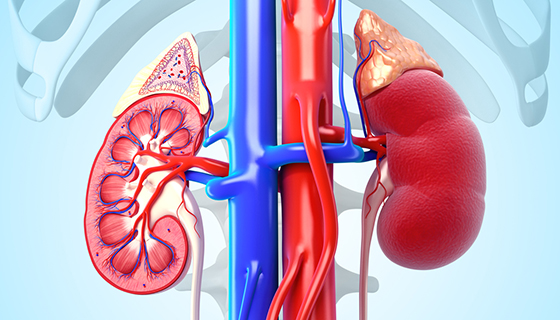
Arginine vasopressin (AVP, also known as an antidiuretic hormone or ADH) is a hormone that plays a crucial role in regulating the body’s water balance, blood pressure and urine production. AVP disorders occur when the body does not make enough AVP or the kidneys do not respond to it, or when the body makes too much.
AVP is made in the part of the brain called the hypothalamus, and it is stored and released by the posterior pituitary gland. AVP controls how much urine the kidneys put out by instructing the kidneys to reabsorb some of the water rather than discard it as urine. Normally, AVP is released into the bloodstream when the body’s sodium concentration is high or the total fluid level is low. This keeps a person from losing too much water (dehydration).
Sometimes, AVP production, release or the ability of the kidneys to use it is impaired, leading to:
- AVP deficiency or resistance: When there is not enough AVP or the kidneys don’t respond to it, this can lead to excessive urination and water loss.
- Too much AVP: If the brain releases too much AVP, this can cause water retention and reduction of blood sodium levels. As low sodium can cause severe symptoms (malaise, nausea, vomiting, seizures and even coma), it is important that elevated AVP is caught and treated promptly.
Diabetes Insipidus (AVP deficiency or resistance) vs. Diabetes Mellitus
Diabetes insipidus is not related to the more common type of diabetes (diabetes mellitus). Diabetes mellitus deals with high blood sugar due to insulin issues, while diabetes insipidus has to do with water regulation issues in the kidneys. To avoid confusion between the two conditions, diabetes insipidus was replaced with two terms that reflect the two subtypes of the condition: arginine vasopressin deficiency and arginine vasopressin resistance.
Types and Causes of Arginine Vasopressin Disorders
There are two types of AVP disorders, depending on where in the body the disfunction happens:
- Arginine vasopressin deficiency (AVP-D): This condition was previously known as central diabetes insipidus. With AVP-D, there is insufficient production of the AVP hormone in the brain, which can be caused by brain injuries, tumors, inflammation or surgery affecting the hypothalamus/pituitary gland or, less frequently, genetic mutations.
- Arginine vasopressin resistance (AVP‑R): This condition was previously known as nephrogenic diabetes insipidus. When someone has AVP-R, the kidneys do not respond to normal levels of AVP. This can be caused by medicines like lithium, rare genetic disorders, kidney disease, or low potassium or high calcium levels in the blood.
- Syndrome of inappropriate ADH secretion (SIADH): In people with this condition, too much AVP is released by the brain, causing the body to retain water. This usually occurs about one week after pituitary surgery, and is why patients are often asked to restrict water intake during the first week after surgery. SIADH can also be caused by tumors or trauma near the pituitary gland, stroke, infections, certain medications and other conditions.
| Feature | AVP-D (Deficiency) | AVP-R (Resistance) | SIADH |
|---|---|---|---|
| Type of dysfunction | AVP is not produced or not released in the brain. | AVP is present, but the kidneys cannot respond to it. | Too much AVP is released. |
| AVP Levels (measured as copeptin) | Low or absent | Normal or elevated | Too high |
| Kidney function | Normal AVP response | Impaired AVP response | Normal AVP response |
| Common causes | Trauma, surgery, tumors, inflammatory disease | Lithium toxicity, genetic receptor defects, kidney disease | Pituitary surgery, tumors or inflammation in the pituitary area, medications (e.g., carbamazepine) |
| Treatment | Hormone replacement | Diet and medications to conserve water, as well as treatments to address underlying causes | Fluid restriction or intravenous fluids |
What are the symptoms of AVP deficiency and resistance?
Common symptoms may include:
- Being very thirsty
- Urinating a lot
- Dehydration
These symptoms may look like other health problems. Seek care to get a diagnosis.
What are the symptoms of SIADH?
- Nausea
- General discomfort
- Vomiting
- Seizures
- Coma
How are AVP disorders diagnosed?
The diagnostic process may include:
- Health history
- Physical exam
- Simultaneous blood and urine tests
- Blood tests to see how the hypothalamus, pituitary gland and kidneys react to dehydration.
- CT scan or MRI of the pituitary gland. This helps see if there is a structural problem in the hypothalamus or pituitary gland.
How are AVP disorders treated?
The treatment approach accounts for the person’s symptoms, age, general health and severity of the condition.
Treatment depends on the type of AVP disorder:
- AVP-D: Treatment consists of replacing AVP with a synthetic hormone (desmopressin). Desmopressin can be given as a pill or as a nasal spray.
- AVP-R: Treatment focuses on removing an underlying cause, if possible, such as treating lithium toxicity. If the underlying cause cannot be removed, the treatment shifts to maintaining hydration and helping the kidneys conserve water, which can be achieved through a combination of:
- Sufficient fluid intake and low-sodium diet
- Medications such as NSAIDs and thiazide diuretics
- SIADH: Mild cases are treated by restricting fluid intake to prevent fluid from building up in the body. In more severe cases, highly concentrated intravenous fluids (salt solution) can be used to increase sodium levels in the blood.
It is important to follow your doctor’s directions about medicines and fluid intake to prevent complications. If your symptoms get worse or you have new symptoms, call your doctor right away.
Medically reviewed by Roberto Salvatori, M.D., April 10, 2026.