Cleidocranial Dysplasia (CCD)
Featured Expert
Updated 5/7/2026
Cleidocranial dysplasia (CCD) is a rare genetic condition that affects teeth and bones, such as the skull, face, spine, collarbones and legs.
Key Points
- Cleidocranial dysplasia is a condition that is present at birth and affects the development of teeth and bones.
- CCD can be passed from a parent to a child, or it can appear at random.
- CCD has no impact on cognitive function or intellect.
- Though some people with cleidocranial dysplasia require multiple surgeries, they can live long, full lives.
Craniofacial orthodontist Ilana Zinn, DMD, MS offers insights on this condition.
What is cleidocranial dysplasia?
Cleidocranial dysplasia is a congenital (present at birth) condition that affects the growth of teeth and bones. It can be passed from a parent to a child, or it can appear at random.
Skull and collarbone abnormalities, along with dental abnormalities, are the main features of CCD. Bones in people with CCD might be formed differently or might be more fragile than normal. Certain bones, such as collarbones, may be absent.
The name comes from “cleido,” which refers to the collarbones, and “cranial,” which refers to the skull.
What are signs and symptoms of cleidocranial dysplasia?
Many different bones in the body can show signs and symptoms of CCD. In mild cases, these might be less obvious and harder to diagnose.
Skull and Face
- Nonclosing or delayed closing of the fontanelles, the soft spots between the skull plates in infants. Normally, the skull plates knit together as the baby matures into childhood.
- A wide, flat or protruding forehead, sometimes with a vertical groove down the center
- A low, wide nasal bridge
- Wide-set eyes
- Small midface
- High-arched hard palate or cleft palate
- Small or absent sinuses, resulting in sinusitis
- Ear problems, including ear infections and sometimes hearing loss
Teeth
- Baby teeth that do not come out on their own
- Impacted adult teeth that may be encased in bone and cannot grow in on their own.
- Supernumerary (extra) teeth
- Crowded teeth
- Malocclusion (teeth do not meet properly when biting), under bite or open bite
- Thin tooth enamel, which can make teeth more prone to caries (cavities)
Other Areas
- Short stature
- Incompletely formed or missing clavicles (collarbones), sloping shoulders
- Short fingers
- Narrow chest
- Deformities in the pelvic bones, which can complicate childbirth
- Scoliosis (curvature of the spine)
- Genu valgum (knock knees)
- Osteopenia (decreased bone density)
- Sleep apnea
What causes cleidocranial dysplasia?
Cleidocranial dysplasia develops when there is a problem with the RUNX2 gene. This gene plays a role in the formation of the cells that create bone in the developing body, and in the development of the cells that produce cartilage.
How is cleidocranial dysplasia diagnosed?
CCD is diagnosed during a clinical examination and on X-rays. Genetic testing for a mutation in the RUNX2 gene can also help diagnose CCD.
What are treatment options for cleidocranial dysplasia?
Treatment of CCD depends on how the condition affects the person. People with CCD may undergo multiple orthopaedic, facial reconstructive and dental procedures to improve their comfort, function and well-being. Recommended treatments might include:
- Facial reconstructive surgery on the bones of the face to reshape the forehead or cheekbones
- Lower leg surgery to correct knock knees (knees that bend inward toward the center of the body)
- Surgical repair of fractures due to fragile bones
- Removal of small collarbone pieces that can affect the brachial plexus and cause arm pain or nerve problems
- Ear tubes to treat ear infections
- A protective helmet while playing sports to protect the open areas of the skull
- Calcium and vitamin D supplements to strengthen bones
Treatment of Dental Problems Caused by Cleidocranial Dysplasia
Orthodontics and oral surgery can address extra or impacted teeth.
- The first step is a careful orthodontic assessment of each tooth.
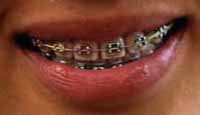
- To maintain viable teeth, practitioners might remove gum tissue and guide growth of those teeth into the mouth with braces.
- Extra teeth are typically removed.
For a faster result, some patients prefer:
- implants
- bridges
- dentures
Sometimes, orthodontic headgear or jaw surgery is necessary to correct the bite.
Medically reviewed by Ilana Zinn, DMD, MS