
Services at ENTAA Care: Audiology
ENTAA Care’s Audiology department consists of multiple Doctors of Audiology who specialize in the diagnosis and treatment of hearing and balance disorders. Our specialists can assist with helping you obtain hearing aids, custom hearing protection, assistive listening devices, and more.
Please note - Hearing Aid related issues cannot be scheduled in MyChartServices We Provide
-
- Types of hearing loss
- Sensorineural hearing loss
- Sensorineural hearing loss is a permanent type of hearing loss due to damage from the outer hair cells in the cochlea. Age-related hearing loss (or presbycusis) is an example of a sensorineural hearing loss.
- Conductive hearing loss
- Conductive hearing loss is cause by an issue in the middle ear system. Otherwise referred to as “mechanical” hearing loss. An example would be hearing loss caused by fluid in the middle ear space (ear infections).
- Signs of hearing loss
- Family members/loved one’s report concerns about your hearing
- Others report TV volume is too loud
- Trouble hearing in background noise
- Asking for repetitions
- Feeling like people are mumbling
- Treatment
- Hearing aids
- Surgical/medical treatment by ENT
- Cochlear implant/BAHA
- Sensorineural hearing loss
- Types of hearing loss
-
- Description of balance and relation to the ear
- Dizziness is a term used to describe many different sensations: balance. Our inner ear is not only responsible for hearing, but balance as well. We use our inner ear, vision, and physical awareness in space to stay upright. With a disconnect in one of the three systems, we can feel off balance/dizzy.
- Vertigo
- If you have a sensation like you are spinning in circles, or the world is spinning around you, this may be a sign of positional vertigo. Otherwise referred to as BPPV, your symptoms will occur when laying down/rolling over in bed and only last for less than 30 seconds.
- BPPV is treated with positional maneuver called the Epley
- Balance testing (VNG)
- When ordered by a physician, an audiologist can complete a full balance evaluation called videonystagmography. This test is about 2 hours long to evaluate the ear’s role in your symptoms. It is likely you will get dizzy for this test, so some people like to have a loved one drive them to the appointment.
- After the test, you will meet with a physician to go over results and next steps to get you feeling better.
- Treatment
- Depending on the cause of your symptoms, you may be referred to physical therapy for vestibular rehab or the Epley maneuver.
- Description of balance and relation to the ear
-
- Hearing test
- Newborn hearing screening
- Electrophysiology (ABR, VEMP, Ecochg)
- Neurodiagnostic ABR
- Auditory brainstem response or otherwise known as brainstem auditory evoked potential
- This is a test that an audiologist can complete to further evaluate the auditory nerves when you have asymmetric hearing loss/tinnitus. This test is ordered by a physician. This test can be completed in either the Columbia or Glen Burnie locations
- This test requires the patient to lay still for about an hour. The audiologist will place electrodes on the forehead and earlobes. These electrodes will follow the neurological response to sound as it travels from the ear to the auditory nerve.
- *We do not test threshold ABRs for the purposes of diagnosing/ruling out hearing loss in newborns.
- VEMP & EcochG
- The VEMP and EcochG tests are optional tests ordered by a physician to further evaluate potential inner ear related balance disorders. These tests are ordered by a physician.
- Neurodiagnostic ABR
- Balance tests
- The videonystagmography (VNG), is a test of the balance system. The ear performs two functions, hearing and maintaining balance. In order to assess the balance function, we monitor eye movements. We are able to record these movements with goggles containing a video camera.
- What to Expect:
The VNG test takes approximately 1 ½- 2 hours and may consist of the following:- A series of screening tests - you will be asked to stand with eyes open and closed in various positions
- Following a visual target on a TV with your eyes
- Laying with your head/body in multiple positions on an exam table
- A stream of air will be inserted into the ear to stimulate the balance system
- DOs and DON’Ts
- Do not wear any makeup, including mascara, eye liner or face lotions. These products will interfere with the recordings.
- Do not drink alcoholic beverages for 48 hours before the test.
- Certain medications can influence the body’s response to the test. Please do not take the flowing medications for 48 hours before the test:
- Anti-vertigo medications: Anti-vert, Meclizine, Scopolamine
- Anti-nausea medication: Atarax, Dramamine, Compazine, Buclizine (Bucladin), Promethazine (Phenergan), Thorazine, Transdermal Scopolamine
- Antihistamines that are NOT non-drowsy: Claritin, Sudafed, Benadryl, Allegra, etc. (non-drowsy versions are okay to continue)
- Vital medications SHOULD NOT be stopped. Continue to take medications for heart, blood pressure, thyroid, anticoagulants, birth control, antidepressants and diabetes. If you are unsure about discontinuing a particular medication, please call your physician to determine if it is medically safe for you to be without them for 48 hours.\
- Eat lightly the day of your appointment. If your appointment is in the morning, you may have a light breakfast such as juice and toast. If your appointment is in the afternoon, eat a light breakfast and have a light snack for lunch.
- Testing may cause a sensation of motion that may linger. If possible, please have someone accompany you to the appointment. If this is not possible, plan to stay in the office an extra 15-30 minutes after the test before leaving the office.
- If you have any questions or are unable to keep your appointment, please call our office at 410-760-8840.
- If you are unable to keep this appointment, you must notify the office 2 business days prior to the testing. In the event that you do not notify the office 2 business days prior to testing, you will not be re-scheduled and cannot have the testing performed in our office. You will need to find another practice to complete the test.
-
- We can help you find the right fit for you depending on your hearing loss and personal preferences. The two common styles include behind the ear and custom in the ear devices
- Difference of prescriptive hearing aid vs OTC
- You may be wondering, “well I just saw a commercial for hearing aids for $200. Why can’t I just use those?” You might be able to! While not required, we recommend starting with an audiological evaluation to further determine the best treatment option for you.
- Over the counter hearing aid criteria: mild to moderate sensorineural hearing loss, ages 18+ only. Risks= potential for exposure to unsafe noise levels, no clinical support, no professional adjustments based on hearing loss, no long term plan of care, unknown life expectancy, warranty period, battery life. Benefits: efficient purchase process
- Prescriptive hearing aid benefits: customized hearing treatment plan based on your communication needs and hearing loss levels, ongoing support from Doctor, multiple style options and professional support for fit issues, 3 yr manufacturer warranty, 45 day trial period, 5-7 yr life expectancy. No risks.
- What to expect when you select treatment plan from ENTAA Care
- 45 day trial period
- 3 yr manufacturer warranty and comprehensive follow up care
- We recommend 6 month/annual checks with annual hearing tests.
- Financing options: www.advancecare.com
-
- When hearing aids are no longer enough, a cochlear implant may be recommended
- If you wear hearing aids, but no matter the programming they are not helping you communicate successfully, a cochlear implant may be an option.
- A cochlear implant is a surgical implant meant to treat severe to profound hearing loss or those with poor clarity/word understanding.
- Call to schedule a hearing test to start the process with a cochlear implant audiologist
- Cochlear implant services are offered at MTA, COL, GB, and ANN locations.
-
- With single sided deafness, or conductive/mixed hearing loss, a bone conduction hearing device may be a good treatment option for your hearing.
- Who is a candidate?
- Single sided deafness
- This is a type of hearing loss that only affects one ear, and the opposite ear has normal hearing.
- Conductive/mixed hearing loss (with Bone conduction thresholds no worse than 55dB HL)
- This is a “mechanical” type of hearing loss affecting the middle ear space that requires a lot of power to overcome the hearing loss. Many times, patients with this type of hearing loss prefer a bone anchored option over a traditional hearing aid as it can reduce the amount distortion cause by the power of amplification.
- Single sided deafness
- Call to schedule hearing test with an audiologist and ENT evaluation with otologist to see if you are a candidate
-
- Conductive/mixed hearing loss
- Middle ear disorders (otosclerosis, cholesteatoma, ear infections)
- Treated by ENT physician
- Conductive/mixed hearing loss
-
- beginningsmd.com
- Beginnings MD is a private, non-profit program of AG Bell of Maryland that provides outreach to parents of children who are deaf or hard of hearing from birth through age 21, and to the professionals who serve them. Many services are free to parents living in Maryland in-part, through a grant from the Maryland State Health Department. Beginnings MD provides consultation, educational advocacy, parent support, workshops, parent-child classes, presentations, and resources regarding hearing loss.
- Early intervention services
- Pediatric/congenital hearing loss info
- Hearing screenings
- 1-3-6 rule
- Initial and re-screening (if referred initial) by 1 month
- Diagnostic testing by 3 months
- Hearing aids and enrollment in early intervention by 6 months
- Bring your baby ready to eat and fall asleep. The quieter they are, the faster it is to complete the screening
- An audiologist will look in your baby’s ears, check the status of the middle ear space (behind the ear drum), and complete the hearing screening.
- If your baby does not pass the screening in our office, we will refer you to another facility to complete the diagnostic testing which will either confirm or rule out hearing loss.
- 1-3-6 rule
- Hearing screenings
- Ear infections
- Due to the physical shape on the ear in early age, children are more prone to ear infections than adults. If you have concerns for chronic ear infections, please call to schedule an evaluation with the ENT physician.
- Pediatric Diagnostic Testing
- Our hearing doctors are well trained in the many ways to test young children. Your child may be tested with an objective hearing screening and behavioral testing depending on their age.
- Pediatric Hearing Loss
- If your child has been diagnosed with hearing loss and hearing aids were a recommended treatment, please make an appointment with one of our pediatric audiologists to learn more about your options. The audiologist will go through insurance benefits, financing options, as well as the best type of hearing aid for your child.
- Our pediatric hearing aid audiologists are located in Annapolis, Glen Burnie, and Columbia.
- beginningsmd.com
-
- Tinnitus is defined as ringing, whooshing, buzzing, or other sounds in your ear(s)/head.
- American Tinnitus Association (ata.org)
- Treatment
- If you also have hearing loss, the first step would be hearing aids. In one study, a significant number of patients with hearing loss + tinnitus noticed a reduction in tinnitus handicap with hearing aids.
- Resource: Hearing aid effectiveness on patients with chronic tinnitus and associated hearing loss - PMC
- THI Resources
- Complete your own THI here: Tinnitus_Handicap_Inventory.pdf (ata.org)
-
- Whether you are looking for hearing protection for concerts, work, firearms use, or plugs to protect your ears while swimming, any of our specialists are able to take impressions of your ears and facilitate the order of the protection you are searching for. Please call the office today to schedule an earmold impression appointment.
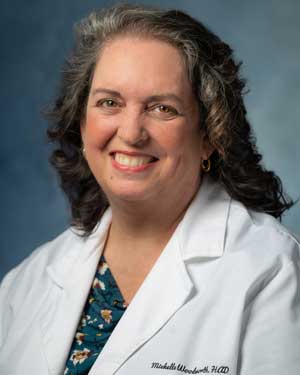
Our Team



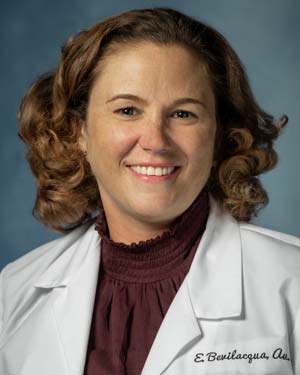
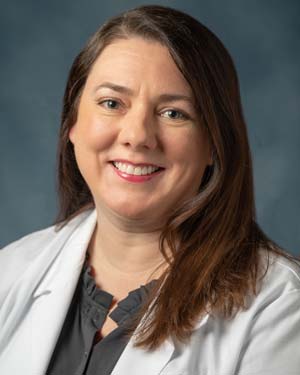


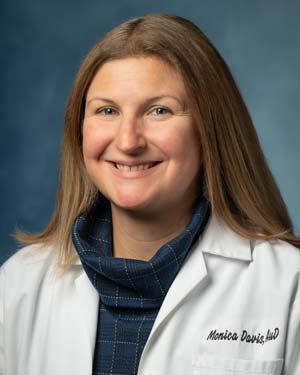

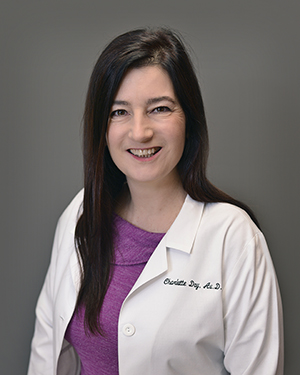

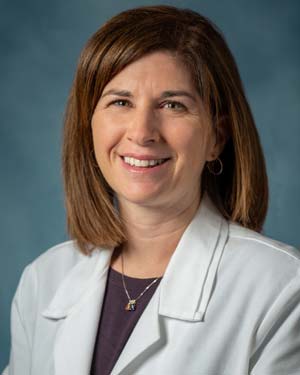


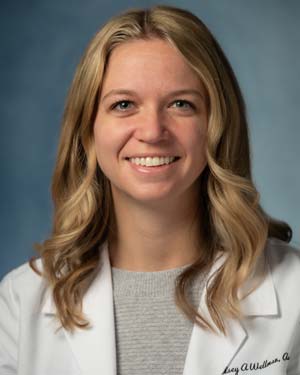
Kelsey A. Wellman, Au.D., CCC-A
Audiology Manager
Request an Appointment
Schedule online through MyChart
Some services may not be available for online scheduling
Log into MyChart | Sign up for MyChart

Schedule an appointment by phone
Phone: 410-760-8840
Fax number: 410-367-2464

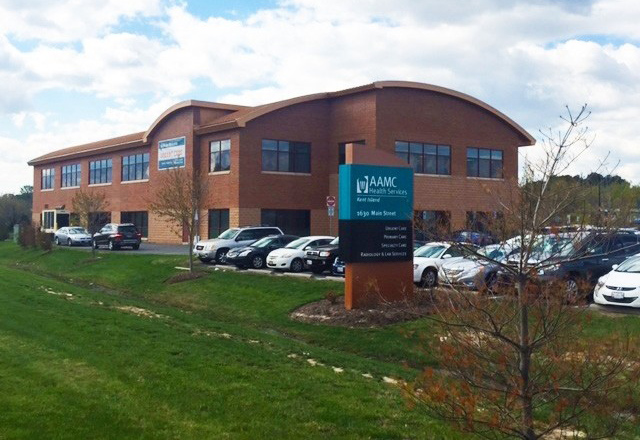
Audiology Locations
-

-

-
-

-

-
ENTAA Care – Columbia
10285 Little Patuxent Pkwy
South Lake Medical Office Building, Ste 200
Columbia, MD 21044

-

Patient Resources
The following forms and other information can be helpful in preparing for your appointment or recovering from a procedure. Feel free to download relevant forms. Our friendly staff is happy to answer any questions you may have before your visit.