Breathlessness
What is breathlessness?
People who experience breathlessness, or shortness of breath, describe it in different ways. Some people say that they feel like they can't take a deep breath in or get enough air. Other people might feel like their chest is tight or that they have to work harder than usual to breathe. The medical word for shortness of breath is dyspnea.
Evidence suggests that how breathless you feel doesn’t always match up that well with the results of lung function tests and scans. This is because it’s not just lung function that affects how out of breath you feel. Breathlessness is also affected by the way you breathe, your lifestyle and how you think and feel about your breathing.
What causes breathlessness?
Shortness of breath may start suddenly or it may happen over weeks or months.
Sudden shortness of breath may be caused by:
- Lung problems, such as asthma, infections, or blood clots. These conditions might cause other symptoms, too. For example, a lung infection usually causes a fever and cough.
- Heart problems, such as a heart attack or heart failure. A heart attack can also cause chest pain or pressure. Heart failure is when the heart does not pump as well as it should.
- Severe allergic reaction, called "anaphylaxis"
- Pregnancy
- Coronavirus 2019. This is an infection caused by a virus called SARS-CoV-2.
For shortness of breath that happens over weeks to months, the most common causes are:
- Lung problems, such as asthma or chronic obstructive pulmonary disease (COPD). Both of these conditions can make it hard to breathe. COPD usually happens in people who have smoked for at least several years.
- Heart problems, such as heart failure or a change in the size and shape of the heart (called cardiomyopathy).
- Being overweight or out of shape.
- Anxiety or panic disorders.
What are the risk factors for breathlessness?
Risk factors for breathlessness can be grouped into two categories:
Controllable risk factors
- Tobacco and secondhand smoke
- Radon
- Asbestos
- Toxic workplace chemicals
Non-controllable risk factors
- Genetics
- Air pollution
- Radiation therapy
How is breathlessness treated?
There are a number of lifestyle and medical ways to treat breathlessness.
- Quit smoking and avoid being around smoke.
- Avoid things that might cause breathing problems, such as fumes, pollution, pollens or dust.
- Be sure to take all of your medicines as instructed.
- Pace yourself. If you are rushing around doing chores or activities, you need to slow down.
- Find out if your body weight is right for you. If you are overweight, your belly could be pushing up on your lungs. If you are underweight, you may be losing muscle. A registered dietician can help by making food suggestions that are best for you.
- Try not to hold your breath. Breath holding can become a habit when you are lifting or reaching for something, or even when you are getting out of a chair. Inhale, then exhale (breathe out) when you are doing the hardest part of an activity like pushing open a door or bending over.
- Avoid tight clothing.
- Use a fan. You may find that a fan blowing on your face will ease your shortness of breath.
- Tell your doctor if you are struggling with anxiety. Sometimes, shortness of breath can happen in people with anxiety or panic disorder. There are treatments that can help with these conditions.
What breathing techniques can help with breathlessness?
There are several breathing techniques that can help with breathlessness. Try all of them and see which is most effective for you.
Breathing Control
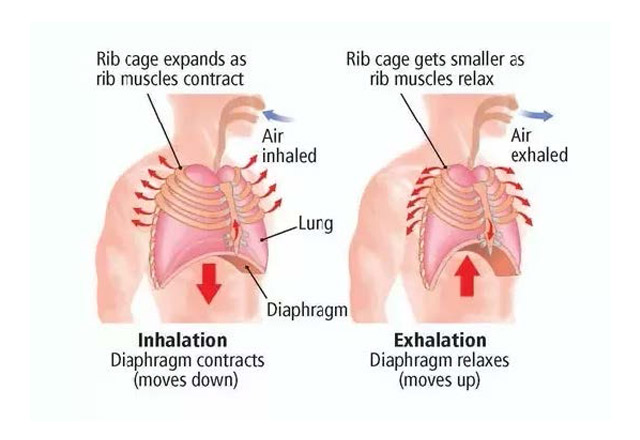
Breathing control is about the best use of your main breathing muscle - your diaphragm. The focus is on reducing tension and using your shoulder and neck muscles to get into the best position for you to breathe easily. Your diaphragm contracts when you breathe. This pulls the lungs down, stretching and expanding them. It relaxes back – into a dome position – when you breathe out, reducing the amount of air in your lungs.
Belly Breathing (Diaphragmatic Breathing)

Diaphragmatic breathing helps strengthen the diaphragm, decreases the work of breathing by slowing your breathing rate, and decreases oxygen demand.
- Sit or lie in a comfortable place.
- Place one hand on your chest and one hand on your abdomen. The bottom hand should do the moving. The top hand should remain still.
- Inhale through your nose for about 4 seconds, feeling your abdomen expand.
- Hold your breath for 2 seconds.
- Exhale very slowly and steadily through your mouth for about 6 seconds.
Pursed Lip Breathing

Pursed lip breathing slows your breathing pace, making each breath more effective. It also helps you get more oxygen into your lungs.
- Inhale slowly through your nose for two seconds with your mouth closed. You don’t need to take a deep breath; a normal breath is OK.
- Purse (pucker) your lips as though you’re going to whistle.
- Exhale slowly and gently through your pursed lips for four or more seconds. It may be helpful to count to yourself.
Blow As You Go Breathing

Blow as you go breathing (aka coordinated breathing) helps make tasks and activities easier. Use it while you’re doing something that makes you breathless. You can use it with pursed-lips breathing.
- Breathe in before you make the effort.
- Then breathe out while you’re making the effort. For example, when standing up, breathe in before you step or stand up, and then blow out as you stand up.
What body positions are best to help recover from breathlessness?
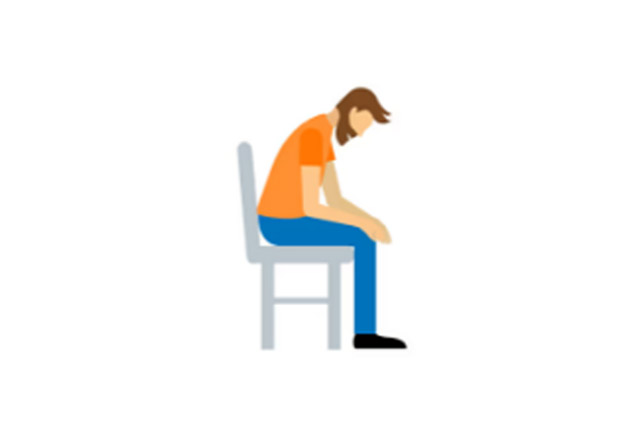
Sit Leaning Forward
White in a seated position, lean by resting your elbows on top of your knees.
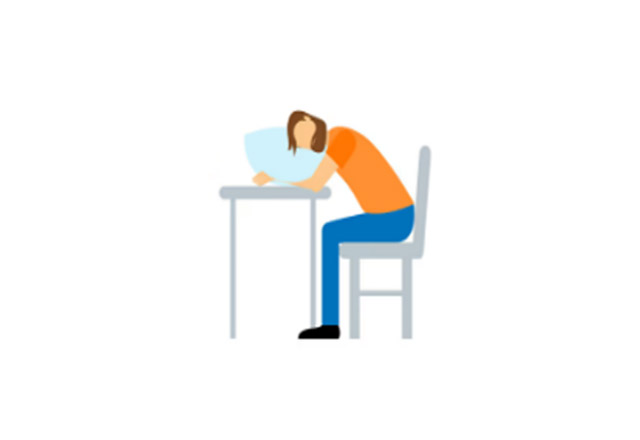
Sit Leaning Forward with Table
You can also rest your head and arms on pillows on a table when you’re really short of breath.
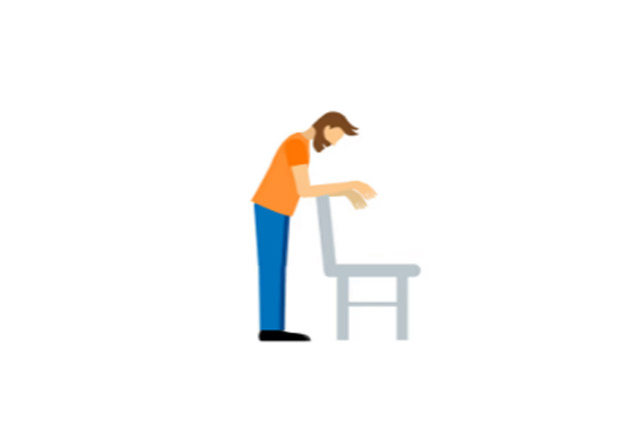
Stand Leaning Forward
Lean from the hips, with your forearms resting on something at the right height, such as a chair or kitchen work surface.
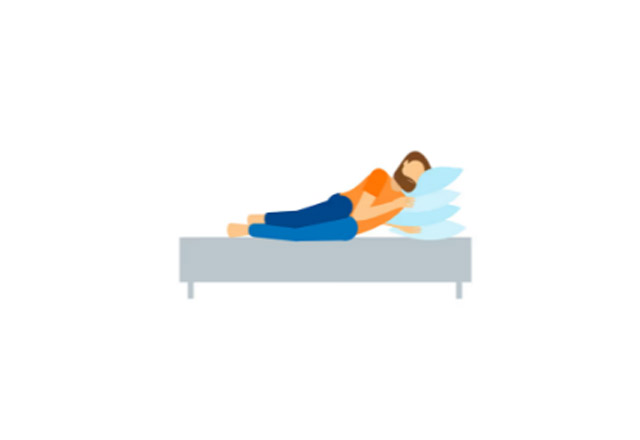
High Side Lying
Lie on your side with pillows under your head and shoulders. Make sure your top pillow supports your neck. Slightly bend your knees, hips and top leg.

Stand Leaning Backwards or Sideways Against a Wall
Have your feet slightly apart. Relax your hands down by your sides. If you prefer, rest your hands or thumbs in your waistband or belt loops, or across the shoulder strap of your handbag.
What are some tips for living well with breathlessness?
- Plan your day in advance and pace yourself to make sure you have plenty of opportunities to rest.
- Break down your activities into smaller tasks that are more manageable.
- Find simple ways to cook, clean and do other chores. You could use a small table or cart with wheels to move things around your home, and a pole or tongs with long handles to reach things.
- Use a toweling robe after showering or bathing, as you’ll use less energy than drying off with a towel.
- Put items that you use frequently in easy-to-reach places.
- Keep your clothes loose, and wear clothes and shoes that are easy to put on and take off.
- Use a wheeled walking frame with a seat to help you be more active.
- Don’t be afraid to ask for support when you need it.
- Be patient with yourself and give yourself time to do things. Try to recognize the things you are achieving.
Medically Reviewed by: Anna Gersten, M.D., May 25, 2026