
The Congregational Depression Awareness Program (CDAP) trains volunteers from faith communities to share valuable information about depression in their congregations and communities. The goals of the program are to increase awareness of depression, decrease the stigma associated with depression and mental illness, increase awareness of treatments for depression and assist with identifying and accessing resources.
What is Depression?
Clinical depression (also referred to as major depression or major depressive disorder) is a serious condition that affects millions of Americans every year.
More about depression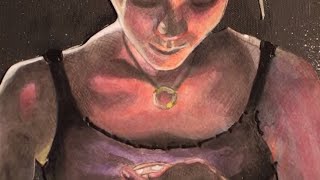
Learn More About CDAP
-
Participants in this program receive instruction, resources and ongoing support on the following topics:
- Recognizing the signs and symptoms of depression
- Strategies to overcome the stigma associated with depression and other mental illnesses
- Medical and psychological treatments
- Assisting people who need help identifying and accessing mental health services
- Providing informal (nonprofessional) support that can complement professional care
- Providing guidance and support for people who have a loved one who has depression
- Recognizing and responding to suicide warning signs
- Local and national resources (e.g., the National Alliance on Mental Illness, Mental Health America, the Depression and Bipolar Support Alliance, the 988 Suicide and Crisis Lifeline and the American Foundation for Suicide Prevention)
The two key points for participants to take away from this program are:
- Depression should be viewed as a medical condition, just like hypertension or diabetes, and there is no reason to be embarrassed or ashamed about having depression, and
- There are effective treatments for depression.
-
- Complete an application explaining their interest and the strengths they would bring to the program (e.g., experience leading or coordinating other congregational ministries or activities).
- Receive the endorsement and a pledge of support for the program from their congregational leader
- Commit to participating in 10 hours of training (usually delivered virtually)
- Commit to coordinating two congregation-wide educational programs on depression (e.g., sharing informational materials at worship services or other congregational gatherings). These could be tied to national observances such as Mental Health Awareness Month (May) and Depression Awareness Month (October).
Participants receive printed materials and access to a library of instructional videos they can use in their congregational programs. They also receive a certificate of completion from Johns Hopkins, and their congregations receive a $250 grant to help cover the expenses of the programs they offer. Each congregation is eligible for two grants per year.
-
There are special qualities that people interested in participating in the Congregational Depression Awareness Program need to bring to their work.
First is a genuine desire to help others. If you find it rewarding to reach out to those facing difficult circumstances, to learn about the challenges they face and to help them as they strive to meet those challenges, then chances are that being a volunteer in the program will be very gratifying for you.
Although most of your work will involve arranging educational offerings and sharing resources, it is also important to be a good listener and to be willing to talk about difficult issues. Some of what you hear and what you need to discuss could be unpleasant (e.g., traumatic childhood experiences, painful personal losses, serious relationship problems).
The ability to earn confidence and trust also is critical. Although we can provide you with the knowledge, skills and materials you need, your effectiveness will be greatly limited if you do not have the complete confidence and trust of the people you are assisting. You may be entrusted with sensitive information that must be treated with absolute confidentiality, and it is important that you understand and accept this responsibility.
Another characteristic of an effective volunteer is an eagerness to learn. As you participate in this program, you will meet with health care professionals and learn about different approaches to the treatment of depression and other mental health conditions. You also may talk with individuals and families as they cope with depression, and discuss the challenges they face and the strengths and resources they bring to these challenges. The more eager you are to learn about these matters, the more effective you will be.
I tell people that it’s OK to get the help you need. Putting together the medical and spiritual has helped me to live a better life. I help people to see that mental illness is an illness that can happen to anyone.
Pamula Yerby-Hammack, executive pastor at the City of Abraham Church and Ministries in Baltimore and a CDAP trainer
Team and Contact Information
W. Daniel Hale, Ph.D.
Denis Antoine, M.D.
This program is supported by the John and Polly Sparks Foundation and the O’Neill Foundation of Community Health.