Research Lab Results
-
Gail Berkenblit Lab
The Gail Berkenblit Lab focuses on HIV testing. We are particularly interested in the training of residents as it relates to HIV outpatient care, and the development and assessment of online curriculum.
-
Gregory Diette Laboratory
The Gregory Diette Laboratory studies the epidemiology of lung diseases. Our focus is on asthma, chronic obstructive pulmonary disease (COPD) and environmental causes of lung disease, including allergens and particulate matter.
-
Craig Pollack Lab
Research in the Craig Pollack Lab focuses on cancer prevention and control, particularly prostate cancer. Our work aims to understand how the organization environment of health care affects the type and quality of care that patients receive. Other work investigates the broader social context of health and health care— specifically housing, financial hardship and socioeconomic status.
-
C. John Sperati Lab
Dr. Sperati’s group focuses on complement mediated kidney disorders, glomerular disease, and renal arterial disease secondary to fibromuscular dysplasia. His team has a particular interest in thrombotic microangiopathies involving the complement system.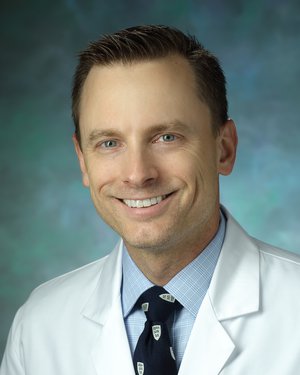
-
Brendan Cormack Laboratory
The Brendan Cormack Laboratory studies fungal pathogenesis, particularly the host-pathogen interaction for the yeast pathogen Candida glabrata. We are trying to identify virulence genes (genes that evolved in response to the host environment) by screening transposon mutants of C. glabrata for mutants that are specifically altered in adherence to epithelial cells, in survival in the presence of macrophages and PMNs. We also screen mutants directly in mice for those unable to colonize or persist in the normal target organs (liver, kidney and spleen). We also focus research on a family of genes--the EPA genes--that allow the organism to bind to host cells. Our research shows that a subset of them are able to mediate adherence to host epithelial cells. We are trying to understand the contribution of this family to virulence in C. glabrata by figuring out what the ligand specificity is of different family members, how genes are normally regulated during infection, and what mechanisms normally act to keep the genes transcriptionally silent and how that silence is regulated.
-
Deborah Schwengel Lab
Research in the Deborah Schwengel Lab focuses on perioperative care of pediatric patients with obstructive sleep apnea as well as anesthetic care for patients undergoing ethanol embolization of vascular malformations. Our team also explores topics within graduate medical education. In this field, our work has involved evaluating both an educational curriculum and a disaster preparedness curriculum for anesthesiology residents. We also have a long-standing interest in international adoption medicine.
Principal Investigator
Department
-
Bakker Memory Lab
Research in the Bakker Memory Laboratory is focused on understanding the mechanisms and brain networks underlying human cognition with a specific focus on the mechanisms underlying learning and memory and the changes in memory that occur with aging and disease. We use a variety of techniques including neuropsychological assessments, experimental behavioral assessments and particularly advanced neuroimaging methods to study these questions in young and older adults and patients with mild cognitive impairment, Alzheimer’s disease, Parkinson’s disease and epilepsy. Through our collaborations with investigators in both basic science and clinical departments, including the departments of Psychiatry and Behavioral Sciences, Psychological and Brain Sciences, Neurology and Public Health, our research also focuses on brain systems involved in spatial navigation and decision-making as well as cognitive impairment in neuropsychiatric conditions such as schizophrenia, eating disorders, obsessive-compulsive disorders, depression and anxiety. -
Drew Pardoll Lab
The Pardoll Lab focuses on the regulation of antigen-specific T cell responses and studies approaches to modify these responses for immunotherapy. Pardoll has a particular interest in cancer immunology and his lab’s studies on basic immunologic mechanisms have led to the development and design of a number of cancer vaccines and discovery of key checkpoint ligands and receptors, such as PD-L2, LAG-3 and neuritin, many of which are being targeted clinically. Our primary pursuits are discovering and elucidating new molecules that regulate immune responses, investigating the biology of regulatory T cells, and better understanding the specific biochemical signatures that allow a patient’s T cells to selectively target cancer cells.
-
Benjamin Bodnar Lab
Research in the Benjamin Bodnar Lab focuses on global health, particularly the application of quality-improvement techniques in resource-limited and developing health care environments. Lab work utilizes insights gained through Dr. Bodnar's past work with projects including Partners in Health, The Millennium Villages Project and the Mulago University-Yale University Collaboration in Uganda.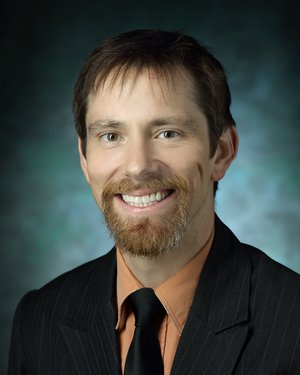
-
Danelle O. Cayea Lab
Researchers in the Danelle O. Cayea Lab develop and evaluate curriculum that teaches the care of older adults to residents and medical students. Our work includes older adults with complex heath issues who receive care in hospital and ambulatory environments.