Research Lab Results
-
Rita Kalyani Lab
Research in the Rita Kalyani Lab examines the decreased physical functioning observed in patients with diabetes as they age. Through several ongoing epidemiological cohorts, we are investigating the association of high blood glucose and high insulin levels with accelerated muscle loss, and possible contributions to the physical disability observed in diabetes. We are currently involved in clinical studies that aim to understand the underlying mechanisms for these associations and to facilitate the development of novel strategies to prevent muscle loss and disability in people with diabetes.
-
Robert Anders Lab
Dr. Anders’ laboratory focuses on the basic processes that lead to cancer. His team approaches these questions through the use of both experimental models and examination of human tissues. His team is specifically interested in interrogating the immune microenvironment of cancer, detecting circulating cancer cells and preventing cancer metastasis. -
Robert Bollinger Lab
The key research interests in the Robert Bollinger Lab include identifying biological and behavioral risk factors for HIV transmission as well as characterizing the clinical progression and treatment of HIV and related infectious diseases. We also have a long-standing interest in optimizing health care capacity and delivery in settings with limited resources. Our work includes implementing science research projects to explore the effectiveness of initiatives such as task-shifting, clinical education, distance learning and mobile health programs as a way to improve health care in these locations.
-
Robert Brodsky Lab
Investigators in the Robert Brodsky Lab study normal and abnormal hematopoiesis, particularly mutations of the phosphatidylinositol glycan anchor biosynthesis class A (PIG-A) gene in aplastic anemia. Our team has developed a new diagnostic assay for paroxysmal nocturnal hemoglobinuria (PNH) that is based on the toxin Aaeromonas hydrophila.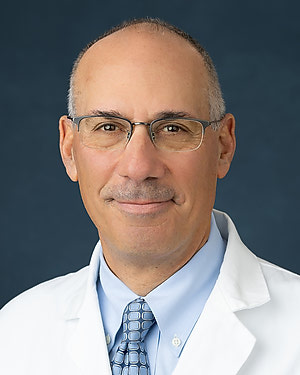
-
Robert Bulat Lab
The Robert Bulat Lab performs clinical research on gastroparesis and other motility disorders.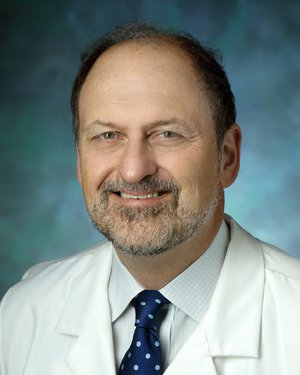
-
Robert Gilman Lab
Research in the Robert Gilman Lab focuses on disease control. Our work led to the development of microscopic-observation drug-susceptibility (MODS), a rapid tuberculosis diagnostic technique. We continue to conduct infectious disease research based at Peru’s Universidad Peruana Cayetano Heredia.
-
Robert Greenberg Lab
Researchers in the Robert Greenberg Lab examine anesthesiology and critical care-related topics that include critical airway management, non-invasive fetal monitoring, neural blockade monitoring, pediatric acute pain management, cuffed oropharyngeal airway (COPA), pain informatics, and pediatric pain education and innovation.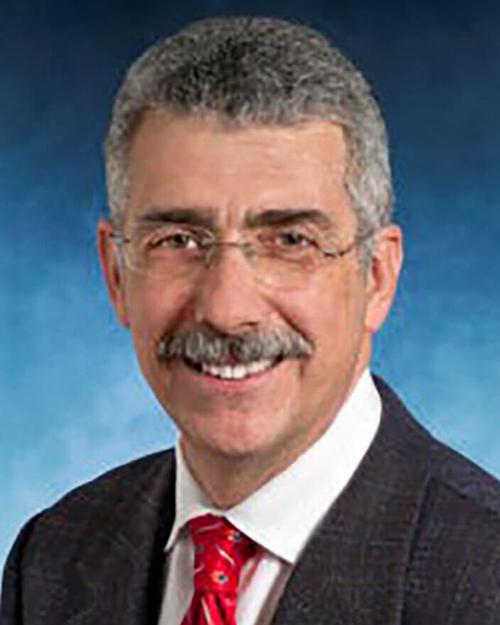
-
Robert H. Brown Lab
Work in the Robert H. Brown Lab explores several topics within pulmonary physiology, with a long-term goal of understanding the structural changes in the lungs that lead to the pathophysiology of lung disease. Our core studies examine the structure-function relationship of pulmonary airways and vessels as well as their role in chronic obstructive pulmonary disease (COPD) and reactive airway disease. Recent research has involved studying the mechanisms and treatment of COPD progression, new methods for treating asthma, and lung inflation and airway hyperresponsiveness. We are also exploring the impact of HIV infection on the etiology of lung disease and the pathophysiologic consequences of lung distention. -
Robert Lawrence Lab
Research in the Robert Lawrence Lab examines how industrial agriculture, food security and human rights affect the environment. -
Robert Siliciano Laboratory
Research in the Robert Siliciano Laboratory focuses on HIV and antiretroviral therapy (ART). ART consists of combinations of three drugs that inhibit specific steps in the virus life cycle. Though linked to reduced morbidity and mortality rates, ART is not curative. Through our research related to latently infected cells, we've shown that eradicating HIV-1 infection with ART alone is impossible due to the latent reservoir for HIV-1 in resting CD4+ T cells. Our laboratory characterized the different forms of HIV-1 that persist in patients on ART. Currently, we are searching for and evaluating drugs that target the latent reservoir. We are also developing assays that can be used to monitor the elimination of this reservoir. We are also interested in the basic pharmacodynamic principles that explain how antiretroviral drugs work. We have recently discovered why certain classes of antiretroviral drugs are so effective at inhibiting viral replication. We are using this discovery along with experimental and computational approaches to develop improved therapies for HIV-1 infection and to understand and prevent drug resistance. Finally, we are studying the immunology of HIV-1 infection, and in particular, the ability of some patients to control the infection without ART.