Research Lab Results
-
Anne Rompalo Lab
Research in the Anne Rompalo Lab focuses on STD research and application. We recently examined the relationship between violence against women and HIV-related risk factors in women living in the United States. Past projects include a nine-year longitudinal observation study of HIV-infected women in Baltimore. -
Antiochos Lab
Brendan Antiochos is a physician scientist in the Division of Rheumatology. His main interest is the role of the innate immune system in the pathogenesis of rheumatic diseases. Current work focuses on the identification of specific endogenous nucleic acids that drive pathogenic innate immune responses in these conditions. More information about his group and work can be found at his lab website.
-
Antoine Azar Lab
The Antoine Azar Lab conducts research on topics related to primary immunodeficiency diseases, allergies and lung disease. Specifically, we explore the role of primary immunodeficiency in certain difficult-to-treat chronic lung diseases, such as COPD, emphysema and asthma.
-
Antony Rosen Lab
Research in the Antony Rosen Lab investigates the mechanisms shared by the autoimmune rheumatic diseases such as lupus, myositis, rheumatoid arthritis, scleroderma and SjogrenÕs syndrome. We focus on the fate of autoantigens in target cells during various circumstances, such as viral infection, relevant immune effector pathways and exposure to ultraviolet radiation. Our recent research has sought to define the traits of autoantibodies that enable them to induce cellular or molecular dysfunction. We also work to better understand the mechanisms that form the striking connections between autoimmunity and cancer.
-
Ari Cedars Laboratory
Ari Cedars, M.D., and his team have three primary research goals. First, the Cedars Lab is interested in patient-centered outcomes in congenital heart disease, which they investigate using a digital tracking system to record participants’ symptoms and quality of life. Second, the Cedars Lab investigates outcomes with mechanical circulatory support and transplant in congenital heart disease, with a focus on those with end-stage heart disease and a Fontan circulation. Third, the Cedars Lab is interested in the biological mechanisms underlying circulatory deterioration and end-organ dysfunction in patients with a Fontan circulation.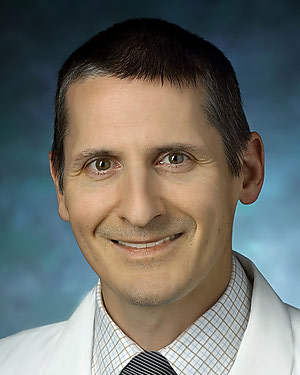
-
Ariel Green Lab
Research in the Ariel Green Lab focuses on informing and improving decisions surrounding the use of invasive medical technologies for older adults with complex medical diseases. Our long-term goals are to conduct epidemiologic research, create public health initiatives, and help shape policies that improve the lives of older adults.
-
Arturo Casadevall Lab
The Arturo Casadevall Lab uses a multidisciplinary approach to explore two key topics within microbiology and immunology: how microbes cause disease and how hosts can protect themselves against those microbes. Much of our research focuses on the fungus Cryptococcus neoformans, which frequently causes lung infections in people with impaired immunity. We also work with the microorganism Bacillus anthracis, a bacterium that causes anthrax and is frequently used in biological warfare. Our goal is to devise antibody-based countermeasures to protect against this and other similar threats.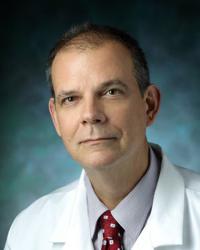
-
Asad Latif Lab
Research in the Asad Latif Lab focuses on patient safety and quality improvement. Our key interests include preventing hospital-acquired infections and improving health systems, the evaluation and prevention of healthcare errors and the utility of telemedicine in intensive care units. One recent study focused on reducing medication errors (the single most common type of error in healthcare) related to drug formulation in the intensive care unit. -
Ashish Nimgoankar Lab
The Ashish Nimgoankar Lab is interested in translational technology development and image-guided therapies. Dr. Nimgoankar and his collaborative team of biomedical engineers specializes in developing innovative ideas and translating these into commercial products.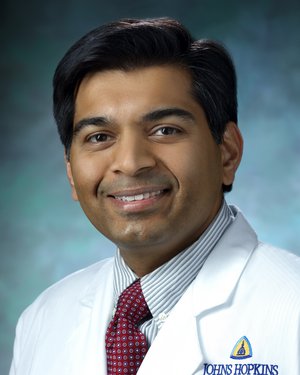
-
Athir Morad Lab
Research in the Athir Morad Lab primarily focuses on perioperative pain management for neurosurgery patients. Our team has conducted two randomized controlled trials to assess the efficacy of patient-controlled analgesia (PCA) following craniotomy. Our current research includes studies on the safety of opioid administration following craniotomy through the use of end-tidal CO2 detection, as well as research into the use of transcortical magnetic stimulation (TMS) for managing pain after spine surgery.