
Research Lab Results
-
Neuro-Oncology Surgical Outcomes Laboratory
Directed by Debraj “Raj” Mukherjee, MD, MPH, the laboratory focuses on improving access to care, reducing disparities, maximizing surgical outcomes, and optimizing quality of life for patients with brain and skull base tumors.
The laboratory achieves these aims by creating and analyzing institutional and national databases, developing and validating novel patient-centered quality of life instruments, leveraging machine learning and artificial intelligence platforms to risk-stratify vulnerable patient populations, and designing novel surgical trials to push the boundaries of neurosurgical innovation.
Our research also investigates novel approaches to improve neurosurgical medical education including studying the utility of video-based surgical coaching and the design of new operative instrumentation.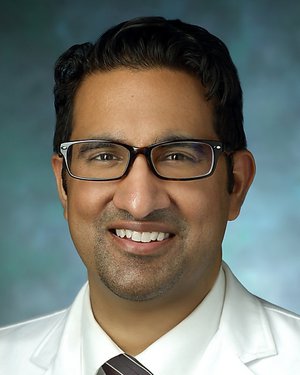
-
NeuroTech & NeuroAI Engineering Laboratory
Our laboratory pioneers innovations at the intersection of precision neurology, neuroengineering, artificial intelligence, and data science. We develop advanced neural-AI interfaces, autonomous wearable neurotechnologies, and immersive augmented and virtual reality platforms incorporating novel multimodal neuron-sensing technologies designed to personalize diagnostics, enhance therapeutic interventions, and optimize neurological rehabilitation. Leveraging computational neuroscience, AI, and applied data science, we generate robust digital biomarkers to monitor and treat neurologic diseases in real-time. Through interdisciplinary collaborations, we aim to transform clinical practice by providing precise, interactive, and personalized neurologic care that dramatically improves patient outcomes. -
Neuro-Urology Laboratory
The Neuro-Urology Laboratory is improving and preserving erectile and voiding function for those with pelvic disorders. -
Neuro-Vestibular and Ocular Motor Laboratory
In our laboratory we study the brain mechanisms of eye movements and spatial orientation. -How magnetic stimulation through transcranial devices affects cortical brain regions -Neural mechanisms underlying balance, spatial orientation and eye movement -Mathematical models that describe the function of ocular motor systems and perception of spatial orientation -Short- and long-term adaptive processes underlying compensation for disease and functional recovery in patients with ocular motor, vestibular and perceptual dysfunction Developing and testing novel diagnostic tools, treatments, and rehabilitative strategies for patients with ocular motor, vestibular and spatial dysfunction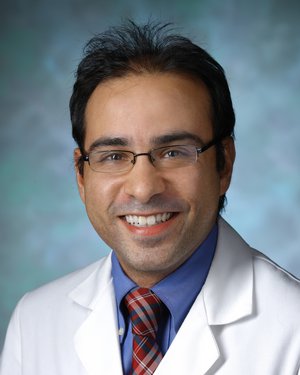
-
Nicholas Dalesio Lab
Research in the Nicholas Dalesio Lab is currently examining pre-surgical predictors of post-surgical respiratory complications in children with obstructive sleep apnea and sleep-disordered breathing; the impact of anesthesia and pharmacological agents on upper airway physiology; and techniques for pediatric airway imaging.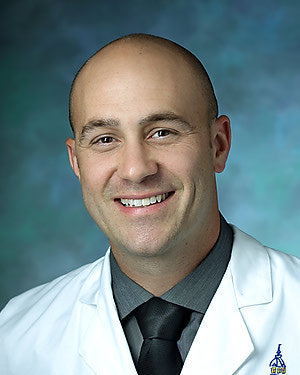
-
Nicholas Flavahan Lab
The Nicholas Flavahan Lab primarily researches the cellular interactions and subcellular signaling pathways that control normal vascular function and regulate the initiation of vascular disease. We use biochemical and molecular analyses of cellular mediators and cell signaling mechanisms in cultured vascular cells, while also conducting physiological assessments and fluorescent microscopic imaging of signaling systems in isolated blood vessels. A major component of our research involves aterioles, tiny blood vessles that are responsible for controlling the peripheral resistance of the cardiovascular system, which help determine organ blood flow. -
Nicholas Rowan Lab
Dr. Rowan is actively involved in both outcomes and translational research relating to chronic rhinosinusitis and endoscopic skull base surgery. He has a keen interest patient-reported quality of life outcomes as well as those that pertain to smell and taste. Dr. Rowan is also involved in sinus-related clinical trials, pursuing new medical therapies and technological advancements for the treatment of patients with chronic rhinosinusitis.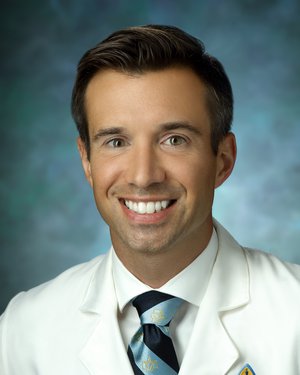
-
Nicola Heller Lab
Research in the Nicola Heller Lab focuses on the immunobiology of macrophages. Our team explores how these cells impact diseases with an inflammatory element, such as cancer, cardiovascular disease and obesity. Using a variety of techniques, including molecular and cellular biology, biochemistry, mouse models and more, we study the role of IL-4/IL-13 signaling in asthma and allergic disease, as well as the role of alternatively activated macrophages (AAM) in the pathogenesis of allergic inflammation. Currently, we are researching the links between asthma and obesity, with a focus on the roles of gender and race. -
Nicole Shilkofski Lab
Work in the Nicole Shilkofski Lab aims to improve patient safety in critical care settings, with a focus on resuscitation scenarios. Our research is conducted as part of the research group of the Johns Hopkins Medical Simulation Center. We investigate the communication and functionality of teams during medical crisis situations. As part of those efforts, we are designing a web-based curriculum to teach pediatric resuscitation through mannequin simulation and computer-based simulation techniques. -
Nisa Maruthur Lab
The Nisa Maruthur Lab studies primary care; individualized medicine for the prevention and treatment of type 2 diabetes and obesity; pharmacogenomics of type 2 diabetes; and comparative effectiveness.


