Research Lab Results
-
Samuel R. Denmeade Laboratory
The main research goals of my laboratory are: (1) to identify and study the biology of novel cancer selective targets whose enzymatic function can be exploited for therapeutic and diagnostic purposes; (2) to develop methods to target novel agents for activiation by these cancer selective targets while avoiding or minimizing systemic toxicity; (3) to develop novel agents for imaging cancer sites at earliest stages. To accomplish these objectives the lab has originally focused on the development of prodrugs or protoxins that are inactive when given systemically via the blood and only become activated by tumor or tissue specific proteases present within sites of tumor. Using this approach, we are developing therapies targeted for activation by the serine proteases prostate-specific antigen (PSA), human glandular kallikrein 2 (hK2) and fibroblast activation protein (FAP) as well as the membrane carboxypeptidase prostate-specific membrane antigen (PSMA). One such approach developed in the lab consists of a potent bacterial protoxin that we have reengineered to be selectively activated by PSA within the Prostate. This PSA-activated toxin is currently being tested clinically as treatment for men with recurrent prostate cancer following radiation therapy. In a related approach, a novel peptide-cytotoxin prodrug candidate that is activated by PSMA has been identified and is this prodrug candidate is now entering early phase clinical development. In addition, we have also identified a series of potent inhibitors of PSA that are now under study as drug targeting and imaging agents to be used in the treatment and detection of prostate cancer.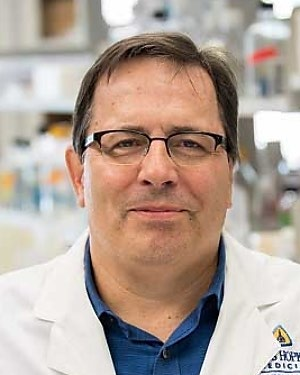
-
Sean Berenholtz Lab
Work in the Sean Berenholtz Lab focuses on patient safety, ICU care, quality health care and evidence-based medicine. Two notable and successful projects include the National On The Cusp: Stop BSI project, which was implemented in 47 states with the goal of eliminating bloodstream infections, and the Agency for Healthcare Research and Quality (AHRQ)-funded Keystone ICU project, which improved communication and teamwork and reduced hospital-acquired infections in more than 100 ICUs in Michigan. One recent study focused on ventilator-associated pneumonia (VAP), one of the most common type of health care-associated infections in the ICU. Existing VAP prevention intervention bundles vary widely on the interventions, but our research team described a structured approach for developing a new VAP prevention bundle. -
Sean T. Prigge Lab
Current research in the Sean T. Prigge Lab explores the biochemical pathways found in the apicoplast, an essential organelle found in malaria parasites, using a combination of cell biology and genetic, biophysical and biochemical techniques. We are particularly focused on the pathways used for the biosynthesis and modification of fatty acids and associated enzyme cofactors, including pantothenate, lipoic acid, biotin and iron-sulfur clusters. We want to better understand how the cofactors are acquired and used, and whether they are essential for the growth of blood-stage malaria parasites.
-
Sean Agbor-Enoh Lab
Research in the Sean Agbor-Enoh Lab explores topics within the field of pulmonary medicine. Our team also participates in clinical trials that explore new techniques for diagnosing rejection following an organ transplant. One current study is seeking to develop a new blood test that may be used instead of biopsies to diagnose rejection after transplant.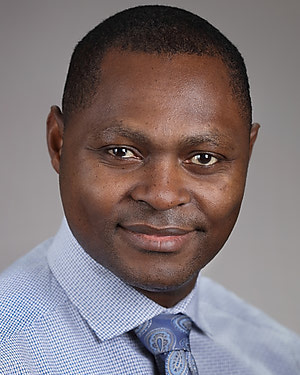
-
Sarbjit Saini Lab
The research in the Sarbjit Saini Laboratory focuses on IgE receptor biology and IgE receptor-mediated activation of blood basophils and mast cells. We have examined the role of IgE receptor expression and activation in allergic airways disease, anaphylaxis and chronic urticaria. Our research has been supported by the NIH, American Lung Association and the AAAAI. Our current research interests have focused mechanisms of diease in allergic asthma, allergic rhinitis and also translational studies in chronic idiopathic urticaria.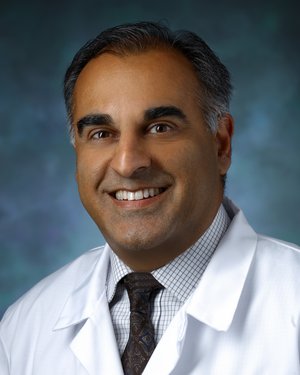
-
Raymond Koehler Lab
Research in the Raymond Koehler Lab explores cerebrovascular physiology and cerebral ischemic injury caused by stroke and cardiac arrest, using protein analysis, immunohistochemistry and histology. We also study ischemic preconditioning, neonatal hypoxic-ischemic encephalopathy and the mechanisms of abnormal cerebrovascular reactivity after ischemia. We 're examining ways to improve tissue oxygenation and seek to better understand the mechanisms that connect an increase in cerebral blood flow to neuronal activity. -
Romsai Boonyasai Lab
Research in the Romsai Boonyasai Lab focuses on systems-based approaches for improving health care quality, including reducing harm during care transitions after hospital discharge and improving outcomes related to hypertension and other chronic diseases. We recently have focused on developing and evaluating practice-based tools for improving the accuracy of blood pressure measurement, overcoming clinical inertia to treatment, and engaging patients in self-management of their health.