Research Lab Results
-
Ana-Marie Orbai Lab
The Ana-Marie Orbai Lab focuses on inflammatory arthritis. Current clinical research projects in the lab examine patient symptoms and experiences in rheumatic diseases and inflammatory arthritis. We focus on stiffness in rheumatoid arthritis and patient-reported outcomes. Previous research in the lab focused on systemic lupus erythemaous (SLE). -
Ari Cedars Laboratory
Ari Cedars, M.D., and his team have three primary research goals. First, the Cedars Lab is interested in patient-centered outcomes in congenital heart disease, which they investigate using a digital tracking system to record participants’ symptoms and quality of life. Second, the Cedars Lab investigates outcomes with mechanical circulatory support and transplant in congenital heart disease, with a focus on those with end-stage heart disease and a Fontan circulation. Third, the Cedars Lab is interested in the biological mechanisms underlying circulatory deterioration and end-organ dysfunction in patients with a Fontan circulation.
-
Alison E. Turnbull Lab
Research in the Alison E. Turnbull Lab focuses on patient-clinician interactions. We study decision-making processes for ICU patients and their families and focus on the long-term outcomes of ICU survivors. Additional research examines ways to improve end-of-life care for patients. -
Adult Cardiac Catheterization Laboratory
Our group is interested in the evaluation of basic pathophysiology in patients undergoing cardiac procedures, development and evaluation of new therapeutic strategies, and improving patient selection and outcomes following interventional procedures.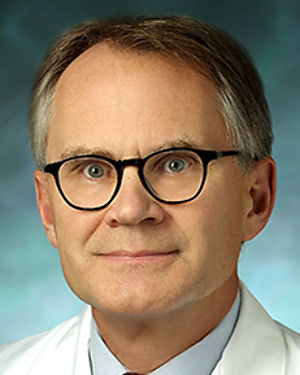
-
Alicia Arbaje Lab
Research in the Alicia Arbaje Lab aims to help older adults maintain dignity and quality of life as they age. We are particularly interested in creating health care systems to improve safety and outcomes for older adults.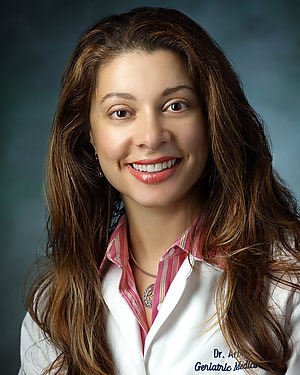
-
Jean Kim Lab
The Jean Kim Laboratory performs translational research in the area of chronic rhinosinusitis, with a niche interest in the pathogenesis of hyperplastic nasal polyposis. Studies encompass clinical research to basic wet laboratory research in studying the underlying immune and autoimmune mediated mechanism of polyp growth and perpetuation of disease. Human cell and tissue culture models are used. Techniques in the laboratory include cell and tissue culture, real time PCR, immunoblot, ELISA, flow cytometry, immunohistochemistry, electron microscopy, gene array analysis, and other molecular approaches including genetic knockdowns. Approaches used in Dr. Kim’s clinical study designs include prospective and retrospective analysis of patient outcomes and clinical biomarkers, as wells controlled clinical trials.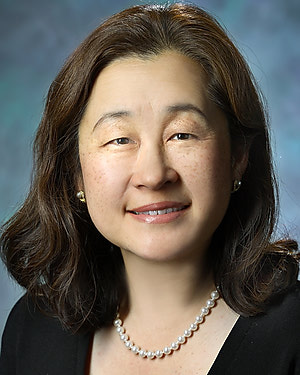
-
Jonathan Orens Lab
Research in the Jonathan Orens Lab examines topics such as clinical outcomes of lung transplantation, chronic allograft rejection and ischemic reperfusion injury, also known as primary graft dysfunction.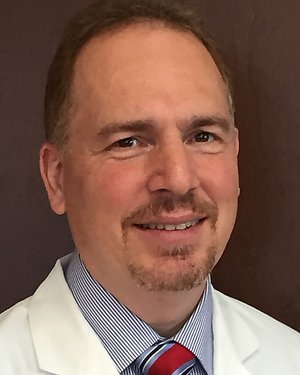
-
Jinyuan Zhou Lab
Dr. Zhou's research focuses on developing new in vivo MRI and MRS methodologies to study brain function and disease. His most recent work includes absolute quantification of cerebral blood flow, quantification of functional MRI, high-resolution diffusion tensor imaging (DTI), magnetization transfer mechanism, development of chemical exchange saturation transfer (CEST) technology, brain pH MR imaging, and tissue protein MR imaging. Notably, Dr. Zhou and his colleagues invented the amide proton transfer (APT) approach for brain pH imaging and tumor protein imaging. His initial paper on brain pH imaging was published in Nature Medicine in 2003 and his most recent paper on tumor treatment effects was published in Nature Medicine in 2011. A major part of his current research is the pre-clinical and clinical imaging of brain tumors, strokes, and other neurologic disorders using the APT and other novel MRI techniques. The overall goal is to achieve the MRI contrast at the protein and peptide level without injection of exogenous agents and improve the diagnostic capability of MRI and the patient outcomes.
-
Johns Hopkins Center for Fetal Therapy Research
Johns Hopkins experts have been at the forefront of research into the benefits and proven outcomes of the most advanced prenatal surgery techniques to treat a range of conditions including congenital diaphragmatic hernia (CDH), spina bifida and twin-to-twin transfusion syndrome (TTTS). -
Chirag Parikh Lab
Dr. Parikh's research focuses on the translation and validation of novel biomarkers for the diagnosis and prognosis of acute kidney injury. Progress in kidney diseases has been hamstrung by significant heterogeneity within the current disease definitions, which are largely based on serum creatinine. Dr. Parikh's research has addressed this critical challenge by developing biomarkers of renal tubular injury, repair, and inflammation to dissect this heterogeneity. He has assembled multicenter longitudinal prospective cohorts for translational research studies across several clinical settings of acute kidney injury and chronic kidney disease for the efficient translation of novel biomarkers.
His research is dedicated to the process of applying discoveries generated in the laboratory and in preclinical experiments, the development of clinical studies, and the design of clinical trials. Dr. Parikh's studies have refined the clinical definition in perioperative acute kidney injury and hepatorenal syndrome, developed strategies to reduce kidney discard in deceased donor transplantation, and advanced regulatory approvals of kidney injury biomarkers. He has also developed biomarkers to identify rapid progressors of early diabetic kidney disease before derangements in serum creatinine. Dr. Parikh's research goal is to translate our understanding of pathophysiological mechanisms into clinical practice and improve the outcomes in patients with kidney disease.
Dr. Parikh has also been the recipient of numerous honors, including the 2017 Young Investigator Award from the American Society of Nephrology.