Research Lab Results
-
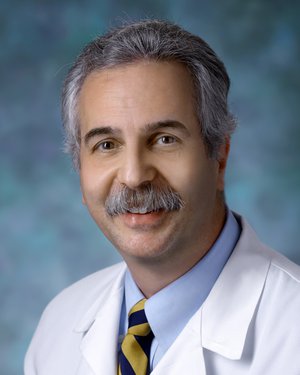
David Sullivan Lab
Research in the David Sullivan Lab focuses on malaria, including its diagnosis, treatment, molecular biology as it relates to iron, and pathology as it relates to severe anemia. We test and develop new malaria diagnostics — from real-time polymerase chain reaction (PCR) to novel urine and saliva detection platforms. This includes the adaptation of immuno-PCR (antibody coupled to DNA for PCR detection) to malaria and a lead blood stage drug that contains a quinine derivative used to treat malaria in the 1930s.
-
David Thompson Lab
Researchers in the David Thompson Lab examine the outcomes of patients treated in intensive care units (ICUs), patient safety efforts, quality improvement efforts, and multidisciplinary teamwork and safety curriculum development. We're taking part in a study aimed at reducing hospital-acquired infections among cardiovascular surgery patients. Our investigators also participated in a clinical research collaboration that saw an 81 percent reduction in bloodstream infections related to central lines.
-
Edgar Miller Lab
Research in the Edgar Miller Lab focuses on nutrition, hypertension and kidney disease. Current projects include a National Heart, Lung, and Blood Institute study on dietary carbohydrate and glycemic index effects on markers of oxidative stress, inflammation and kidney function; and a National Institute of Diabetes and Digestive and Kidney Diseases randomized controlled trial that examines the effects of omega-3 fatty acid supplementation on urine protein excretion in diabetic kidney disease. -
Vascular Neurology Lab
Vascular research led by Rafael Tamargo, M.D., the Walter E. Dandy Professor of Neurosurgery, explores treatment of aneurysms, arteriovenous malformations, cavernous malformations, and arteriovenous fistulas of the brain and spinal cord. Basic science research has focused on endothelial cell-leukocyte interactions (inflammation) after subarachnoid hemorrhage and identifying drugs that might inhibit this inflammatory response as well as the narrowing of blood vessels. -
Komatsu Lab
Malfunction and malformation of blood vessels are associated with a broad range of medical conditions, including cancer, cardiovascular diseases, and neurological disorders. The ultimate goal of the Komatsu lab is to find a way to reverse the process of abnormal vessel formation and restore normal function to these vessels. In cancer, normalization of tumor blood vessels facilitates lymphocyte infiltration, potentiating anti-tumor immunity, and enhances the efficacy of immunotherapies as well as conventional cancer treatments. Normalization of regenerating blood vessels is also necessary for reestablishing blood flow to ischemic hearts and limbs, and preventing blindness caused by diabetic retinopathy or macular degeneration. Komatsu lab’s research is uncovering key molecular pathways important for the normalization of pathological vasculature.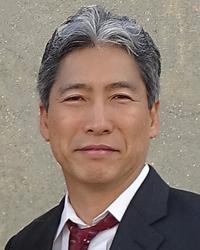
-
Nicholas Flavahan Lab
The Nicholas Flavahan Lab primarily researches the cellular interactions and subcellular signaling pathways that control normal vascular function and regulate the initiation of vascular disease. We use biochemical and molecular analyses of cellular mediators and cell signaling mechanisms in cultured vascular cells, while also conducting physiological assessments and fluorescent microscopic imaging of signaling systems in isolated blood vessels. A major component of our research involves aterioles, tiny blood vessles that are responsible for controlling the peripheral resistance of the cardiovascular system, which help determine organ blood flow. -
Frederick Sieber Lab
The Frederick Sieber Lab studies the impact of sedation on geriatric surgical patients—especially those undergoing orthopaedic or pelvic procedures—with the goal of preventing postoperative delirium. We are using electroencephalography to investigate the effect of sedation depth during spinal anesthesia. We are also working to determine the effects of using propofol for sedation in elderly patients as well as the effects of robotics and surgical positioning on cerebral blood flow. -
Machine Biointerface Lab
Dr. Fridman's research group invents and develops bioelectronics for Neuroengineering and Medical Instrumentation applications. We develop innovative medical technology and we also conduct the necessary biological studies to understand how the technology could be effective and safe for people. Our lab is currently focused on developing the ""Safe Direct Current Stimulation"" technology, or SDCS. Unlike the currently available commercial neural prosthetic devices, such as cochlear implants, pacemakers, or Parkinson's deep brain stimulators that can only excite neurons, SDCS can excite, inhibit, and even sensitize them to input. This new technology opens a door to a wide range of applications that we are currently exploring along with device development: e.g. peripheral nerve stimulation for suppressing neuropathic pain, vestibular nerve stimulation to correct balance disorders, vagal nerve stimulation to suppress an asthma attack, and a host of other neuroprosthetic applications. Medical Instrumentation MouthLab is a ""tricorder"" device that we invented here in the Machine Biointerface Lab. The device currently obtains all vital signs within 60s: Pulse rate, breathing rate, temperature, blood pressure, blood oxygen saturation, electrocardiogram, and FEV1 (lung function) measurement. Because the device is in the mouth, it has access to saliva and to breath and we are focused now on expanding its capability to obtaining measures of dehydration and biomarkers that could be indicative of a wide range of internal disorders ranging from stress to kidney failure and even lung cancer. -
Mark Levis Laboratory
Our broad research goals are to identify and validate novel molecular therapeutic targets in hematopoietic malignancies. We are interested in the identification and pre-clinical development of novel targeted therapies, and, in particular, the “translational” step of this research by using correlative studies to incorporate these novel therapies into existing treatments. Our research is of particular interest to those who wish to be involved in directly translating the results of laboratory bench work into meaningful benefits for patients. Currently, we are actively involved in the pre-clinical and clinical development of small molecule kinase inhibitors targeting the FLT3 signaling pathway in acute myeloid leukemia. We are interested in 3 compounds in particular- AC220, a FLT3/KIT inhibitor; crenolanib,a selective FLT3 inhibitor with activity against resistant point mutations; and PLX3397, another inhibitor of KIT and FLT3. The active projects in the lab include: 1) Characterization of cytotoxic responses of different hematologic malignancies to FLT3 and KIT kinase inhibition; 2) Examination of the interaction of bone marrow stroma and stroma-derived cytokines on the efficacy of these inhibitors; 3) Examination of the differential effect of FLT3 inhibition versus combined FLT3/KIT inhibition on acute myeloid leukemia and bone marrow progenitor cells; and 4) Correlative laboratory studies using blood and marrow samples from patients treated with FLT3 inhibitors, with the aim of developing predictive models for clinical response.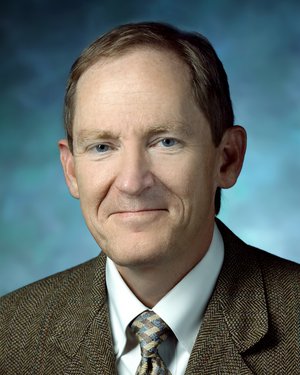
-
Hsin-Chieh Yeh Lab
Work in the Hsin-Chieh Yeh Lab focuses on clinical trials and cohort studies of diabetes, obesity and behavioral intervention, cancer and hypertension. Recent investigations have focused on novel risk factors and complications related to obesity and type 2 diabetes, particularly lung function, smoking and cancer. We recently co-led a randomized clinical trial of tailored dietary advice for consumption of dietary supplements to lower blood pressure and improve cardiovascular disease risk factors in hypertensive urban African Americans.