Research Lab Results
-
The Bigos Lab
The Bigos Lab focuses on a Precision Medicine approach to the treatment of psychiatric illness. In addition, this lab employs functional neuroimaging and genetics as biomarkers in neuropsychiatric drug development. A recent study used functional MRI to test the neural effects of a drug with the potential to treat cognitive dysfunction in schizophrenia. Other studies aim to identify patient-specific variables including sex, race, and genetics that impact drug clearance and clinical response to better select and dose antipsychotics and antidepressants.
-
Brain Tumor Genetics Lab
Led by Dr. Chetan Bettegowda and Dr. Jordina Rincon-Torroella, our lab uses genetic analysis, biomarkers and patient outcome data to identify better ways to diagnose and treat disease. We research a variety of neurological conditions, including central nervous system tumors, trigeminal neuralgia and traumatic brain and spinal injuries. -
Eugene Shenderov Laboratory
The Shenderov Lab focuses on the elucidation of the mechanisms of immune response and resistance to immunotherapy in Prostate Cancer. This has led to clinical and basic research investigating the presumptive checkpoint inhibitor B7-H3. In pursuit of understanding biomarkers or resistance and response, and regulatory molecules of immune response, we utilize artificial intelligence, immunogenomics, and spatial proteomics and transcriptomics in the laboratory and at the bedside using clinical trial correlative samples. -
Eberhart, Rodriguez and Raabe Lab
Utilizing a combination of tissue-based, cell-based, and molecular approaches, our research goals focus on abnormal telomere biology as it relates to cancer initiation and tumor progression, with a particular interest in the Alternative Lengthening of Telomeres (ALT) phenotype. In addition, our laboratories focus on cancer biomarker discovery and validation with the ultimate aim to utilize these novel tissue-based biomarkers to improve individualized prevention, detection, and treatment strategies. -
Livia Casciola-Rosen Lab
Work in the Livia Casciola-Rosen Lab explores the shared mechanisms present in autoimmune rheumatic diseases, specifically scleroderma, Sjogren's syndrome and myositis. We use disease-specific autoantibodies to identify the factors that cause the autoimmune response in such diseases. Our current research involves identifying the antigen targets of autoimmune diseases, investigating the autoantigens targeted in cancers associated with rheumatic diseases and finding unique clinical biomarkers, such as the anti-HMGCR antibody specificity.
-
NeuroTech & NeuroAI Engineering Laboratory
Our laboratory pioneers innovations at the intersection of precision neurology, neuroengineering, artificial intelligence, and data science. We develop advanced neural-AI interfaces, autonomous wearable neurotechnologies, and immersive augmented and virtual reality platforms incorporating novel multimodal neuron-sensing technologies designed to personalize diagnostics, enhance therapeutic interventions, and optimize neurological rehabilitation. Leveraging computational neuroscience, AI, and applied data science, we generate robust digital biomarkers to monitor and treat neurologic diseases in real-time. Through interdisciplinary collaborations, we aim to transform clinical practice by providing precise, interactive, and personalized neurologic care that dramatically improves patient outcomes. -
Qian-Li Xue Lab
The primary area of statistical expertise in the Qian-Li Xue Lab is the development and application of statistical methods for: (1) handling the truncation of information on underlying or unobservable outcomes (e.g., disability) as a result of screening, (2) missing data, including outcome (e.g., frailty) censoring by a competing risk (e.g., mortality) and (3) trajectory analysis of multivariate outcomes. Other areas of methodologic research interests include multivariate, latent variable models. In Women's Health and Aging Studies, we have closely collaborated with scientific investigators on the design and analysis of longitudinal data relating biomarkers of inflammation, hormonal dysregulation and micronutrient deficiencies to the development and progression of frailty and disability, as well as characterizing the natural history of change in cognitive and physical function over time.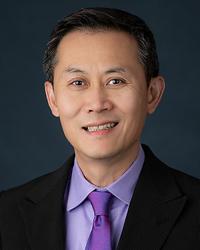
-
Franck Housseau Lab
The Franck Housseau Lab focuses on the role of the microbiome in colorectal tumorigenesis and on developing a better understanding of the tumor immune microenvironment. The lab is currently working to define the biomarkers of a pre-existing antitumor immune response in metastatic colorectal cancer to define a population of patients eligible for checkpoint blockade therapies. -
IBD and Autoimmune Liver Diseases Laboratory
Investigators in the IBD and Autoimmune Liver Diseases Laboratory conduct basic and translational research in inflammatory bowel disease (IBD) and autoimmune liver diseases. One area of focus is discovering and developing biomarkers for diagnosing and prognosticating IBD and other autoimmune liver diseases (AILDs). We also are exploring the molecular pathogenesis of—and developing novel therapies for—IBD. In addition, we are working to understand the molecular reason why many IBD patients fail to respond to mainstay drug therapies—and to develop diagnostic assays that can predict non-responders before starting them on those therapies. These biomarker studies have led to our application for four U.S. and international patents. -
Machine Biointerface Lab
Dr. Fridman's research group invents and develops bioelectronics for Neuroengineering and Medical Instrumentation applications. We develop innovative medical technology and we also conduct the necessary biological studies to understand how the technology could be effective and safe for people. Our lab is currently focused on developing the ""Safe Direct Current Stimulation"" technology, or SDCS. Unlike the currently available commercial neural prosthetic devices, such as cochlear implants, pacemakers, or Parkinson's deep brain stimulators that can only excite neurons, SDCS can excite, inhibit, and even sensitize them to input. This new technology opens a door to a wide range of applications that we are currently exploring along with device development: e.g. peripheral nerve stimulation for suppressing neuropathic pain, vestibular nerve stimulation to correct balance disorders, vagal nerve stimulation to suppress an asthma attack, and a host of other neuroprosthetic applications. Medical Instrumentation MouthLab is a ""tricorder"" device that we invented here in the Machine Biointerface Lab. The device currently obtains all vital signs within 60s: Pulse rate, breathing rate, temperature, blood pressure, blood oxygen saturation, electrocardiogram, and FEV1 (lung function) measurement. Because the device is in the mouth, it has access to saliva and to breath and we are focused now on expanding its capability to obtaining measures of dehydration and biomarkers that could be indicative of a wide range of internal disorders ranging from stress to kidney failure and even lung cancer.