Research Lab Results
-
Neuroimaging and Modulation Laboratory (NIMLAB)
The neuroimaging and Modulation Laboratory (NIMLAB) investigates neural correlates of cognition and behavior using neuroimaging methods such as functional magnetic resonance imaging (fMRI) and neuromodulation techniques such as transcranial magnetic stimulation (TMS). We are looking in depth at the contributions of the cerebellum and cerebro-cerebellar circuits to cognition; the effects of chronic heavy alcohol consumption on cognition and brain activation underlying cognitive function; how aging in humans affects neural systems that are important for associative learning and stimulus awareness; and the integration of transcranial magnetic stimulation with functional MRI. -
Florin Selaru Lab
Dr. Florin Selaru is the director of the Johns Hopkins Inflammatory Bowel disease Center and the research interests in the Selaru Lab comprise the molecular changes associated with the transition from inflammatory states in the GI tract (colon, stomach, biliary tree) to frank cancers. In addition, our current research funded by the AGA, FAMRI and the Broad Foundation works to further the understanding of cancer development and progression in the gastrointestinal tract. Additional areas of investigation include collaboration with biomedical engineers to develop novel compounds for the treatment of IBD associated fistulizing disease, as well as new techniques for administering medications directly to inflamed GI tissues.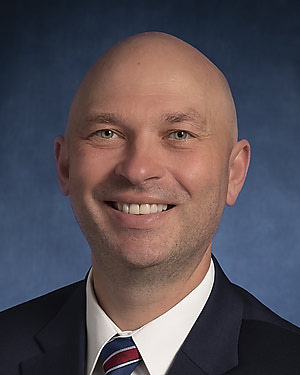
-
The Functional Neurosurgery Lab
The studies of the Functional Neurosurgery Lab currently test whether neural activity related to the experimental vigilance and conditioned expectation toward pain can be described by interrelated networks in the brain. These two psychological dimensions play an important role in chronic pain syndromes, but their neuroscience is poorly understood. Our studies of spike trains and LFPs utilize an anatomically focused platform with high temporal resolution, which complements fMRI studies surveying the whole brain at lower resolution. This platform to analyze the oscillatory power of structures in the brain, and functional connections (interactions and synchrony and causal interactions) between these structures based upon signals recorded directly from the waking human brain during surgery for epilepsy and movement disorders, e.g. tremor. Our studies have demonstrated that behaviors related to vigilance and expectation are related to electrical signals from the cortex and subcortical structures. These projects are based upon the combined expertise of Dr. Nathan Crone in recordings and clinical management of the patients studied; Dr. Anna Korzeniewska in the analyses of signals recorded from the brain; Drs. Claudia Campbell, Luana Colloca and Rick Gracely in the clinical psychology and cognitive neurology of the expectation of pain and chronic pain; Dr. Joel Greenspan in quantitative sensory testing; and Dr. Martin Lindquist in the statistical techniques. Dr. Lenz has conducted studies of this type for more than thirty years with continuous NIH funding. -
MRB Molecular Imaging Service Center and Cancer Functional Imaging Core
Established in 2004, the MRB Molecular Imaging Service Center and Cancer Functional Imaging Core provides comprehensive molecular and functional imaging infrastructure to support the imaging research needs of the Johns Hopkins University faculty. Approximately 55-65 different Principal Investigators use the center annually. The MRB Molecular Imaging Service Center is located behind the barrier within the transgenic animal facility in the basement of MRB. The MRB location houses a 9.4T MRI/S scanner for magnetic resonance imaging and spectroscopy, an Olympus multiphoton microscope with in vivo imaging capability, a PET-CT scanner, a PET-SPECT scanner, and a SPECT-CT scanner for nuclear imaging, multiple optical imaging scanners including an IVIS Spectrum, and a LI COR near infrared scanner, and an ultrasound scanner. A brand new satellite facility in CRB2-LB03 opens in 2019 to house a simultaneous 7T PET-MR scanner, as well as additional imaging equipment, to meet the growing molecular and functional imaging research needs of investigators. To image with us, MRB Animal Facility training and Imaging Center Orientation are required to obtain access to the MRB Animal Facility and to the MRB Molecular Imaging Center (Suite B14). The MRB Animal Facility training group meets at 9:30 am on Thursdays at the Turner fountain/MRB elevator lobby. The Imaging Center orientation group meets at 1 pm on Thursdays at the Turner fountain, and orientation takes approximately 30 min. Please keep in mind that obtaining access to both facilities requires time, so please plan in advance.