Research Lab Results
-
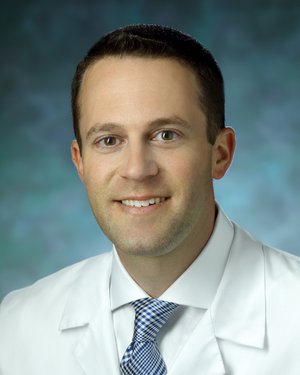
Mahya Faghih Lab
Dr. Faghih is a member of the Johns Hopkins Pancreas Center and is a translational pain researcher who is leading mechanistic studies and clinical trials in chronic pancreatitis-associated pain. One particular aspect of her research is the use of the “Scrambler” device in the treatment of pain from chronic pancreatitis.
-
Melanie Dispenza
Dr. Dispenza’s laboratory focuses on allergies and IgE-mediated allergic reactions including anaphylaxis. Overall goals of the lab include understanding the mechanisms driving anaphylaxis severity and phenotypes, discovering new biomarkers for the accurate diagnosis of anaphylaxis, and developing novel strategies for the prevention of IgE-mediated reactions. One major project focuses on the prevention of anaphylaxis, for which there are no known reliable preventative therapies. They found that small molecule inhibitors of the enzyme Bruton’s tyrosine kinase (BTK), which is a key component of the IgE signaling pathway, completely suppress IgE-mediated human mast cell and basophil activation and significantly protect against death from severe anaphylaxis in humanized mice. Further, in an investigator-initiated clinical trial, they demonstrated in an investigator-initiated trial that treatment with just 2 days of the oral BTK inhibitor acalabrutinib completely prevents clinical reactivity from eating peanut in the majority of peanut-allergic adults and markedly increases the tolerance level of the remainder. These exciting data suggest that a long sought-after preventative therapy for anaphylaxis may finally be within reach.
-
Michael Melia Lab
Research in the Michael Melia Lab focuses primarily on nocardia infections, Lyme disease and hepatitis C. Our studies have included key topics such as risk factors for incident infections during hepatitis C treatment, racial differences in eligibility for hepatitis C treatment and misdiagnosis of Lyme arthritis using the Borrelia burgdorferi immunoblot testing method. We also have a longstanding interest in medical education and work on curriculum to improve the quality of education for medical students and interns.
-
Michelle Eakin Lab
The Michelle Eakin Lab conducts research on behavioral science and adherence and asthma outcomes in inner-city children. Our studies into behavioral science have included exploring the impact of medication adherence on lung health outcomes in patients with cystic fibrosis, disparities in anti-hypertensive medication adherence in adolescents and other key topics. We also investigate methods for improving asthma care and treatment as well as health disparities among various ethnicities, particularly in pediatric patients.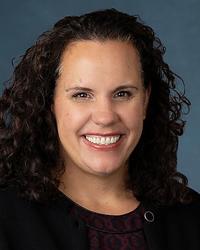
-
Miho Iijima Laboratory
The Miho Iijima Laboratory works to make a further connection between cells' signaling events and directional movement. Our researchers have identified 17 new PH domain-containing proteins in addition to 10 previously known genes in the Dictyostelium cDNA and genome database. Five of these genes contain both the Dbl and the PH domains, suggesting these proteins are involved in actin polymerization. A PTEN homologue has also been identified in Dictyostelium that is highly conserved with the human gene. We are disrupting all of these genes and studying their roles in chemotaxis. -
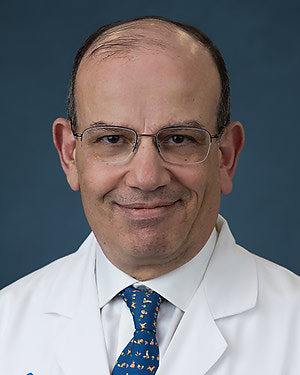
Mohamed Atta Lab
Dr. Atta and his research team explore the epidemiological and clinical interventions of a variety of kidney diseases. Our goal is not only to advance the understanding of many kidney diseases but also to capitalize on novel discoveries of basic science to treat a wide range of rare and common kidney disorders.
- Multi-international observational study of a rare form of amyloid (LECT2 amyloid) to understand its natural history with the ultimate interest of treating this condition.
- Our group has launched a project investigating the impact of COVID19 on the kidney to identify risk factors influencing outcome across different clinical phenotypes
- In collaboration with the Division of Infectious Diseases and the School of Public Health, our research has focused on the epidemiology of HIV and kidney disease. We also study clinical markers and contributing factors in the progression of kidney disease, and the association between kidney disease and heart disease.
- Our research group is participating in a multicenter consortium serving as a clinical core site to study the pathogenesis of HIV-associated kidney disease by providing well-characterized clinical specimens and corresponding clinical and laboratory data.
-
Mary Fissell Lab
Research in the Mary Fissell Lab looks at the ways in which average people in early modern England understood health, healing and the natural world. In an ongoing study of vernacular knowledge (ideas about the natural world that ordinary people created, shaped and used), we are examining the popular medical book Aristotle's Masterpiece, first published in 1684. Research has also focused on health care for the poor in 18th-century urban Britain and on how ordinary people learned about their bodies from inexpensive print publications. -
Medication Development for Drug Use Disorders
Our lab evaluates new medications and/or techniques for the treatment of drug use disorder by conducting human laboratory studies to sensitively assess drug effects, and randomized controlled trial evaluations of medications for clinical treatment outcomes. We also focus on the development of outcome measures that are sensitive and clinically relevant. -
Michael Kornberg Lab
Our laboratory conducts basic and translational research aimed at better understanding the pathogenesis of multiple sclerosis (MS) and the role of the immune system in CNS disease, particularly the processes that drive progressive disability such as neurodegeneration and remyelination failure. We currently have three parallel research programs: 1. Metabolism as a modulator of MS: We are studying how basic metabolic pathways regulate the immune system and how these pathways might be exploited to protect neurons and myelin-forming oligodendrocytes from injury. 2. Identifying pathways by which nitric oxide (NO) and other free radicals cause neuronal and axonal damage. Our lab is identifying specific signaling pathways initiated by NO and other free radicals that can be targeted by drugs to produce neuroprotection. 3. Modulating the innate immune system in MS: In collaboration with others at Johns Hopkins, we are studying ways to enhance the reparative functions of microglia while preventing maladaptive responses. This work has identified bryostatin-1 as a potential drug that may be re-purposed for this task. -
Mohamed Farah Lab
The Mohamed Farah Lab studies axonal regeneration in the peripheral nervous system. We've found that genetic deletion and pharmacological inhibition of beta-amyloid cleaving enzyme (BACE1) markedly accelerate axonal regeneration in the injured peripheral nerves of mice. We postulate that accelerated nerve regeneration is due to blockade of BACE1 cleavage of two different BACE1 substrates. The two candidate substrates are the amyloid precursor protein (APP) in axons and tumor necrosis factor receptor 1 (TNFR1) on macrophages, which infiltrate injured nerves and clear the inhibitory myelin debris. In the coming years, we will systematically explore genetic manipulations of these two substrates in regard to accelerated axonal regeneration and rapid myelin debris removal seen in BACE1 KO mice. We also study axonal sprouting and regeneration in motor neuron disease models.