Research Lab Results
-
Amy Kim Lab
The Amy Kim lab performs basic, translational, and clinical research on liver lesions and hepatocellular carcinoma (HCC). She uses state of the art techniques such artificial intelligence enhanced interpretation of pathology and imaging, as well as detection of circulating tumor cells for early detection and prediction of recurrence of HCC after resection and liver transplantation.
-
Auditory Brainstem Laboratory
The overall goal of the Auditory Brainstem Library is to understand how abnormal auditory input from the ear affects the brainstem, and how the brain in turn affects activity in the ear through efferent feedback loops. Our emphasis is on understanding the effects of different forms of acquired hearing loss (genetic, conductive, noise-induced, age-related, traumatic brain injury-related) and environmental noise. We are particularly interested in plastic changes in the brain that compensate for some aspects of altered auditory input, and how those changes relate to central auditory processing deficits, tinnitus, and hyperacusis. Understanding these changes will help refine therapeutic strategies and identify new targets for treatment. We collaborate with other labs in the Depts. of Otolaryngology, Neuroscience, Neuropathology, the Wilmer Eye Institute, and the Applied Physics Laboratory at Johns Hopkins, in addition to labs outside the university to increase the impact and clinical relevance of our research. -
Alan Baer Lab
Research in the Alan Baer Lab focuses on Sjogren's syndrome. Previously, we conducted the Sjogren's International Registry (SICCA), enrolling 300 patients and creating a valuable source of clinical data and biospecimens for research we're conducting with colleagues at Johns Hopkins and the University of California-San Francisco. Currently, we're conducting a longitudinal observational study of patients with Sjogren's syndrome. We're also collaborating with Dr. Ben Larman in the Department of Pathology, using phage immuno-precipation sequencing to work on a characterization of the complete autoantibody repertoire in Sjogren's syndrome patients.
-
David Sullivan Lab
Research in the David Sullivan Lab focuses on malaria, including its diagnosis, treatment, molecular biology as it relates to iron, and pathology as it relates to severe anemia. We test and develop new malaria diagnostics — from real-time polymerase chain reaction (PCR) to novel urine and saliva detection platforms. This includes the adaptation of immuno-PCR (antibody coupled to DNA for PCR detection) to malaria and a lead blood stage drug that contains a quinine derivative used to treat malaria in the 1930s.
-
Weiss Lab
The Weiss Lab, which features a multi-disciplinary team at Johns Hopkins as well as at Cedars Sinai Medical Center in Los Angeles, is dedicated to identifying the most important clinical, genetic, structural, contractile and metabolic causes of sudden cardiac death as well as the means to reverse the underlying pathology and lower risk. Current projects include research into energy metabolism in human heart failure and creatine kinase metabolism in animal models of heart failure. Robert G. Weiss, MD, is professor of medicine, Radiology and Radiological Science, at the Johns Hopkins University.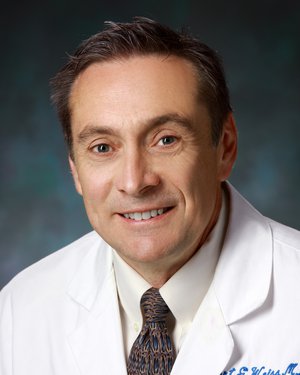
-
The Sfanos Lab
The Sfanos Lab studies the cellular and molecular pathology of prostate disease at the Johns Hopkins University School of Medicine. We are specifically interested in agents that may lead to chronic inflammation in the prostate, such as bacterial infections and prostatic concretions called corpora amylacea. Our ongoing studies are aimed at understanding the influence of prostate infections and inflammation on prostate disease including prostate cancer and benign prostatic hyperplasia (BPH). The laboratory also focuses on the influence of the microbiome on prostate disease development, progression, and/or resistance to therapy. -
Raul Chavez-Valdez Lab
Dr. Raul Chavez-Valdez is an assistant professor in the Department of Pediatrics with great interest in the mechanisms of delayed injury and repair/regeneration in the developing neonatal brain following injury, specifically following hypoxic-ischemic encephalopathy (birth asphyxia). He collaborates with Dr. Frances Northington (Pediatrics) and Dr. Lee Martin (Pathology/Neuroscience) in unveiling the importance of programmed necrosis in the setting of brain injury induced by birth asphyxia. He is especially interested in the role of brain derived neurotrophic factor and neurotrophin-4 following birth asphyxia and the changes that may explain the suspected excitatory/ inhibitory (E/I) imbalance particularly in the hippocampus. His work is highly translational since delayed hippocampal injury due to E/I imbalance may explain memory deficits observed despite therapeutic hypothermia in neonates suffering birth asphyxia. All of these aspects of developmental neuroplasticity are the base of his Career Development Award (NIH/NINDS-K08 award) and applications to other agencies. Additionally, he is part of multiple clinical efforts as part of the Neuroscience Intensive Care Nursery (NICN). He has been a Sutland-Pakula Endowed Fellow of Neonatal Research since September 2013.