Research Lab Results
-
The Ramanathan Lab
Chronic rhinosinusitis (CRS) is a leading cause of morbidity globally and is the single most common self-reported chronic health condition and accounts for billions of dollars in health care costs and lost work days annually. Exposure to air pollutants is thought to be a critical modifier of CRS susceptibility. Despite marked reductions in air pollution levels in the United States, the fine particulate component of air pollution (PM2.5) and ultrafine pollutants secondary to traffic continue to remain a recalcitrant issue globally and in the United States. The Ramanathan Lab focuses on studying the role of air pollution (PM2.5) in CRS. In collaboration with scientists at the Bloomberg School of Public Health, we have utilized a state of the art air pollution exposure system to develop a novel mouse model of air pollution induced rhinosinusitis that mimics many of the features of CRS in humans. Our lab uses transgenic mouse models and novel immunologic/genomic techniques to study the mechanisms by which PM2.5 causes eosinophilic inflammation and sinonasal epithelial barrier dysfunction. We are also interested in the role of the antioxidant transcription factor, Nrf2, which has shown to stabilize the epithelial barrier and reduce eosinophilia in PM induced rhinosinusitis as a potential therapeutic target.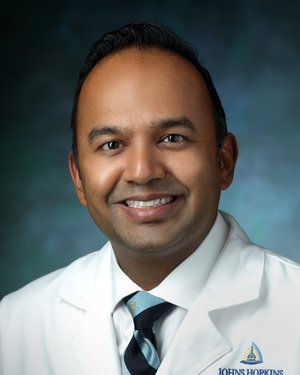
-
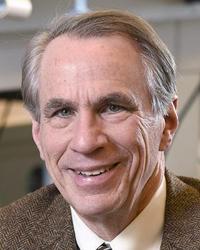
Robert Siliciano Laboratory
Research in the Robert Siliciano Laboratory focuses on HIV and antiretroviral therapy (ART). ART consists of combinations of three drugs that inhibit specific steps in the virus life cycle. Though linked to reduced morbidity and mortality rates, ART is not curative. Through our research related to latently infected cells, we've shown that eradicating HIV-1 infection with ART alone is impossible due to the latent reservoir for HIV-1 in resting CD4+ T cells. Our laboratory characterized the different forms of HIV-1 that persist in patients on ART. Currently, we are searching for and evaluating drugs that target the latent reservoir. We are also developing assays that can be used to monitor the elimination of this reservoir. We are also interested in the basic pharmacodynamic principles that explain how antiretroviral drugs work. We have recently discovered why certain classes of antiretroviral drugs are so effective at inhibiting viral replication. We are using this discovery along with experimental and computational approaches to develop improved therapies for HIV-1 infection and to understand and prevent drug resistance. Finally, we are studying the immunology of HIV-1 infection, and in particular, the ability of some patients to control the infection without ART.