Research Lab Results
-
Kristin Riekert Lab
Work in the Kristin Riekert Lab focuses on methods for improving health care quality and delivery, particularly among underserved and disadvantaged populations. Our research covers a range of important topics, including health beliefs, treatment adherence, doctor-patient communication, self-management interventions, mobile health initiatives, health disparities and patient-reported outcome methodology. We also work with the National Institutes of Health on multiple intervention trials focused on improving adherence and health outcomes in asthma, chronic kidney disease, cystic fibrosis (CF), sickle cell disease and secondhand smoke reduction.
-
The Koliatsos Lab
Founded in the late 1980s, our Lab explores the fundamental mechanisms of neural responses to traumatic and degenerative signals and works to identify targets for treating injury/degeneration with small molecules, peptides and cells. We currently focus on traumatic and degenerative axonopathies as they occur in traumatic brain injury (diffuse axonal injury), neurodegenerative diseases i.e. Alzheimer's disease and other white matter conditions, e.g. hypoxic ischemic encephalopathy, demyelination. We are especially interested in the role of the MAPK cascade of injury, NAD metabolism and SARM1 signaling and their convergence on Wallerian degeneration. -
Komatsu Lab
Malfunction and malformation of blood vessels are associated with a broad range of medical conditions, including cancer, cardiovascular diseases, and neurological disorders. The ultimate goal of the Komatsu lab is to find a way to reverse the process of abnormal vessel formation and restore normal function to these vessels. In cancer, normalization of tumor blood vessels facilitates lymphocyte infiltration, potentiating anti-tumor immunity, and enhances the efficacy of immunotherapies as well as conventional cancer treatments. Normalization of regenerating blood vessels is also necessary for reestablishing blood flow to ischemic hearts and limbs, and preventing blindness caused by diabetic retinopathy or macular degeneration. Komatsu lab’s research is uncovering key molecular pathways important for the normalization of pathological vasculature.
-
Kelly Gebo Lab
Work in the Kelly Gebo Lab focuses on topics such as evidence-based practice, health utilization, policy generation, health disparities in patient access to health care, HIV/AIDS, aging and hepatitis. As part of the HIV Research Network (HIVRN), our lab gathers clinical and demographic data on HIV-infected patients to help develop a single, nationwide research database. In addition, our ongoing research explores evidence-based practice in relation to the management of hepatitis C as well as HIV/AIDS in mentally ill patients. We also investigate racial and gender disparities in patients who receive highly active antiretroviral therapy.
-
Kayode Williams Lab
The Kayode Williams Lab conducts translational research on neuromodulation. We primarily examine the mechanisms and efficacy of spinal cord stimulation in treating neuropathic pain, peripheral neuropathies and peripheral vascular disease. Our clinical trials explore spinal cord stimulation in the treatment of painful diabetic neuropathy and the treatment of critical non-reconstructible critical leg ischemia. We also have a longstanding interest in the business of medicine and seek to enhance value propositions for hospitals and physician groups through more effective management of resources.
-
Kawsar Rasmy Talaat Lab
Research in the Kawsar Rasmy Talaat Lab focuses on international health and parasitology, with an emphasis on vaccines, avian influenza and pandemic influenza. Our team conducts clinical trials of vaccines for a range of diverse pathogens, including flu strains that have the potential to reach pandemic status. Our studies seek to evaluate the safety and immunogenicity of vaccine candidates. We also have a longstanding interest in tropical medicine.
-
Kass Lab
Basic science investigations span an array of inquiries, such as understanding the basic mechanisms underlying cardiac dyssynchrony and resynchronization in the failing heart, and beneficial influences of nitric oxide/cGMP/protein kinase G and cGMP-targeted phosphdiesterase signaling cascades on cardiac maladaptive stress remodeling. Recently, the latter has particularly focused on the role of phosphodiesterase type 5 and its pharmacologic inhibitors (e.g. sildenafi, Viagra®), on myocyte signaling cascades modulated by protein kinase G, and on the nitric oxide synthase dysregulation coupled with oxidant stress. The lab also conducts clinical research and is presently exploring new treatments for heart failure with a preserved ejection fraction, studying ventricular-arterial interaction and its role in adverse heart-vessel coupling in left heart failure and pulmonary hypertension, and testing new drug, device, and cell therapies for heart disease. A major theme has been with the use of advanced non-invasive and invasive catheterization-based methods to assess cardiac mechanics in patients.asive and invasive catheterization-based methods to assess cardiac mechanics in patients. David Kass, MD, is currently the Director at the Johns Hopkins Center for Molecular Cardiobiology and a professor in cellular and molecular medicine. -
Karen Reddy Laboratory
The focus of the research in the Reddy Laboratory is to begin to understand how the nuclear periphery and other subcompartments contribute to general nuclear architecture and to specific gene regulation. Our research goals can be broken down into three complementary areas of research: understanding how genes are regulated at the nuclear periphery, deciphering how genes are localized (or ""addressed"") to specific nuclear compartments and how these processes are utilized in development and corrupted in disease.
-
Kunisaki Lab
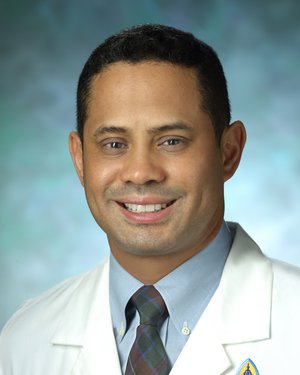
The Kunisaki lab is a NIH-funded regenerative medicine group within the Division of General Pediatric Surgery at Johns Hopkins that works at the interface of stem cells, mechanobiology, and materials science. We seek to understand how biomaterials and mechanical forces affect developing tissues relevant to pediatric surgical disorders. To accomplish these aims, we take a developmental biology approach using induced pluripotent stem cells and other progenitor cell populations to understand the cellular and molecular mechanisms by which fetal organs develop in disease.
Our lab projects can be broadly divided into three major areas: 1) fetal spinal cord regeneration 2) fetal lung development 3) esophageal regeneration
Lab members: Juan Biancotti, PhD (Instructor/lab manager); Annie Sescleifer, MD (postdoc surgical resident); Kyra Halbert-Elliott (med student), Ciaran Bubb (undergrad)
Recent publications:
Kunisaki SM, Jiang G, Biancotti JC, Ho KKY, Dye BR, Liu AP, Spence JR. Human induced pluripotent stem cell-derived lung organoids in an ex vivo model of congenital diaphragmatic hernia fetal lung. Stem Cells Translational Medicine 2021, PMID: 32949227Biancotti JC, Walker KA, Jiang G, Di Bernardo J, Shea LD, Kunisaki SM. Hydrogel and neural progenitor cell delivery supports organotypic fetal spinal cord development in an ex vivo model of prenatal spina bifida repair. Journal of Tissue Engineering 2020, PMID: 32782773.
Kunisaki SM. Amniotic fluid stem cells for the treatment of surgical disorders in the fetus and neonate. Stem Cells Translational Medicine 2018, 7:767-773
-
LEADD Center: Laboratory for Endoscopy Advancement and Device Development
The principal goal of LEADD is to catalyze the development and dissemination of innovative techniques in advanced gastrointestinal endoscopy at Johns Hopkins Medical Institutions, by providing the resources and expertise to conceptualize, design, build, and test new endoscopic devices. LEADD resources will also provide resources for endoscopy education for trainees and faculty. Additional Faculty: Anthony Kalloo, M.D.; Mouen Khashab, M.D., Saowanee Ngamruengphong, M.D.