Research Lab Results
-
Eberhart, Rodriguez and Raabe Lab
Utilizing a combination of tissue-based, cell-based, and molecular approaches, our research goals focus on abnormal telomere biology as it relates to cancer initiation and tumor progression, with a particular interest in the Alternative Lengthening of Telomeres (ALT) phenotype. In addition, our laboratories focus on cancer biomarker discovery and validation with the ultimate aim to utilize these novel tissue-based biomarkers to improve individualized prevention, detection, and treatment strategies. -
Yukari Manabe Lab
Investigators in the Yukari Manabe Lab evaluate the accuracy of rapid, point-of-care diagnostics for HIV, tuberculosis and related infectious diseases in resource-limited settings particularly sub-Saharan Africa and examine the impact of diagnostic interventions on disease detection and patient outcomes. The team also conducts operational and translational research in tuberculosis and HIV co-infection.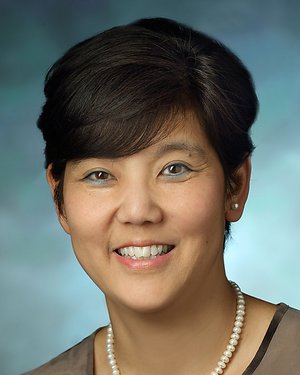
-
Zack Wang Lab
The Wang lab focuses on the signals that direct the differentiation of pluripotent stem cells, such as induced-pluripotent stem (iPS) cells, into hematopoietic and cardiovascular cells. Pluripotent stem cells hold great potential for regenerative medicine. Defining the molecular links between differentiation outcomes will provide important information for designing rational methods of stem cell manipulation.
-
Zishan Siddiqui Lab
Research in the Zishan Siddiqui Lab focuses on patient-centered care and satisfaction, preoperative medicine and clinical reasoning. We are also interested in international medicine. In a previous collaboration with Daniel Brotman, M.D., we discovered that hospital renovations do not improve patient satisfaction.
-
Wendy Bennett Lab
I am a primary care doctor and public health researcher committed to improving women’s health and health care across their lives and improving gender and racial equity.
I am an Associate Professor of Medicine in The Johns Hopkins University School of Medicine, Division of General Internal Medicine. My research focuses on identifying strategies to prevent and manage obesity and type 2 diabetes and cardiovascular disease, particularly among women at highest risk due to pregnancy complications. I conduct pragmatic and community-based randomized controlled trials to test high impact and scalable strategies to reduce excessive weight gain in pregnancy, reduce postpartum weight retention and cardiometabolic risk.
I hold several leadership positions, and I am the Director of Research at Johns Hopkins Community Physicians, the Co-Director of the Johns Hopkins Center for Women’s Health, Sex and Gender Research and a Core Faculty Member of the Welch Center for Prevention, Epidemiology and Clinical Research.

-
Welling Laboratory
Dr. Paul A. Welling and his research team explore the genetic and molecular underpinnings of electrolyte physiology, potassium balance disorders, hypertension and kidney disease. A major thrust of current research activity is devoted to understanding how faulty genes and environmental stresses drive hypertension. The research is providing new insights into how the Western diet triggers deleterious responses of salt-sensitivity genes. The Welling laboratory employs a multidisciplinary approach, spanning from gene discovery, molecular biology, genetically engineered mouse models to translational studies in humans. By illuminating pathophysiological mechanisms and translating the discoveries to develop more effective diagnostic and therapeutic strategies, Welling’s group is striving to improve the health of at-risk individuals and patients with kidney disease and hypertension.
Dr. Welling is the Joseph S. and Esther Hander Professor of Laboratory Research in Nephrology. He has been continuously funded by the National Institutes of Health for over 25 years. Currently he serves as Coordinator of a Global Research Network, funded by the LeDucq Foundation. More about his research can be found at https://www.wellinglab.com/ -
William B. Guggino Lab
Work in the William B. Guggino Lab focuses on the structure of the cystic fibrosis transmembrane conductance regulator (CFTR) and water channels; the molecular structure of transport proteins in epithelial cell membranes; and gene therapies to treat cystic fibrosis (CF) patients. We are also working to identify CF’s specific defect in chloride channel regulation. One recent study showed that insulin-like growth factor 1 (IGF-1) enhances the protein expression of CFTR. -
William Checkley Lab
Research in the William Checkley Lab explores the field of lung health, with an emphasis on the epidemiology of obstructive lung diseases as well as acute lung injury and mechanical ventilation. We also explore the interactions between nutrition and infection, and the impact of environmental exposures to health.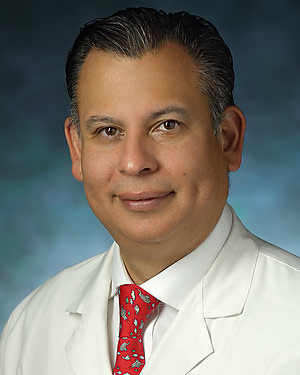
-
Wu Lab
Dr. Wu leads a multi-disciplinary team with collaborators from the Bloomberg School of Public Health, JHU Whiting School of Engineering, and JHU Krieger School of Arts and Sciences. She conducts ongoing investigations with the Multicenter AIDS Cohort Study and Women’s Inter-agency Health Study. Her lab’s goals are to develop, implement, and validate novel imaging-based metrics of cardiac structure and function to improve risk prediction and stratification at the individual patient-level. Research Focuses: Predictors of Sudden Cardiac Death by Magnetic Resonance Imaging Subclinical myocardial disease in people living with HIV Individualized risk prediction Cardiac structural and mechanical modeling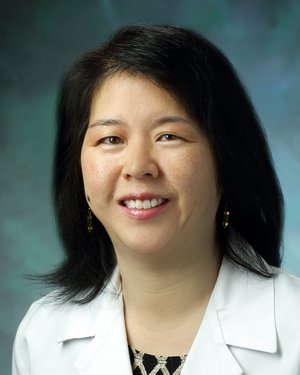
-
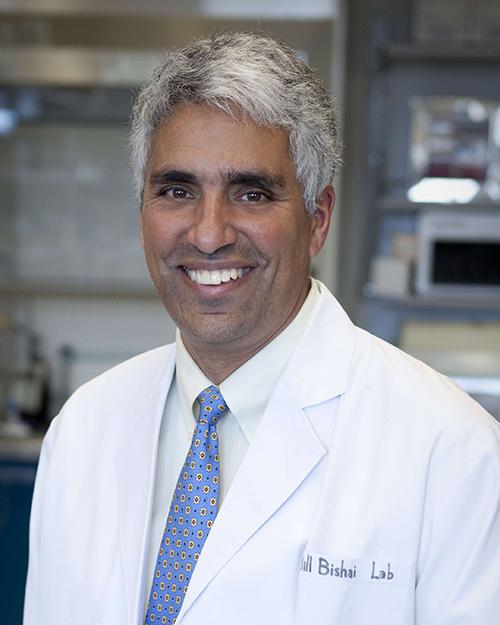
William Bishai Laboratory
The William Bishai Laboratory studies the molecular pathogenesis of tuberculosis. The overall goal of our laboratory is to better understand tuberculosis pathogenesis and then to employ this understanding toward improved drugs, vaccines and diagnostics. Since Mycobacterium tuberculosis senses and adapts to a wide array of conditions during the disease process, it is clear that the regulation of expression of virulence factors plays an important role in pathogenesis. As a result, a theme of our research is to assess mycobacterial genes important in gene regulation. We are also interested in cell division in mycobacteria and the pathogenesis of caseation and cavitation.