Research Lab Results
-
Susan Tuddenham Lab
The Susan Tuddenham Lab studies sexually transmitted diseases, in particular ocular syphilis.
-
Sara Mixter Lab
Research in the Sara Mixter Lab focuses on primary care medical education, particularly quality improvement, high-value care and care transitions for adolescents with developmental disabilities and other special health care needs.
-
Stuart C. Ray Lab
Chronic viral hepatitis (due to HBV and HCV) is a major cause of liver disease worldwide, and an increasing cause of death in persons living with HIV/AIDS. Our laboratory studies are aimed at better defining the host-pathogen interactions in these infections, with particular focus on humoral and cellular immune responses, viral evasion, inflammation, fibrosis progression, and drug resistance. We are engaged in synthetic biology approaches to rational vaccine development and understanding the limits on the extraordinary genetic variability of HCV.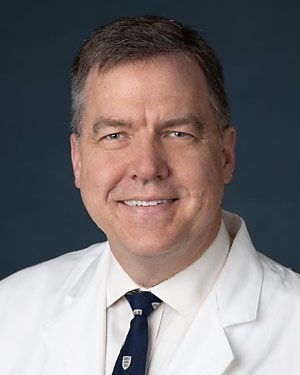
-
Sean T. Prigge Lab
Current research in the Sean T. Prigge Lab explores the biochemical pathways found in the apicoplast, an essential organelle found in malaria parasites, using a combination of cell biology and genetic, biophysical and biochemical techniques. We are particularly focused on the pathways used for the biosynthesis and modification of fatty acids and associated enzyme cofactors, including pantothenate, lipoic acid, biotin and iron-sulfur clusters. We want to better understand how the cofactors are acquired and used, and whether they are essential for the growth of blood-stage malaria parasites.
-
Roger Johns Lab
Investigators in the Roger Johns Lab are examining the molecular mechanisms behind the onset and continuation of chronic pain, particularly neuropathic pain. This work has led to a better understanding of the vast network of molecules at neuronal synapses, particularly the postsynaptic density (PSD), which is key to the propagation of pain signals. We're working to develop new analgesics that interfere with the PSD protein interactions in an effort to better treat patients who suffer from chronic pain.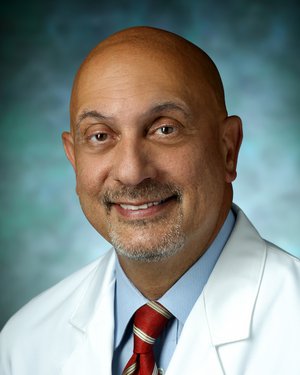
-
Raul Chavez-Valdez Lab
Dr. Raul Chavez-Valdez is an assistant professor in the Department of Pediatrics with great interest in the mechanisms of delayed injury and repair/regeneration in the developing neonatal brain following injury, specifically following hypoxic-ischemic encephalopathy (birth asphyxia). He collaborates with Dr. Frances Northington (Pediatrics) and Dr. Lee Martin (Pathology/Neuroscience) in unveiling the importance of programmed necrosis in the setting of brain injury induced by birth asphyxia. He is especially interested in the role of brain derived neurotrophic factor and neurotrophin-4 following birth asphyxia and the changes that may explain the suspected excitatory/ inhibitory (E/I) imbalance particularly in the hippocampus. His work is highly translational since delayed hippocampal injury due to E/I imbalance may explain memory deficits observed despite therapeutic hypothermia in neonates suffering birth asphyxia. All of these aspects of developmental neuroplasticity are the base of his Career Development Award (NIH/NINDS-K08 award) and applications to other agencies. Additionally, he is part of multiple clinical efforts as part of the Neuroscience Intensive Care Nursery (NICN). He has been a Sutland-Pakula Endowed Fellow of Neonatal Research since September 2013. -
Ron Banerjee Lab
Our research aims to expand the understanding of how hormones regulate pancreatic islets in health and disease. Currently, a major focus of the lab is to define the normal adaptations of islets, particularly insulin-producing beta-cells, to the metabolic stress of pregnancy, and to determine how defective adaptation contributes to gestational diabetes mellitus (GDM). We anticipate that elucidating physiologic mechanisms of gestational beta-cell adaptation will identify novel therapeutic strategies to expand functional beta-cell mass which would help in the treatment of all types of diabetes. -
Rosalyn Stewart Lab
Research in the Rosalyn Stewart Lab focuses on medical education and curriculum development; ambulatory medicine; community outreach and advocacy; health outcomes; and preventive medicine. Topics of published studies include the administration of vaccinations, care quality of pediatric sickle-cell disease patients and the improvement of transitional care to reduce hospital readmission rates. -
Radiopharmaceutical Therapy and Dosimetry Lab
The Radiopharmaceutical Therapy and Dosimetry (RTD) Lab has two missions: 1. Support clinical Radiopharmaceutical Therapy (RPT) trials by performing patient-specific dosimetry and developing novel methods that advance this field and illustrate the impact of a precision medicine approach to implementing treatment planning in RPT. This includes radiobiological modeling and microscale dosimetry calculations for alpha-particle emitter RPT. 2. Pre-clinical studies using novel alpha-emitter RPT agents with immune intact transgenic animal models that incorporate modeling and dosimetry to support the translation of novel targeted radionuclide therapy strategies to the clinic. In particular, identifying how to best combine RPT with complementary orthogonal-modality agents while also obtaining a basic understanding of how the treatment works and which variables have the greatest impact on efficacy and toxicity. The underlying objective is to utilize pre-clinical modeling and dosimetry to help identify an optimal therapeutic clinical trial design so as to reduce unnecessary human experimentation. -
Richard F. Ambinder Lab
Epstein-Barr virus and Kaposi's sarcoma herpesvirus are found in association with a variety of cancers. Our laboratory studies are aimed at better defining the role(s) of the virus in the pathogenesis of these diseases and the development of strategies to prevent, diagnose or treat them. We have become particularly interested in the unfolded protein response in activation of latent viral infection. Among the notions that we are exploring is the possibility that activation of virus-encoded enzymes will allow the targeted delivery of radation. In addition, we are investigating a variety of virus-related biomarkers including viral DNA, antibody responses, and cytokine measurements that may be clinically relevant.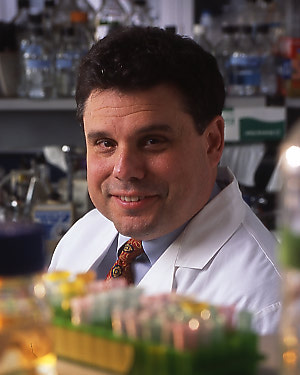
Principal Investigator
Department