Research Lab Results
-
Hsu Lab
Our work is focused on the translational human in vivo and ex vivo assessments of right ventricular (RV) function in the setting of pulmonary hypertension. Among patients with group I pulmonary arterial hypertension PAH, those with systemic-sclerosis-associated PAH (SSc-PAH) have a particularly poor prognosis and less optimal response to PAH-guided therapy. Using in vivo pressure-volume catheterization of the right ventricle, we have uncovered key deficiencies in resting and reserve RV function in the SSc-PAH group when compared to idiopathic PAH (IPAH) patients. These studies have uncovered key discoveries with regards to right ventricular-pulmonary arterial (RV-PA) coupling in PAH. In the lab, by studying myofilament function from RV endomyocardial biopsies from these same patients, we have uncovered corresponding deficiencies in myofilament contractility and calcium sensitivity as well. Ongoing work is directed towards determining the underlying mechanism of these findings, which will hopefully lead to therapeutic applications for RV failure in SSc-PAH. Further endeavors are directed towards studying RV failure in other populations, including exercise-induced PH, PH secondary to left-heart disease, and the left ventricular assist device population.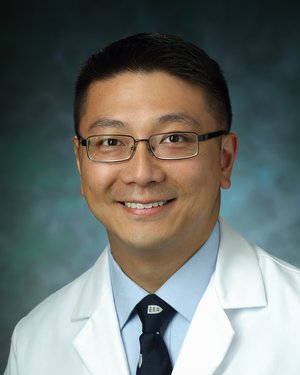
-
Hsin-Chieh Yeh Lab
Work in the Hsin-Chieh Yeh Lab focuses on clinical trials and cohort studies of diabetes, obesity and behavioral intervention, cancer and hypertension. Recent investigations have focused on novel risk factors and complications related to obesity and type 2 diabetes, particularly lung function, smoking and cancer. We recently co-led a randomized clinical trial of tailored dietary advice for consumption of dietary supplements to lower blood pressure and improve cardiovascular disease risk factors in hypertensive urban African Americans.
-
Henry Michtalik Lab
Researchers in the Henry Michtalik Lab are interested in patient safety—particularly as it relates to patient census statistics and acute to primary care transitions—and quality improvement and systems management.
-
Thomas Grader-Beck Lab
Research in the Thomas Grader-Beck Lab aims to understand the pathogenesis of systemic autoimmune diseases—particularly systemic lupus erythematosus (SLE) and Sjögren’s syndrome—by taking a translational approach. Autoantibodies (antibodies that target self-molecules) are believed to contribute significantly to the disease process. We are studying mechanisms that may make self-structures immunogenic. We theorize that certain post-translational antigen modifications, which can occur in infections or malignant transformation, result in the expression of neoepitopes that spread autoimmunity in the proper setting. The team has combined studies that employ a number of mouse strains, certain gene-deficient mice and human biological specimens.
-
The Barouch Lab
The Barouch Lab is focused on defining the peripheral cardiovascular effects of the adipocytokine leptin, which is a key to the understanding of obesity-related cardiovascular disease. Interestingly, many of the hormonal abnormalities seen in obesity are mimicked in heart failure. The research program will enhance the understanding of metabolic signaling in the heart, including the effects of leptin, exercise, sex hormones, and downstream signaling pathways on metabolism and cardiovascular function. The lab also is working to determine the precise role of the “metabolic” beta-3 adrenergic receptor (ß3AR) in the heart and define the extent of its protective effect in obesity and in heart failure, including its role in maintaining nitric oxide synthase (NOS) coupling. Ultimately, this work will enable the exploration of a possible therapeutic role of ß3AR agonists and re-coupling of NOS in preventing adverse ventricular remodeling in obesity and in heart failure. Lili Barouch, MD, is an associate professor of medicine in the Division of Cardiology and a member of the Advanced Heart Failure and Cardiac Transplantation group at the Johns Hopkins University School of Medicine.
-
Todd Brown Lab
The Todd Brown Lab focuses on metabolic, endocrine and skeletal abnormalities in HIV-infected patients, particularly as these factors relate to aging. Our studies take an epidemiologic approach to understanding the occurrence and prevalence of insulin resistance, diabetes, and anthropometric changes in HIV patients and their relationship to antiretroviral treatment.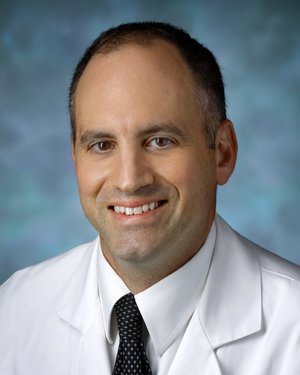
-
Stephen Sisson Lab
The Stephen Sisson Lab focuses on medical education, community outreach and ambulatory care. We recently demonstrated concurrent validity between performance on an ambulatory curriculum, the Internal Medicine In-Training Examination (IM-ITE) and the American Board of Internal Medicine Certifying Examination (ABIM-CE). -
Stephen Mathai Lab
The Stephen Mathai Lab focuses its research on pulmonary medicine. We're particularly interested in scleroderma-associated pulmonary hypertension, pulmonary complications of connective tissue disease, idiopathic pulmonary fibrosis and pulmonary hypertension.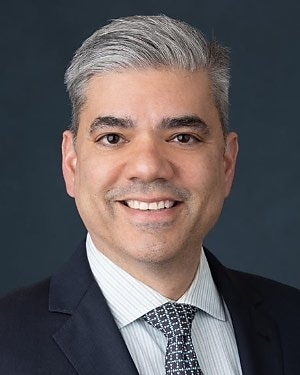
-
Stephen Sozio Lab
Dr. Sozio’s research focuses on 1) Clinical research related to chronic kidney disease and end stage renal disease, and 2) Educational research in undergraduate and graduate medical education.
The Sozio lab pursues work related to stroke, cognitive impairment, manifestations of kidney disease, and systematic reviews on clinical topics, and collaborates on multiple projects with other key investigators. In particular, Dr. Sozio has been an active investigator in the Choices for Healthy Outcomes in Caring for ESRD (CHOICE) Study, Predictors of Arrhythmic and Cardiovascular Risk in End Stage Renal Disease (PACE) Study, Chronic Renal Insufficiency Cohort (CRIC) Study, and work funded through the Agency for Healthcare Research and Quality (AHRQ) and Johns Hopkins Evidence-Based Practice Center. In addition, the Sozio lab performs studies at the UME and GME levels, investing in understanding learners’ mentorship, research, and transitional experiences.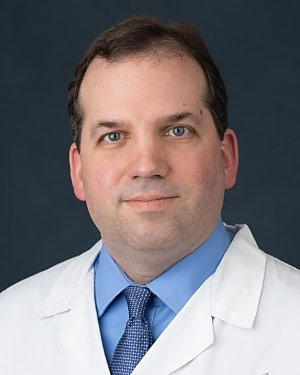
-
Sydney Dy Lab
The Sydney Dy Lab has conducted extensive research on quality of care, patient safety and decision-making, with a focus on patients with cancer and other serious and terminal diseases. Our team seeks to improve health systems and services to optimize the use of technology and medication, particularly in end-of-life health care policy. Our research approach includes primary and quantitative data collection, quality measurement improvement, systematic literature reviews and analysis of secondary database.