Research Lab Results
-
Christine Durand Lab
Dr. Christine Durand, assistant professor of medicine and oncology and member of the Johns Hopkins Kimmel Cancer Center, is involved in clinical and translational research focused on individuals infected with HIV and hepatitis C virus who require cancer and transplant therapies. Her current research efforts include looking at outcomes of hepatitis C treatment after solid organ transplant, the potential use of organs from HIV-infected donors for HIV-infected solid organ transplant candidates, and HIV cure strategies including bone marrow transplantation. Dr. Durand is supported by multiple grants: • R01 from the National Institute of Allergy and Infectious Diseases (NIAID) to study HIV-to-HIV organ transplantation in the US. • K23 from the National Cancer Institute (NCI) to study antiretroviral therapy during bone marrow transplant in HIV-1 infection. • U01 from the NIAID to study HIV-to-HIV deceased donor kidney transplantation. U01 from the NIAID to study HIV-to-HIV deceased donor liver transplantation.
-
Constance Monitto Lab
The Constance Monitto Lab conducts clinical research on pediatric pain management as well as basic science studies on chemotherapy resistance. In our pediatric pain management research, we work to assess the impact of low-dose opioid antagonism on opioid-related side effects, such as nausea and vomiting. We also analyze data on current methods of pediatric pain management in the United States. In addition, our team uses basic science studies to assess the success of epigenetic gene regulation on the development of resistance to chemotherapeutic agents in cancer. -
Eberhart, Rodriguez and Raabe Lab
Utilizing a combination of tissue-based, cell-based, and molecular approaches, our research goals focus on abnormal telomere biology as it relates to cancer initiation and tumor progression, with a particular interest in the Alternative Lengthening of Telomeres (ALT) phenotype. In addition, our laboratories focus on cancer biomarker discovery and validation with the ultimate aim to utilize these novel tissue-based biomarkers to improve individualized prevention, detection, and treatment strategies. -
Zachariah Foda Lab
The Foda lab conducts basic, translational, and clinical research on the early detection, prevention, and interception of gastrointestinal cancers. In collaboration with the other member of the Johns Hopkins Cancer Genomics Lab (https://cancergenomicslab.com/), the group develops and applies whole-genome sequencing-based liquid biopsy methods for the early detection and monitoring of gastrointestinal cancers. These approaches are tested and validated in large multi-national cohorts through international collaborations. Dr. Foda directs the Johns Hopkins Hereditary Colorectal Cancer Registry, which facilitates clinical research related to Familial Adenomatous Polyposis, Lynch syndrome, and other hereditary polyposis conditions.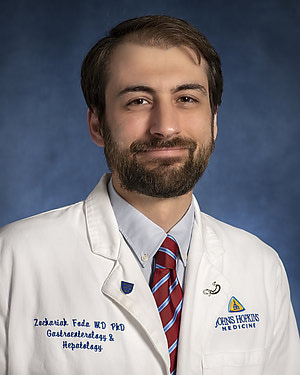
-
Konig Lab
The Konig Lab focuses on chimeric T cell- and antibody-based strategies for the treatment of autoimmune rheumatic diseases and cancer. A primary goal of the translational research program is the development of antigen-specific and personalized immunotherapies for autoimmune diseases, with the intent to achieve sustained disease remission and functional cure. The lab further aims to establish precision T cell-targeting therapies for the treatment of various autoimmune diseases. Applying these tools to immuno-oncology, the lab utilizes cellular engineering strategies to augment the cytotoxic killing of solid cancers by the immune system.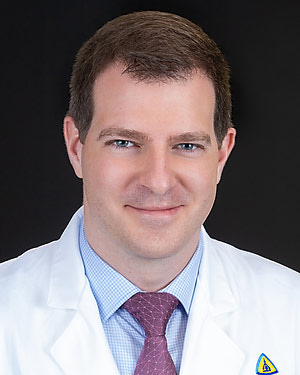
-
Livia Casciola-Rosen Lab
Work in the Livia Casciola-Rosen Lab explores the shared mechanisms present in autoimmune rheumatic diseases, specifically scleroderma, Sjogren's syndrome and myositis. We use disease-specific autoantibodies to identify the factors that cause the autoimmune response in such diseases. Our current research involves identifying the antigen targets of autoimmune diseases, investigating the autoantigens targeted in cancers associated with rheumatic diseases and finding unique clinical biomarkers, such as the anti-HMGCR antibody specificity.
-
Linda Smith-Resar Lab
The Linda Smith-Resar Lab primarily investigates hematologic malignancy and molecular mechanisms that lead to cancer as well as sickle cell anemia. Recent studies suggest that education is an important and effective component of a patient blood management program and that computerized provider order entry algorithms may serve to maintain compliance with evidence-based transfusion guidelines. Another recent study indicated that colonic epithelial cells undergo metabolic reprogramming during their evolution to colorectal cancer, and the distinct metabolites could serve as diagnostic tools or potential targets in therapy or primary prevention. -
Nicola Heller Lab
Research in the Nicola Heller Lab focuses on the immunobiology of macrophages. Our team explores how these cells impact diseases with an inflammatory element, such as cancer, cardiovascular disease and obesity. Using a variety of techniques, including molecular and cellular biology, biochemistry, mouse models and more, we study the role of IL-4/IL-13 signaling in asthma and allergic disease, as well as the role of alternatively activated macrophages (AAM) in the pathogenesis of allergic inflammation. Currently, we are researching the links between asthma and obesity, with a focus on the roles of gender and race. -
Frueh Laboratory
The Frueh Laboratory uses nuclear magnetic resonance (NMR) to study how protein dynamics can be modulated and how active enzymatic systems can be conformed. Non-ribosomal peptide synthetases (NRPS) are large enzymatic systems that biosynthesize secondary metabolites, many of which are used by pharmaceutical scientists to produce drugs such as antibiotics or anticancer agents. Dr. Frueh's laboratory uses NMR to study inter- and intra-domain modifications that occur during the catalytic steps of NRPS. Dr. Frueh and his team are constantly developing new NMR techniques to study these complicated enzymatic systems. -
Machine Biointerface Lab
Dr. Fridman's research group invents and develops bioelectronics for Neuroengineering and Medical Instrumentation applications. We develop innovative medical technology and we also conduct the necessary biological studies to understand how the technology could be effective and safe for people. Our lab is currently focused on developing the ""Safe Direct Current Stimulation"" technology, or SDCS. Unlike the currently available commercial neural prosthetic devices, such as cochlear implants, pacemakers, or Parkinson's deep brain stimulators that can only excite neurons, SDCS can excite, inhibit, and even sensitize them to input. This new technology opens a door to a wide range of applications that we are currently exploring along with device development: e.g. peripheral nerve stimulation for suppressing neuropathic pain, vestibular nerve stimulation to correct balance disorders, vagal nerve stimulation to suppress an asthma attack, and a host of other neuroprosthetic applications. Medical Instrumentation MouthLab is a ""tricorder"" device that we invented here in the Machine Biointerface Lab. The device currently obtains all vital signs within 60s: Pulse rate, breathing rate, temperature, blood pressure, blood oxygen saturation, electrocardiogram, and FEV1 (lung function) measurement. Because the device is in the mouth, it has access to saliva and to breath and we are focused now on expanding its capability to obtaining measures of dehydration and biomarkers that could be indicative of a wide range of internal disorders ranging from stress to kidney failure and even lung cancer.