Research Lab Results
-
Michael Melia Lab
Research in the Michael Melia Lab focuses primarily on nocardia infections, Lyme disease and hepatitis C. Our studies have included key topics such as risk factors for incident infections during hepatitis C treatment, racial differences in eligibility for hepatitis C treatment and misdiagnosis of Lyme arthritis using the Borrelia burgdorferi immunoblot testing method. We also have a longstanding interest in medical education and work on curriculum to improve the quality of education for medical students and interns.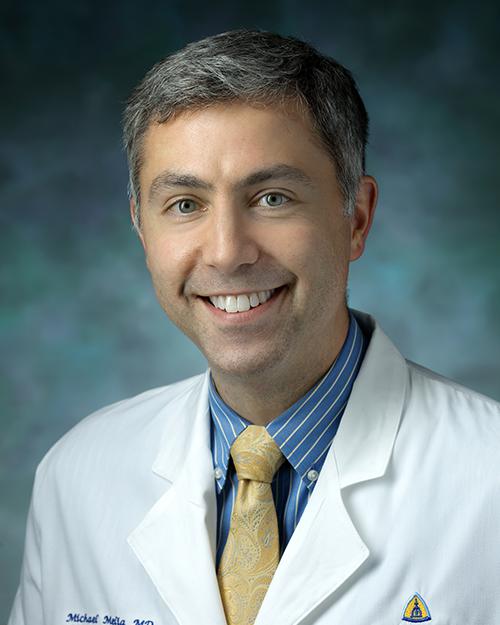
-
Michelle Eakin Lab
The Michelle Eakin Lab conducts research on behavioral science and adherence and asthma outcomes in inner-city children. Our studies into behavioral science have included exploring the impact of medication adherence on lung health outcomes in patients with cystic fibrosis, disparities in anti-hypertensive medication adherence in adolescents and other key topics. We also investigate methods for improving asthma care and treatment as well as health disparities among various ethnicities, particularly in pediatric patients.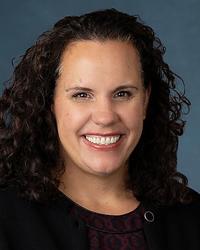
-
Merkin Peripheral Neuropathy and Nerve Regeneration Center
The Merkin Center's goal is to advance peripheral neuropathy research, deepen our understanding of these conditions and their causes and develop viable therapies. The center will tackle pressing research questions in peripheral neuropathy, with a particular focus on areas that impede the development of better diagnostic and therapeutic strategies. -
Michael Kornberg Lab
Our laboratory conducts basic and translational research aimed at better understanding the pathogenesis of multiple sclerosis (MS) and the role of the immune system in CNS disease, particularly the processes that drive progressive disability such as neurodegeneration and remyelination failure. We currently have three parallel research programs: 1. Metabolism as a modulator of MS: We are studying how basic metabolic pathways regulate the immune system and how these pathways might be exploited to protect neurons and myelin-forming oligodendrocytes from injury. 2. Identifying pathways by which nitric oxide (NO) and other free radicals cause neuronal and axonal damage. Our lab is identifying specific signaling pathways initiated by NO and other free radicals that can be targeted by drugs to produce neuroprotection. 3. Modulating the innate immune system in MS: In collaboration with others at Johns Hopkins, we are studying ways to enhance the reparative functions of microglia while preventing maladaptive responses. This work has identified bryostatin-1 as a potential drug that may be re-purposed for this task. -
Mollie Meffert Lab
The Mollie Meffert Lab studies mechanisms underlying enduring changes in brain function. We are interested in understanding how programs of gene expression are coordinated and maintained to produce changes in synaptic, neuronal and cognitive function. Rather than concentrating on single genes, our research is particularly focused on understanding the upstream processes that allow neuronal stimuli to synchronously orchestrate both up and down-regulation of the many genes required to mediate changes in growth and excitation. This process of gene target specificity is implicit to the appropriate production of gene expression programs that control lasting alterations in brain function. -
Meredith McCormack Lab
Research in the Meredith McCormack Lab deals primarily with pulmonary diseases, such as asthma and chronic obstructive pulmonary disease (COPD), and the role of environmental exposures in lung diseases. We have researched the factors that contribute to inner-city asthma, with a focus on how particulate matter air pollution impacts pulmonary function. We are also part of the LIBERATE clinical study, which is focused on patients who experience difficulty breathing and have been diagnosed with severe emphysema. We also have a longstanding interest in the effects of race/ethnicity, poverty and urbanization on nutrition and food allergies.
-
Marek Mirski Lab
Work in the Marek Mirski lab explores the subcortical mechanisms of seizure propagation and cortical synchrony. The primary goal of our research is to develop methodologies for inhibiting seizures using site-specific subcortical electrical stimulation. Our identification of synaptically linked subcortical elements that contribute to seizure propagation has led to FDA-sanctioned phase III clinical trials to assess the use of targeted thalamic stimulation in patients with intractable seizures. We also conduct clinical research on the treatment of acute head injury, elevated intracranial pressure, cerebral edema, ischemic stroke and ICU sedation. -
Mark Levis Laboratory
Our broad research goals are to identify and validate novel molecular therapeutic targets in hematopoietic malignancies. We are interested in the identification and pre-clinical development of novel targeted therapies, and, in particular, the “translational” step of this research by using correlative studies to incorporate these novel therapies into existing treatments. Our research is of particular interest to those who wish to be involved in directly translating the results of laboratory bench work into meaningful benefits for patients. Currently, we are actively involved in the pre-clinical and clinical development of small molecule kinase inhibitors targeting the FLT3 signaling pathway in acute myeloid leukemia. We are interested in 3 compounds in particular- AC220, a FLT3/KIT inhibitor; crenolanib,a selective FLT3 inhibitor with activity against resistant point mutations; and PLX3397, another inhibitor of KIT and FLT3. The active projects in the lab include: 1) Characterization of cytotoxic responses of different hematologic malignancies to FLT3 and KIT kinase inhibition; 2) Examination of the interaction of bone marrow stroma and stroma-derived cytokines on the efficacy of these inhibitors; 3) Examination of the differential effect of FLT3 inhibition versus combined FLT3/KIT inhibition on acute myeloid leukemia and bone marrow progenitor cells; and 4) Correlative laboratory studies using blood and marrow samples from patients treated with FLT3 inhibitors, with the aim of developing predictive models for clinical response.
-
Hey-Kyoung Lee Lab
The Hey-Kyoung Lee Lab is interested in exploring the cellular and molecular changes that happen at synapses to allow memory storage. We use various techniques, including electrophysiological recording, biochemical and molecular analysis, and imaging, to understand the cellular and molecular changes that happen during synaptic plasticity. Currently, we are examining the molecular and cellular mechanisms of global homeostatic synaptic plasticity using sensory cortices as model systems. In particular, we found that loss of vision elicits global changes in excitatory synaptic transmission in the primary visual cortex. Vision loss also triggers specific synaptic changes in other primary sensory cortices, which we postulate underlies sensory compensation in the blind. One of our main research goals is to understand the mechanisms underlying such cross-modal synaptic plasticity. We are also interested in elucidating the events that occur in diseased brains. In collaboration with other researchers, we are analyzing various mouse models of Alzheimer's disease, especially focusing on the possible alterations in synaptic plasticity mechanisms.
-
Head and Neck Cancer Clinical Trials and Tissue Bank
The Johns Hopkins Head and Neck Cancer Tissue Bank enrolls patients and collects research specimens from Head and Neck Tumor patients, both cancerous and benign, with particular focus on Head and Neck Squamous Cell Cancer patients. It provides specimens to researchers both within the institution and outside.