Research Lab Results
-
Justin Bailey Lab
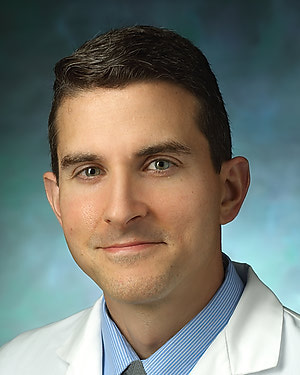
We study human B cells and neutralizing antibody responses against hepatitis C virus (HCV), hepatitis B virus (HBV), SARS-CoV-2, and respiratory syncytial virus (RSV). Our overarching hypothesis is that understanding the B cell response in individuals who naturally control infections, and those who have been vaccinated, can help us to understand the basic biology behind successful immune responses, leading to design of more effective vaccines. A particular technical strength of our laboratory is high dimensional flow cytometric analysis of antigen-specific B cells, which allows us to phenotype these rare cells, and also to sequence B cell receptor (BCR) repertoires and isolate virus-neutralizing monoclonal antibodies (mAbs). -
Esther Oh Lab
The Esther Oh Lab is interested in developing biological markers for pre-clinical stages of Alzheimer's disease (AD). Our current research involves using transgenic models of AD to develop peripheral injections of monoclonal antibodies against amyloid-beta as a tool to detect a level of amyloid-beta that would be correlative to the amyloid-beta level in the brain.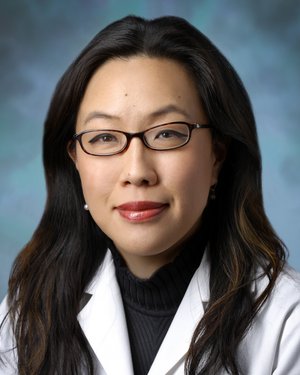
-
Livia Casciola-Rosen Lab
Work in the Livia Casciola-Rosen Lab explores the shared mechanisms present in autoimmune rheumatic diseases, specifically scleroderma, Sjogren's syndrome and myositis. We use disease-specific autoantibodies to identify the factors that cause the autoimmune response in such diseases. Our current research involves identifying the antigen targets of autoimmune diseases, investigating the autoantigens targeted in cancers associated with rheumatic diseases and finding unique clinical biomarkers, such as the anti-HMGCR antibody specificity.
-
Thomas Grader-Beck Lab
Research in the Thomas Grader-Beck Lab aims to understand the pathogenesis of systemic autoimmune diseases—particularly systemic lupus erythematosus (SLE) and Sjögren’s syndrome—by taking a translational approach. Autoantibodies (antibodies that target self-molecules) are believed to contribute significantly to the disease process. We are studying mechanisms that may make self-structures immunogenic. We theorize that certain post-translational antigen modifications, which can occur in infections or malignant transformation, result in the expression of neoepitopes that spread autoimmunity in the proper setting. The team has combined studies that employ a number of mouse strains, certain gene-deficient mice and human biological specimens.
-
Alan Baer Lab
Research in the Alan Baer Lab focuses on Sjogren's syndrome. Previously, we conducted the Sjogren's International Registry (SICCA), enrolling 300 patients and creating a valuable source of clinical data and biospecimens for research we're conducting with colleagues at Johns Hopkins and the University of California-San Francisco. Currently, we're conducting a longitudinal observational study of patients with Sjogren's syndrome. We're also collaborating with Dr. Ben Larman in the Department of Pathology, using phage immuno-precipation sequencing to work on a characterization of the complete autoantibody repertoire in Sjogren's syndrome patients.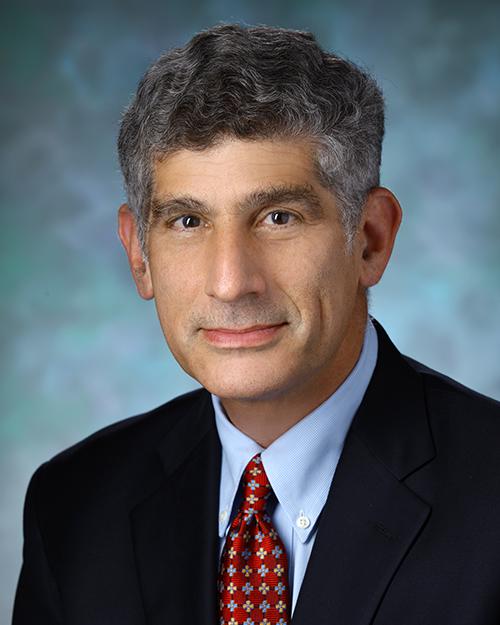
-
Krummey Lab
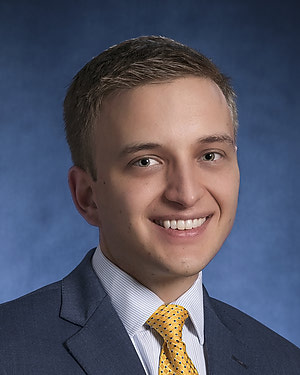
The Krummey Lab is a part of the Department of Pathology at the Johns Hopkins School of Medicine.
Our research prioritizes understanding the cellular mechanisms of alloimmunity, with a concentration on manipulating various cosignaling receptors and antigen recognition pathways to restrain the key lymphocytes principally involved in graft rejection. With the use of MHC tetramers, transgenic mouse models, and high-dimensional flow cytometry, we focus on mouse- and human-graft specific CD8+ T cells, CD4+ T cells, and B cells.
Transplantation is a life-saving procedure against a variety of diseases. Despite technical advances vastly improving early outcomes after transplant, long-term survival of transplanted organs has remained stagnant for the better part of three decades. A major cause of graft loss is immune-mediated rejection, which traditionally has be classified as acute or chronic based on its occurrence early or late after transplantation. Recently, this consensus has shifted to defining a graft rejection by its immunologic characteristics, either antibody-mediated or T cell-mediated (cellular rejection). This is because modern discoveries have identified the true major contributor to graft failures that occur many years after transplantation: not chronic rejection, but rather the cumulative impact of T cell-mediated acute rejection as a risk factor for later graft loss. Thus, original approaches to specifically prohibit and/or treat T cell-mediated acute rejection are of major significance for improving post-transplant outcomes.
HLA compatibility has also proven to be paramount for graft rejection. Originally, this was believed to be at the cellular level, then the single HLA protein level, and now at the epitope or molecular mismatch level. Specifically, HLA class II epitope-level mismatch has been identified as a risk factor for graft rejection, and multiple studies have identified specific epitopes within HLA class II peptides that are thought to be highly pathogenic. Few techniques directly measure antibody responses against specific regions of HLA proteins, but such measurements could provide both new information about the strength and character of alloimmunity and serve as an important new tool to study allogeneic B cells and antibody-secreting cells.
-
Allan Gelber Lab
The Allan Gelber Lab conducts research on the clinical epidemiology of rheumatic disorders. Our recent studies have explored topics that include the predicting factors of prevalent and incident gout; cardiovascular disease burden and risk in patients with rheumatoid arthritis; autoantibodies in both primary and secondary SjogrenÕs syndrome; and predictors of outcomes in patients with scleroderma. In addition, we have a long-standing interest in the ways in which racial differences affect disease manifestations in relation to rheumatic disorders.
-
Antony Rosen Lab
Research in the Antony Rosen Lab investigates the mechanisms shared by the autoimmune rheumatic diseases such as lupus, myositis, rheumatoid arthritis, scleroderma and SjogrenÕs syndrome. We focus on the fate of autoantigens in target cells during various circumstances, such as viral infection, relevant immune effector pathways and exposure to ultraviolet radiation. Our recent research has sought to define the traits of autoantibodies that enable them to induce cellular or molecular dysfunction. We also work to better understand the mechanisms that form the striking connections between autoimmunity and cancer.
-
Brennen Lab
The Brennen laboratory takes a rigorous, multi-disciplinary, team-based approach towards developing innovative therapeutic and prognostic strategies for prostate cancer with an emphasis on exploiting vulnerabilities within the tumor microenvironment towards this goal. To accomplish this goal, we are strategically pursuing novel therapeutic platforms, including stromal-targeted prodrugs, protoxins, and radiolabeled antibodies, in addition to cell-based therapy and drug delivery; all of which are designed to reduce toxicity to peripheral non-target tissue (i.e. side effects) while maximizing anti-tumor efficacy (i.e. therapeutic benefit). Currently, many of these strategies are focused on overcoming stromal barriers to anti-tumor immune responses such that men suffering from prostate cancer can share in the immense, revolutionary power of immunotherapy that is transforming care for many with advanced disease in other tumor types previously thought to be unmanageable using conventional approaches. Unfortunately, prostate cancer has largely proven refractory to these powerful approaches thus far and requires novel mono- or combinatorial treatment strategies to unleash the full potential of the immune system and generate personalized anti-tumor responses with the capability of producing long-term durable responses or even cures in these men.
-
The Vascularized Composite Allotransplantation (VCA) Research Lab
The Vascularized Composite Allotransplantation (VCA) Research Lab is leading research aimed at warding against rejection and reducing the number of medications patients have to take for the rest of their lives. They’re testing a protocol that involves treating the patient with antibodies on the day of transplant, followed by a donor bone marrow infusion several days later. This protocol would allow patients to be treated with low doses of a single maintenance drug after being transplanted.