
The Heart of the Matter: Inside One of the Nation’s Few Dedicated Cardio-Obstetrics Programs
Johns Hopkins offers comprehensive care before, during and after pregnancy to improve outcomes for both mother and baby.
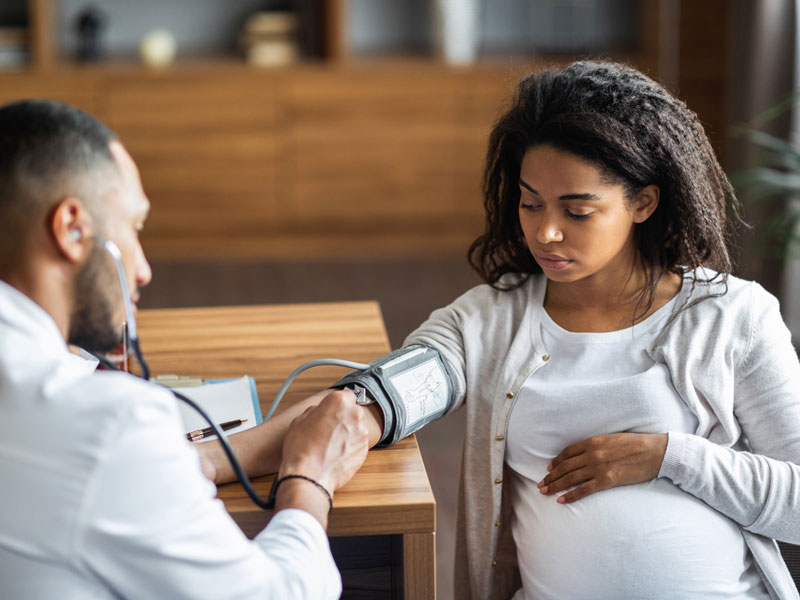
As more patients nationwide experience maternal cardiovascular complications, Johns Hopkins has built one of the country’s only fully integrated cardio-obstetrics programs to close critical gaps in care.
Led by maternal-fetal medicine specialist and critical care doctor Arthur Vaught, the program brings together advanced cardiac and obstetric expertise rarely found in a single center, making it a leader in potentially lifesaving care for both mother and fetus.
While many physicians are skilled at cardiac care, and many have devoted their careers to obstetrics, the cardio-obstetrics team, within the Division of Maternal-Fetal Medicine, is one of just a few in the nation with multidisciplinary expertise in caring for maternity patients with cardiovascular disease.
With continued growth and awareness of the program, referrals now come from emergency departments, cardiologists, maternal-fetal medicine practices, primary care clinicians and community obstetric providers who recognize early signs of cardiac distress.
“We want maternal-fetal medicine specialists in Maryland to have access to our team; we try really hard to establish relationships with outside providers,” says Vaught, adding that urgent referrals are prioritized immediately, and most patients are evaluated within days when necessary.
These referrals have in turn increased clinical volumes, in a cycle that continually adds to the team’s knowledge and expertise in caring for this vulnerable population.
Vaught works closely with Johns Hopkins cardiologists, particularly Anum Minhas and Stacy Fisher, associate director of the Adult Congenital Heart Disease Center at the Johns Hopkins Heart and Vascular Institute.
Patients in the program benefit from the specialized training of the entire team, including anesthesiologists specifically trained for Gyn/Ob and cardiac care, neonatologists, imaging specialists, cardiac surgeons, and even nephrologists or gastroenterologists as needed.
Our goal is not only a safe delivery for mother and baby, but sustained cardiac health. We want our moms to thrive not only in motherhood, but throughout their lives.
Arthur Vaught, M.D.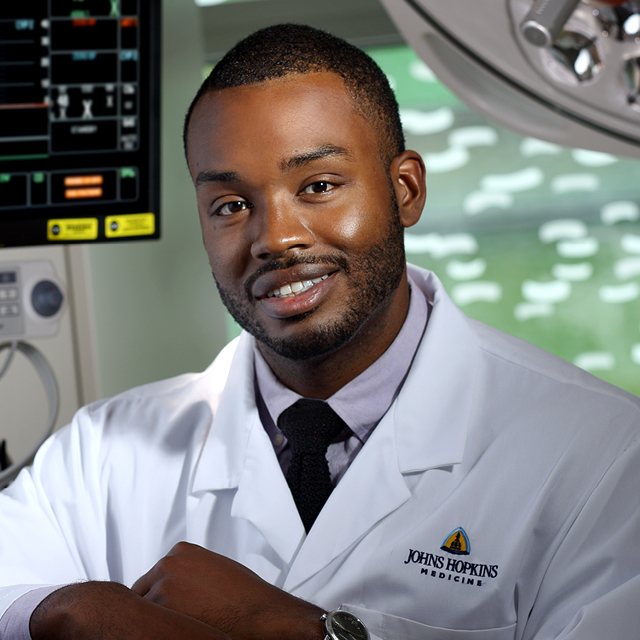
Supported by this depth and breadth of experienced specialists, Vaught works closely with patients, communicating risks, monitoring symptoms and managing treatments with the health of both mother and fetus as paramount.
For example, for a patient with supraventricular tachycardia or arrythmia, which will likely worsen during pregnancy, “We counsel patients early about expected cardiac changes,” he says. “It sets an expectation that this is something that could happen, but we have a plan. We monitor, we may increase their medications, and we can usually keep them out of the hospital.”
Most women in the program are able to deliver without cesarean section, Vaught notes.
“Vaginal births are appropriate for most of our patients, and we advocate for it,” he says. “There are ways that we can monitor through delivery and decrease the amount of cardiac stress as much as possible.”
With the exception of peripartum cardiomyopathy, which tends to resolve on its own after pregnancy, most cardiac conditions that arise or worsen during pregnancy require continued cardiac care postpartum, says Vaught.
“One thing that I like best about our program is that once our patients are plugged into our clinic, we do a really exceptional job of making sure they continue getting the care they need after they deliver,” he says.
That could mean connecting patients to the Heart Failure Bridge Clinic, or for structural heart disease care if necessary. Patients with genetic anomalies linked to their cardiac conditions might meet with a genetic counselor.
“Our goal is not only a safe delivery for mother and baby, but sustained cardiac health,” he says. “We don't want our patients to be healthy just for the pregnancy and six weeks postpartum. We want them to enjoy cardiovascular health for the one-year visit, the future pregnancy, the kindergarten graduation, the college graduation, the wedding. We really want our moms to thrive not only in motherhood, but also in their communities and in their job and workforce.”
That mission, he says, is the beating heart of the entire cardio-obstetrics program.
For Clinicians Clinical Connection
Clinicians, discover the latest in research and clinical innovation from Johns Hopkins experts. Access educational videos, articles, CME courses and other resources from our world-renowned institution.