
Giving Back Through Shared Experiences
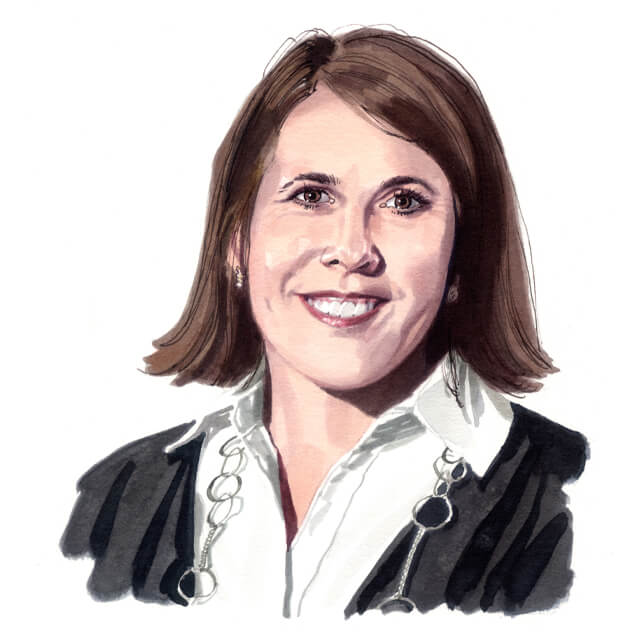
Sue Mead
No parent expects their child to become so sick that they require hospitalization, or that the hospital room will turn into a tiny apartment for weeks on end. But then you find yourself there, running on coffee and very little else. These experiences — undeniably challenging and exhausting — stick with you. That’s why I’m constantly amazed by the drive and passion so many families demonstrate to make things better for those who come after them.
Two days every year in late February, Johns Hopkins Children’s Center is filled with music and ringing telephones. Former patients and families come back to the Children’s Center for the Mix 106.5 Radiothon to share stories about their health care journeys — not all turning out as they had hoped. They are advocates — some would say champions.
Parents and siblings, nurses and physical therapists, are walking our halls as advocates every day. But during the two days of the radiothon, broadcast live for 26 hours, advocacy expands past our glass windows, beyond Orleans Street and throughout Maryland.
The radiothon, which this year raised more than $1.1 million, is more than just an annual fundraising event for the Children’s Center. It’s an opportunity for patients, families and staff members, and radio listeners and local businesses to come together and pay it forward. Patients and family members share stories of their experience at the Children’s Center with the hope they will inspire people they’ve never met to enhance the lives of other children and their families while they are in the hospital. It’s these shared experiences that bring us together to form a strong community, one that gives back year after year.
Radiothon dollars provide funding for our patient and family-centered care program to serve lunch to inpatient families every Thursday. The money also pays for 15-minute chair massages for eight parents each week, and it has allowed us to set up food pantries in three areas of the Children’s Center for families and staff with food insecurity. The funds also support emergency gas cards, parking coupons and Lyft rides to ensure patients can attend outpatient appointments.
Radiothon dollars support innovation as well by funding innovation grants. Staff members submit grant proposals, and those that fall into the patient and clinical care category are reviewed by a multidisciplinary committee that includes parents from our Pediatric Family Advisory Council. Grant proposals are rated on their ability to impact and meet the greatest need. Examples of innovation include simulation manikins for the emergency room, technology-assisted pillboxes, and cellphones that are compatible with diabetes devices for patients who can’t afford them, allowing them access to important diabetes technology.
Many of us have things that “fill our bucket.” For some, it is spending time with friends or traveling. For others, it is serving lunch to hungry, exhausted families. We are eternally appreciative of the growing community that comes out every year during the radiothon to rally listeners to donate to the Children’s Center. Without them, vital programs and resources would go unfunded. The radiothon is a vital example of the power of the patient and family voice, motivating all of us to provide the care and experience we want all patients and families to have.
Sue Mead is a parent adviser on the staff of Johns Hopkins Children’s Center and co-chair of the Pediatric Family Advisory Council. Her daughter was successfully treated for a brain tumor at Johns Hopkins in 2006.
We are eternally appreciative of the growing community that comes out every year during the radiothon to rally listeners to donate to the Children’s Center.”
Sue Mead