

Pediatric Orthopaedic Surgery Guide
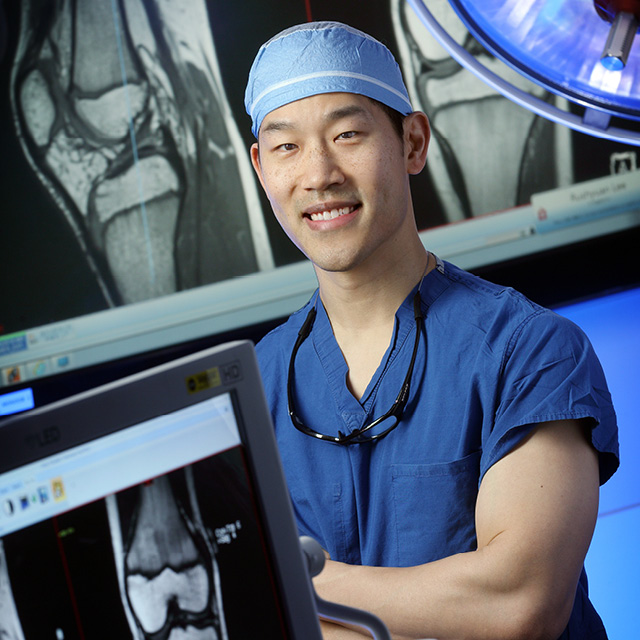
The prospect of your child needing surgery can be scary and overwhelming for the whole family. Whether your child is having a minor procedure or a more complex operation, we want you to feel informed, supported and confident every step of the way. Our experienced team of pediatric orthopaedic surgeons, anesthesiologists, nurses and child life specialists are here to guide you through the entire process.
This section will walk you through everything you need to know before, during and after surgery. We believe that preparation is key to reducing anxiety and promoting healing.
What to Expect During the Preoperative Visit
Before your child’s scheduled surgery, you will meet with the surgeon or advanced practice provider for a preoperative visit. During this appointment, the surgeon will:
- perform an updated physical exam
- review the details of the upcoming procedure
- and ensure all necessary preparations are in place
This is an excellent opportunity to ask any questions you may have about the surgery, recovery process or anything else you’re unsure about.
Every patient and procedure is unique, so your child’s health care team will tailor the preparation process to their individual needs. Depending on your child’s medical history and the type of surgery being performed, their surgeon may require additional clearances. This could include evaluations from their primary care provider, the anesthesia team, mental health professionals, physical therapist, or other specialists.
Patients may be required to complete additional lab work and testing prior to surgery or upon arrival at the facility.
What to Expect The Day Before Surgery
You will receive a call from one of the preoperative nurses the day before your child’s scheduled procedure. The nurse will go over eating and drinking guidelines, and tell you when and where to report for the surgery.
Surgery Locations
- The Johns Hopkins Hospital
- Green Spring Station
- Howard County General Hospital
- Howard County Ambulatory Surgical Center
What to Expect on the Day of Surgery
Getting Here
- To see all parking options, please visit the Johns Hopkins Patient & Visitor Parking Garages website.
- The Orleans Street Garage is the closest on-site parking to Johns Hopkins Children’s Center. There is a pedestrian walkway bridge that connects directly to the garage. Once you are on-site, security staff members and volunteers can direct you to preoperative registration.
- After registration, your family will be assigned a preoperative bay. There, you will begin meeting the specialized care team. Each member plays an important role in ensuring your child’s safety and comfort throughout the entire process.
Preoperative Nursing Team
The preoperative nursing team will:
- take your child’s vital signs (blood pressure, pulse, etc.)
- review your child’s medications
- ask about the last time your child had food or liquids
- conduct an interview to gather all relevant information
Pediatric Anesthesia Team
Our team of pediatric anesthesiologists has received specialized training in the anesthesia care of children, and is committed to ensuring the highest level of care for your child during surgery.
- The anesthesia team will perform a comprehensive assessment, including a review of your child’s medical history and past experiences with anesthesia. This is an opportunity to ask questions about anesthesia, pain management or other concerns you may have.
- The anesthesia provider can also discuss preoperative medications to help provide relief for children experiencing anxiety.
Orthopaedic Surgery Team
You will meet with your child’s surgeon and the orthopaedic team before the procedure. There, they will:
- review the surgical plan with you
- confirm the procedure by marking the surgical site on the child’s skin.
- your child’s surgeon can also address any new concerns or questions that have come up since your last appointment
Operating Room Nurse
Your child and family will also meet the operating room (OR) nurse. The OR nurse will conduct an interview to ensure all correct precautions have been taken and that everything is ready to go for surgery. This nurse will be present with your child throughout the procedure, and will provide updates to the family during surgery.
Child Life Specialists
Johns Hopkins Children’s Center has a dedicated team of child life specialists available in the preoperative area to help alleviate any stress and anxiety that children and their families may experience related to the process. They can assist in helping patients who are anxious or require specialized care better understand the operating room and what to expect during their stay.
Learn more about Child Life at Johns Hopkins Children's Center.
Arrival to the Operating Room
When the OR is ready, your child will be transported by the anesthesia team to the operating room.
- Your child can bring items such as toys, blankets or stuffed animals with them.
- They can also request music be played upon arrival to the surgical suite to help them feel more comfortable and relaxed.
- The anesthesia and nursing teams will always be present to provide comfort and care for your child as they go to sleep.
- Prior to surgery, a “time out” will be performed by all team members and those present in the operating room to ensure proper safety and communication.
- During surgery, the OR nurse will send you updates through an automated text messaging system.
What to Expect After Surgery
Post-Anesthesia Care Unit (PACU)
After surgery is complete, your child will be transferred to the pediatric recovery room.
- The PACU nurse will receive detailed instructions regarding your child’s postoperative care from the orthopaedic surgery team, anesthesia providers and operating room nurse.
- Once your child is safely settled and monitored in the recovery room, a nurse will contact you to let you know that they are ready for visitors.
- The recovery unit is located adjacent to the preoperative area, and a staff member will guide you to see your child.
- If your child is undergoing an outpatient procedure, they will be discharged directly from the recovery area.
Postoperative Care
Before you leave the hospital or the PACU, your child’s care team will give you detailed postoperative instructions. These will cover:
- how to care for the incision
- any activity or weight-bearing restrictions
- pain management
- what to expect during the recovery process
Postoperative care plans may vary per care team and patient.
You will also receive contact information for your surgeon’s clinic, including who to reach in case of an urgent concern outside of regular office hours.
Your understanding during this process is important to us, so please don’t hesitate to ask questions.