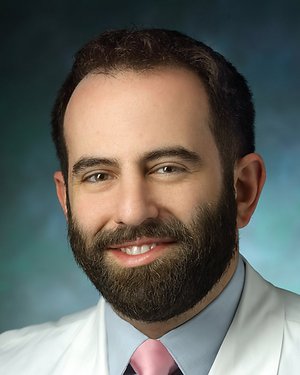
-
Sara Cosgrove, MD

- Professor of Medicine
Research Interests: Development of tools and programs to promote rational use of antimicrobials, Epidemiology and management of S. aureus bacteremia, Epidemiology and outcomes of antimicrobial resistance, Prevention of hospital-acquired infections
Research Publications
-
Amita Gupta, MD MHS

- Professor of Medicine
Research Interests: TB, antimicrobial resistance, HIV, diarrheal diseases epidemiology, global health, infectious diseases, emerging infections, COVID-19, clinical trials, studies in adults, including pregnant women, and children
Research Publications
-
Cynthia Louise Sears, MD

- Professor of Medicine
Research Interests: bacteroides fragilis infections, cryptosporidiosis, food borne disease, Infectious diarrheal diseases
Research Publications
Johns Hopkins Integrated Center for Combating Antimicrobial Resistant Bacteria
About Us
The Johns Hopkins Integrated Center for Combating Antimicrobial Resistant Bacteria (HI-CARB) is investigating fundamental questions surrounding antimicrobial resistance by bringing together outstanding scientific expertise from across Johns Hopkins University in one unified center.
Directed by Dr. Sara Cosgrove, HI-CARB combines the expertise of prominent investigators who have spent lengthy careers working “on one piece of the puzzle” to capitalize on their individual strengths and expertise, ensuring that the whole is better than the sum of its parts. Basic science investigators who have never worked with human specimens before are working with microbiologists who have never validated their findings using novel mouse models. Chemists are working with clinicians. The natural cross-fertilization of ideas amongst experts makes HI-CARB primed for producing meaningful scientific discoveries for years to come. Initial goals of HI-CARB include the following: (1) construct state-of-the-art in vitro and in vivo experimental and validation models to improve our understanding of host and microbial mechanisms that predispose certain human hosts to be at increased risk for significant and persistent colonization with antimicrobial resistant organisms; (2) develop novel diagnostics to rapidly identify AMR Pathogens in clinical specimens; and (3) identify innovative prevention and treatment strategies to interrupt the pathway between colonization with antimicrobial resistant pathogens and infections.