What's Happening


The Latest
What’s the secret sauce for happy scientists at work? These eight countries offer some clues

Measles Cases are Rising—How Do Mortality and Vaccination Rates Compare?

Measles Is Back In The U.S. — And This 1 Group Of Adults Might Want To Consider A Booster
3 science-backed home remedies to ease the common cold
What To Expect From Sick Season This Year, According To Doctors

What’s Next for Lyme Disease Prevention?

COVID Is Spreading In These Regions Right Now — Here Are The Symptoms To Watch For
TB Doesn’t Always End With Treatment: New Study Warns Survivors Remain at High Risk

The Most Important Thing AI Can't Do in Medicine

Is Your Cold Actually COVID? What to Know as the Summer Surge Begins
Screen, Treat, and PrEP

What to know about Candida auris, a fungus contaminating healthcare spaces

2 people in Michigan have died after becoming ill with cyclosporiasis

Infectious disease physician on what you should know about the cyclosporiasis outbreak
news releases & original stories Hopkins Headliners
-
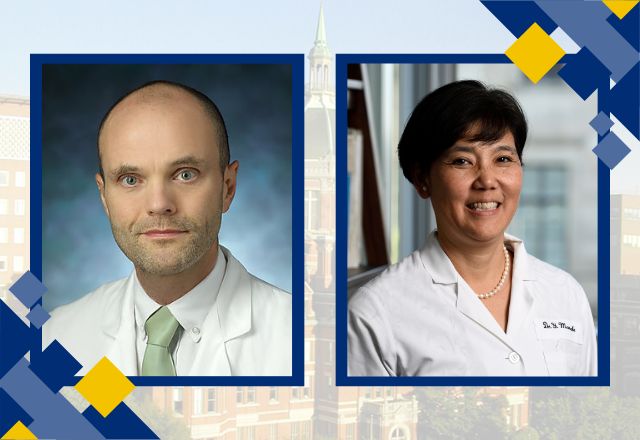
VIDEO: 6 Tips to Protect Against Respiratory Viruses with Dr. Lisa Maragakis
2026-10-08 | Johns Hopkins Medicine | Lisa Maragakis

-
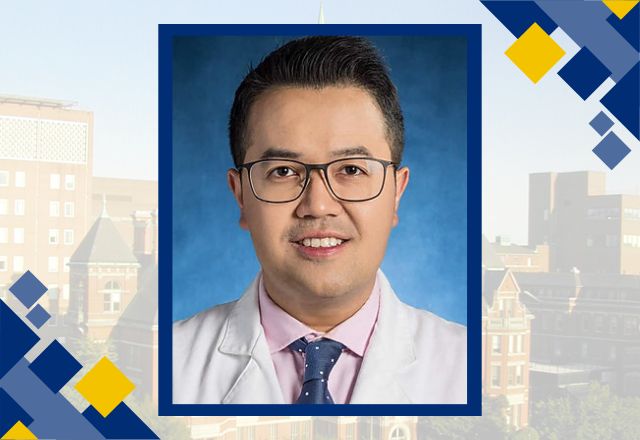
Johns Hopkins Medicine Researchers Publish Clinical Data for Rapid Diagnostic Urine Test to Detect Invasive Aspergillosis
2026-10-07 | Johns Hopkins Medicine News Release | Nate Permpalung
-
Nationwide Safety Program Associated With 65 Reduction in Hospital-onset MRSA Bloodstream Infections
2026-09-14 | Johns Hopkins Medicine News Release | Lisa Maragakis
-
Remdesivir for COVID-19 Linked to Better Outcomes for Adult Kidney Transplant Recipients
2028-07-28 | Johns Hopkins Medicine News Release | Nate Permpalung
-
Cyclosporiasis Outbreak 2026 Expert Q&A
2026-07-14 | Johns Hopkins Medicine | Cynthia Sears

-
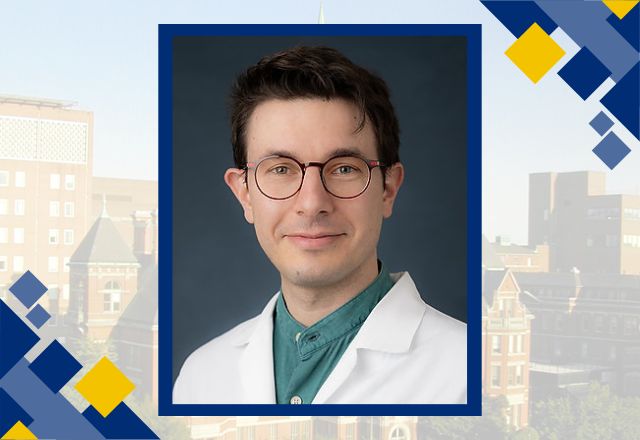
Most cases of HIV persistence in blood following treatment explained by defective copies of the virus
2026-06-08 | Johns Hopkins Medicine News Release | Francesco Simonetti
-
Solving a 15 Year Mystery Scientists Discover How Gut Bacteria Toxin Invades Colon Cells to Trigger Cancer
2026-05-07 | Johns Hopkins Medicine News Release | Cynthia Sears
-
Hopkins Infectious Disease Expert on Why Science Diplomacy Matters Today
2026-04-29 | Johns Hopkins University Bloomberg Center | Amita Gupta

-
10 Insights from the 2026 Science Diplomacy Summit
2026-04-22 | Johns Hopkins University Bloomberg Center | Amita Gupta

-
Johns Hopkins Team Develops Therapeutic, Nasally Delivered DNA Vaccine for Tuberculosis
Research shows the vaccine — in combination with drug therapy — accelerated a relapse-free TB cure in mice, improved activity of a drug-resistant TB regimen and stimulated immune responses in nonhuman primates

-
Screening And Preventive Treatment Program Reduced Tuberculosis Incidence 83% Among Tibetan Children Living in Northern India
Study conducted partially with federal funds shows a comprehensive effort can achieve rapid and sustained reduction of disease transmission and impact in high TB burden areas using existing control measures

-
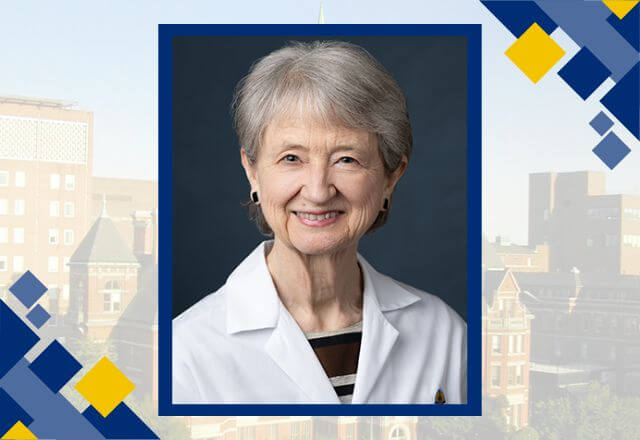
Five Johns Hopkins Medicine Researchers Named Fellows of the American Association for the Advancement of Science
Dr. Noreen Hynes is among the 2025 class of fellows.
-
Johns Hopkins Medicine-led consortium receives $24 million federal grant to find hepatitis B cure
The Johns Hopkins Medicine-led, multinational Hepatitis B and HIV Cure Consortium was recently established through the awarding of a five-year, $24 million grant from the National Institutes of Health’s National Institute of Allergy and Infectious Diseases (NIAID).

-
One Versus Three: Federally Funded Clinical Trial Shows Daily Meds for a Month Comparable to Once Weekly for Three Months to Treat TB
Clinical trial shows a 1-month regimen to treat latent tuberculosis infection is noninferior to 3-month course

-
Federally Funded Clinical Trial Suggests Knowing HIV ‘Viral Load’ Doesn’t Improve Number of Patients Seeking Needed Care
A federally funded clinical trial suggests knowing HIV viral load (number of HIV particles in the body) doesn’t improve the number of patients seeking treatment for active HIV infection or preventive care if uninfected, but at high risk of becoming infected.