Benefits of Telemedicine
Featured Expert

Updated August 4, 2026
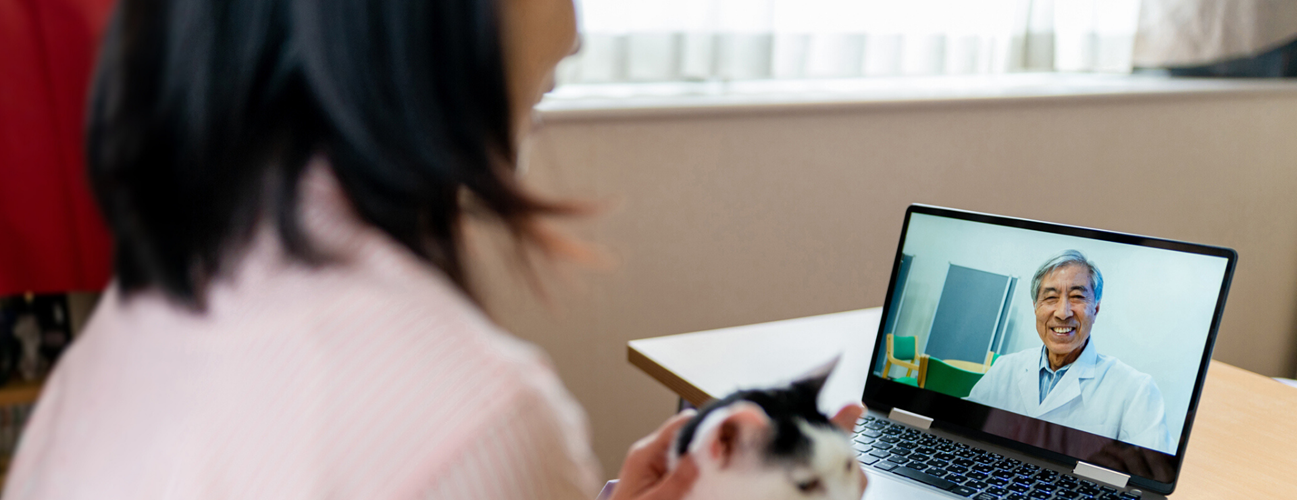
Telemedicine lets you meet with your clinician by video or phone instead of traveling to an office. What began as an emergency measure during the COVID-19 pandemic is now a standing part of how care is delivered: Johns Hopkins Medicine practitioners conduct tens of thousands of virtual visits a month, across primary care and nearly every specialty.
"We are proud of how our clinicians are using telemedicine to expand access to patients. Since March 2020 we have delivered almost 3 million remote visits to patients," says Helen K. Hughes, M.D., M.P.H., medical director for the Johns Hopkins Office of Telemedicine.
The technology has also gotten simpler. There is no app to download — most patients join from a link in MyChart on a phone, tablet or computer.
Key Points
- Telemedicine increases comfort and convenience by allowing patients to meet with health care providers from home, reducing travel, waiting rooms and schedule disruptions.
- Virtual visits help control infectious illness by allowing doctors to prescreen patients remotely and reduce exposure to contagious diseases, protecting vulnerable populations.
- Telemedicine strengthens family involvement by allowing distant family members to join virtual visits (with permission), helping patients share information, ask questions and better understand care plans.
What are the benefits of telemedicine?
Telemedicine, also known as telehealth, offers several advantages.
Comfort and Convenience
You don't have to drive to the clinic, find parking or sit in a waiting room when you feel unwell, and depending on the timing you may not need to take leave from work or arrange child care. Appointments that are easier to attend are appointments people keep — which means problems get caught earlier.
Access to Specialty Expertise
The most valuable virtual visits are often the ones that replace a long trip rather than a short one. Patients who travel to Johns Hopkins for specialty care can frequently handle consultations and follow-ups by video, saving in-person trips for the parts of care that require being here. Telemedicine also works behind the scenes: a community hospital can bring a Johns Hopkins specialist into a case by video, so patients stay close to home rather than transfer.
Better Assessment in Your Own Environment
Seeing you at home gives some practitioners information they can't get in a clinic. An allergist may spot triggers in your surroundings. A physical or occupational therapist can watch how you actually navigate your kitchen or stairs. Your team can ask you to gather your medication bottles and read them aloud, which often surfaces duplicate or discontinued prescriptions.
Mental and Behavioral Health Care
Talk therapy, psychiatric medication management and counseling translate readily to video, and attending from a private space at home removes a real barrier — no absence to explain, no transportation to arrange, no waiting room.
Family and Caregiver Connections
It always helps to have someone with you who can offer information, ask questions and take notes. If that person lives across the country, telemedicine can still include them: during check-in you can share your visit and email a link to a family member or caregiver, entirely at your discretion.
Primary care and chronic condition management
Telemedicine makes regular contact with a primary care practitioner easier to maintain — particularly for visits that are mostly conversation: reviewing lab results, adjusting a medication, checking blood pressure or blood sugar, following up after a hospital stay. For chronic conditions, checking in more often and with less friction often matters more than any single visit.
Care Between Visits
Telemedicine is no longer only about scheduled appointments. Connected devices can send blood pressure, weight, glucose or heart-rhythm readings to your care team between visits, so trends are visible in real time rather than reconstructed later.
Fewer Exposures to Infectious Illness
During respiratory illness season, virtual visits let practitioners assess symptoms and decide on next steps without bringing a contagious patient into a waiting room — which protects everyone in the building, especially people who are pregnant, older, chronically ill or immunocompromised.
Language Access and Accommodations
Professional medical interpreters, American Sign Language interpretation and real-time captioning can all be arranged for a Johns Hopkins virtual visit. Tell the office what you need when you schedule.
What to Expect During Your Cardiology Telemedicine Visit
If you have a heart condition or are having concerning heart-related symptoms, it is important to get the care you need. Telemedicine, or virtual health visits, offers patients an additional option to consult with their physicians.
What to Know Before You Schedule
Telemedicine is an addition to in-person care, not a replacement for it.
- Where you will be matters. Practitioners must be licensed in the state where you are physically located during the visit — not where you live. A visit may not be possible while you are traveling or at school out of state, so you'll be asked to confirm your location when you schedule.
- Some visits need to be in person. Anything requiring a hands-on exam, procedure, imaging or in-office testing belongs in the clinic.
- Check your coverage. Most insurers, including Medicare, cover telemedicine, though specifics vary by plan and continue to change.
- Telemedicine is not for emergencies. For chest pain, difficulty breathing, sudden weakness or numbness, confusion, trouble speaking, or any symptom you think may be life-threatening, call 911 or go to the nearest emergency department.
- Prepare a few minutes early. Testing your camera, microphone and connection beforehand keeps troubleshooting from eating your appointment.
Medically reviewed by Helen K. Hughes, M.D., M.P.H.
Using Telemedicine to Connect to Your Johns Hopkins Doctor and Care Provider
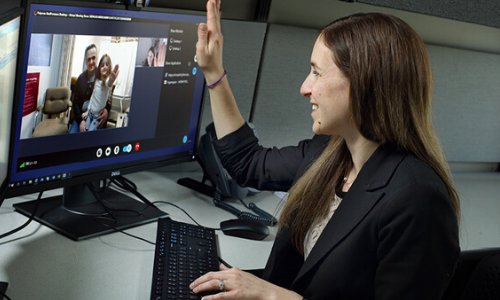
Many existing patients with a MyChart account or new patients now have the option to participate in a live-video appointment, called a video visit, with a Johns Hopkins outpatient primary or specialty care provider.