
Research Lab Results
-
Vestibular and Ocular motor Research Laboratory
Our research is directed toward how the brain controls the movements of the eyes (including eye movements induced by head motion) using studies in normal human beings, patients and experimental animals. The focus is on mechanisms underlying adaptive ocular motor control. More specifically, what are mechanisms by which the brain learns to cope with the changes associated with normal development and aging as well as the damage associated with disease and trauma? How does the brain keep its eye movement reflexes properly calibrated? Our research strategy is to make accurate, quantitative measures of eye movements in response to precisely controlled stimuli and then use the analytical techniques of the control systems engineer to interpret the findings. Research areas: 1) learning and compensation for vestibular disturbances that occur either within the labyrinth or more centrally within the brain, 2) the mechanisms by which the brain maintains correct alignment of the eyes to prevent diplopia and strabismus, and 3) the role of ocular proprioception in localizing objects in space for accurate eye-hand coordination. -
Neuro-Vestibular and Ocular Motor Laboratory
In our laboratory we study the brain mechanisms of eye movements and spatial orientation. -How magnetic stimulation through transcranial devices affects cortical brain regions -Neural mechanisms underlying balance, spatial orientation and eye movement -Mathematical models that describe the function of ocular motor systems and perception of spatial orientation -Short- and long-term adaptive processes underlying compensation for disease and functional recovery in patients with ocular motor, vestibular and perceptual dysfunction Developing and testing novel diagnostic tools, treatments, and rehabilitative strategies for patients with ocular motor, vestibular and spatial dysfunction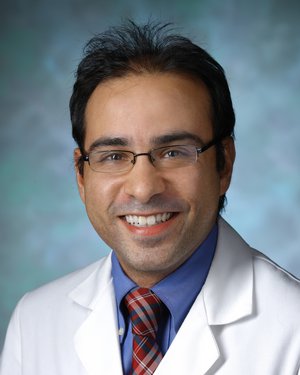
-
NeuroTech & NeuroAI Engineering Laboratory
Our laboratory pioneers innovations at the intersection of precision neurology, neuroengineering, artificial intelligence, and data science. We develop advanced neural-AI interfaces, autonomous wearable neurotechnologies, and immersive augmented and virtual reality platforms incorporating novel multimodal neuron-sensing technologies designed to personalize diagnostics, enhance therapeutic interventions, and optimize neurological rehabilitation. Leveraging computational neuroscience, AI, and applied data science, we generate robust digital biomarkers to monitor and treat neurologic diseases in real-time. Through interdisciplinary collaborations, we aim to transform clinical practice by providing precise, interactive, and personalized neurologic care that dramatically improves patient outcomes.