Research Lab Results
-
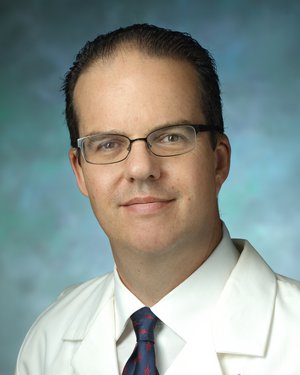
Bryan Lau Lab
The Bryan Lau Lab is interested in epidemiological and statistical methods for cohort studies and the application of these methods primarily to HIV cohort studies. We’re particularly interested in developing new methods and using approaches from other disciplines as novel solutions to specific epidemiologic issues. -
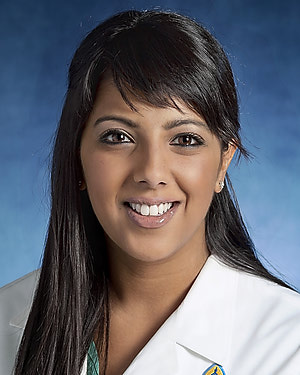
Bhakti Hansoti Lab
Research in the Hansoti Lab centers on the intersection of public health interventions for vulnerable populations and emergency department care. The lab employs implementation science methodologies, with a particular emphasis on mixed-methods research to design, develop, and evaluate innovative, evidence-based strategies that support socially vulnerable patients.
In South Africa, the team is pioneering strategies to enhance HIV prevention and intervention delivery within emergency departments, focusing on improving HIV service delivery for patients missed within the health system and delivering preventative care strategies to patients at high risk of HIV acquisition. These efforts are concentrated at Tygerberg Hospital and Gugulethu Clinic, in partnership with the Desmond Tutu HIV Foundation.
Domestically, the lab conducts research on opioid use disorder (OUD), specifically addressing post-discharge health system challenges related to linkage to care and retention for patients prescribed medications for opioid use disorder (MOUD). This includes addressing social determinants of health to strengthen HIV services for patients who present to the ED.
Additionally, Dr. Hansoti has a dedicated focus on surveillance strategies for high-consequence pathogens in emergency departments. She serves as the Principal Investigator for the Clinical Characterization Protocol for Severe Emerging Infections (CCPSEI) and manages cohorts for both COVID-19 and mpox, in collaboration with experts in public health, epidemiology, and infectious diseases from the Johns Hopkins School of Public Health.
-
Duvuru Geetha Lab
Dr. Geetha’s team focuses on renal diseases in patients with systemic vasculitis as well as BK virus nephropathy in patients who have undergone renal transplant. Our studies include clinical trials on the effectiveness of rituximab versus cyclosporine in treating idiopathic membranous nephropathy and a multinational study of belimumab with azathioprine for maintaining remission of granulomatosis with polyangiitis and microscopic polyangiitis. We also have conducted research on the treatment of ANCA vasculitis, particularly in kidney transplant patients.
-
Eric McCollum Lab
Research in the Eric McCollum Lab focuses on pediatric pulmonary medicine, particularly pulmonary diseases among children in undeveloped, low-resource countries. We are taking part in the IMPACT trial, which looks at the impact of bubble continuous positive airway pressure (bCPAP) on the mortality of Malawian children with pneumonia.
-
Elisseeff Lab
The mission of the Elisseeff Lab is to engineer technologies to repair lost tissues. We aim to bridge academic research and technology discovery to treat patients and address clinically relevant challenges related to tissue engineering. To accomplish this goal we are developing and enabling materials, studying biomaterial structure-function relationships and investigating mechanisms of tissue development to practically rebuild tissues. The general approach of tissue engineering is to place cells on a biomaterial scaffold that is designed to provide the appropriate signals to promote tissue development and ultimately restore normal tissue function in vivo. Understanding mechanisms of cellular interactions (both cell-cell and cell-material) and tissue development on scaffolds is critical to advancement of the field, particularly in applications employing stem cells. Translation of technologies to tissue-specific sites and diseased environments is key to better design, understanding, and ultimately efficacy of tissue repair strategies. We desire to translate clinically practical strategies, in the form of biomaterials/medical devices, to guide and enhance the body's natural capacity for repair. To accomplish the interdisciplinary challenge of regenerative medicine research, we maintain a synergistic balance of basic and applied/translational research. -
Eberhart, Rodriguez and Raabe Lab
Utilizing a combination of tissue-based, cell-based, and molecular approaches, our research goals focus on abnormal telomere biology as it relates to cancer initiation and tumor progression, with a particular interest in the Alternative Lengthening of Telomeres (ALT) phenotype. In addition, our laboratories focus on cancer biomarker discovery and validation with the ultimate aim to utilize these novel tissue-based biomarkers to improve individualized prevention, detection, and treatment strategies. -
Eberhart, Rodriguez and Raabe Lab
Utilizing a combination of tissue-based, cell-based, and molecular approaches, our research goals focus on abnormal telomere biology as it relates to cancer initiation and tumor progression, with a particular interest in the Alternative Lengthening of Telomeres (ALT) phenotype. In addition, our laboratories focus on cancer biomarker discovery and validation with the ultimate aim to utilize these novel tissue-based biomarkers to improve individualized prevention, detection, and treatment strategies. -
Yukari Manabe Lab
Investigators in the Yukari Manabe Lab evaluate the accuracy of rapid, point-of-care diagnostics for HIV, tuberculosis and related infectious diseases in resource-limited settings particularly sub-Saharan Africa and examine the impact of diagnostic interventions on disease detection and patient outcomes. The team also conducts operational and translational research in tuberculosis and HIV co-infection.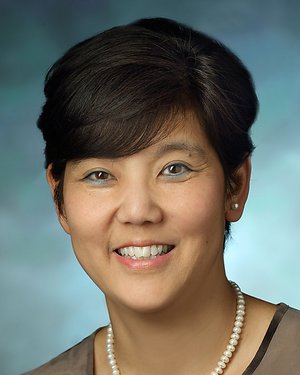
-
Wendy Bennett Lab
I am a primary care doctor and public health researcher committed to improving women’s health and health care across their lives and improving gender and racial equity.
I am an Associate Professor of Medicine in The Johns Hopkins University School of Medicine, Division of General Internal Medicine. My research focuses on identifying strategies to prevent and manage obesity and type 2 diabetes and cardiovascular disease, particularly among women at highest risk due to pregnancy complications. I conduct pragmatic and community-based randomized controlled trials to test high impact and scalable strategies to reduce excessive weight gain in pregnancy, reduce postpartum weight retention and cardiometabolic risk.
I hold several leadership positions, and I am the Director of Research at Johns Hopkins Community Physicians, the Co-Director of the Johns Hopkins Center for Women’s Health, Sex and Gender Research and a Core Faculty Member of the Welch Center for Prevention, Epidemiology and Clinical Research.

-
William B. Isaacs Laboratory
Prostate cancer is the most commonly diagnosed malignancy in men in the United States, although our understanding of the molecular basis for this disease remains incomplete. We are interested in characterizing consistent alterations in the structure and expression of the genome of human prostate cancer cells as a means of identifying genes critical in the pathways of prostatic carcinogenesis. We are focusing on somatic genomic alterations occurring in sporadic prostate cancers, as well as germline variations which confer increases in prostate cancer risk. Both genome wide and candidate gene approaches are being pursued, and cancer associated changes in gene expression analyses of normal and malignant prostate cells are being cataloged as a complementary approach in these efforts. It is anticipated that this work will assist in providing more effective methodologies to identify men at high risk for this disease, in general, and in particular, to identify new markers of prognostic and therapeutic significance that could lead to more effective management of this common disease.