Find a Research Lab

Research Lab Results

Results per page:

  • Kalina Hristova Lab

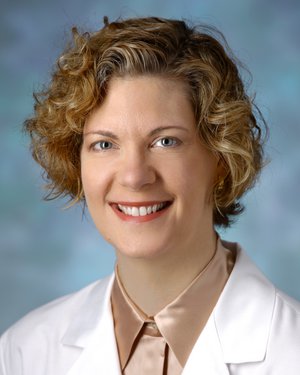
    The Kalina Hristova Lab investigates the structure and assembly of biological membranes. Our team conducts research on the structural and thermodynamic principles that enable membrane protein folding and signal transduction across biological membranes. Part of our work has involved developing new tools to study the structure of thermally disordered fluid membranes and the energetics of biomolecular interactions in biological membranes. Through our studies, we have established a better understanding of the physical principles behind complex biological processes and the mechanisms of disease development in humans.

    Principal Investigator

    Kalina A. Hristova, PhD

    Department

    Biomedical Engineering

  • Brain Science Institute (BSi)

    The Brain Science Institute (BSi) brings together both basic and clinical neuroscientists from across the Johns Hopkins campuses. The BSi represents one of the largest and most diverse groups in the university. The BSi's mission is to solve fundamental questions about brain development and function and to use these insights to understand the mechanisms of brain disease. This new knowledge will provide the catalyst for the facilitation and development of effective therapies. The goals of our research are to foster new programs in basic neuroscience discovery; initiate a translational research program that will develop new treatments for brain-based diseases; and encourage collaboration, interdisciplinary teams, and new thinking that will have a global influence on research and treatment of the nervous system.
  • Tom Woolf Lab

    The Tom Woolf Lab studies the quarter of the genome devoted to membrane proteins. This rapidly growing branch of bioinformatics, which includes computational biophysics, represents the main research direction of our group. We aim to provide insight into critical issues for membrane systems. In pursuit of these goals, we use extensive computer calculations to build an understanding of the relations between microscopic motions and the world of experimental measurements. Our calculations use our own Beowulf computer cluster as well as national supercomputer centers. An especially strong focus has been on the computed motions of proteins and all-atom models of the lipid bilayers that mediate their influence. To compute these motions, we use the molecular dynamics program CHARMM. We hope to use our understanding of the molecular motions for the prediction of membrane protein structures using new computational methods.
  • Stivers Lab

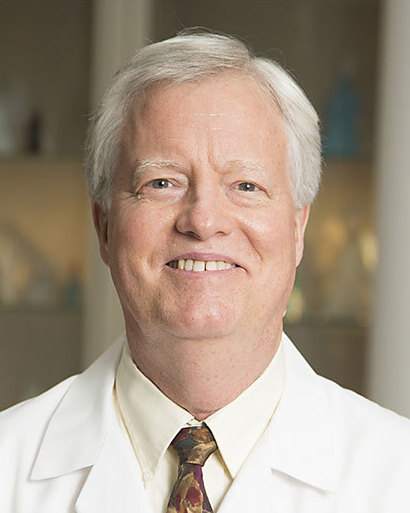
    The Stivers Lab is broadly interested in the biology of the RNA base uracil when it is present in DNA. Our work involves structural and biophysical studies of uracil recognition by DNA repair enzymes, the central role of uracil in adapative and innate immunity, and the function of uracil in antifolate and fluoropyrimidine chemotherapy. We use a wide breadth of structural, chemical, genetic and biophysical approaches that provide a fundamental understanding of molecular function. Our long-range goal is to use this understanding to design novel small molecules that alter biological pathways within a cellular environment. One approach we are developing is the high-throughput synthesis and screening of small molecule libraries directed at important targets in cancer and HIV-1 pathogenesis.