Research Lab Results
-
Maqbool Dada Lab
The Maqbool Dada Lab studies operations management, supply chain management and pricing models. Our team has investigated topics such as financial risk in the Medicare prospective payment system and sourcing decisions under capacity reservation agreements. Our current research includes exploring customer-based tradeoffs in service facility design.
-
Marcia Canto Lab
Research interests in the Marcia Canto Lab include pancreatic neoplasms, Barrett’s esophagus and endomicroscopy. We are also interested in the use of endoscopic ultrasound to identify early-stage pancreatic cancer and its precursors.
-
Marek Mirski Lab
Work in the Marek Mirski lab explores the subcortical mechanisms of seizure propagation and cortical synchrony. The primary goal of our research is to develop methodologies for inhibiting seizures using site-specific subcortical electrical stimulation. Our identification of synaptically linked subcortical elements that contribute to seizure propagation has led to FDA-sanctioned phase III clinical trials to assess the use of targeted thalamic stimulation in patients with intractable seizures. We also conduct clinical research on the treatment of acute head injury, elevated intracranial pressure, cerebral edema, ischemic stroke and ICU sedation. -
Marie Hanna Lab
The Marie Hanna Lab conducts research on key topics within the field of anesthesiology. Our interests include both regional and obstetric anesthesia as well as patient-controlled analgesia, pain measurement, post-operative pain and acute pain management. Examples of our work include researching whether a surgery patient’s perception of pain control affects his or her satisfaction level and a comparison of air and liquid for use in the loss-of-resistance technique during labor epidurals.
-
Marie-France Penet Lab
The Penet lab is within the Division of Cancer Imaging Research in the Department of Radiology and Radiological Science. The lab research focuses on using multimodal imaging techniques to better understand the microenvironment and improve cancer early detection, especially in ovarian cancer. By combining MRI, MRS and optical imaging, we are studying the tumor microenvironment to understand the role of hypoxia, tumor vascularization, macromolecular transport and tumor metabolism in tumor progression, metastasis and ascites formation in orthotopic models of cancer. We also are studying the role of tumor-associated macrophages in tumor progression. -
Mark Dredze Lab
The Mark Dredze Lab investigates topics such as natural language processing, speech, machine learning and intelligent user interfaces. Our team is currently exploring several key health information applications, including information extraction from social media and biomedical and clinical texts. Our recent research in these areas include vaccine communication during the Disneyland measles outbreak; the validity of online drug forums for estimating trends in drug use; and the use of Twitter to examine social rationales for vaccine refusal.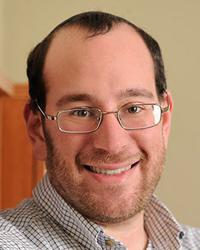
Principal Investigator
-
Mark Hughes Lab
Research in the Mark Hughes Lab focuses on clinical and research ethics as well as clinical bioethics, ambulatory care, philosophy of medicine and palliative care.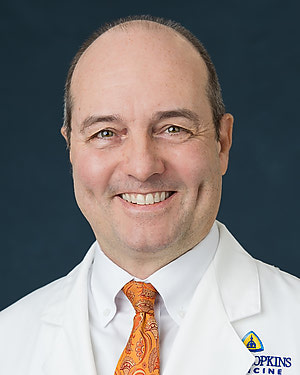
-
Mark Lazarev Lab
The Mark Lazarev Lab performs clinical research on Inflammatory Bowel Disease.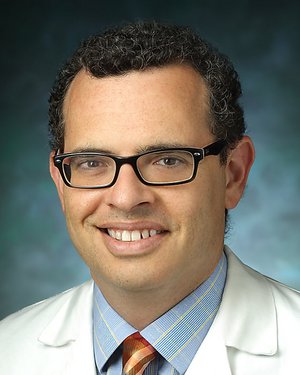
-
Mark Levis Laboratory
Our broad research goals are to identify and validate novel molecular therapeutic targets in hematopoietic malignancies. We are interested in the identification and pre-clinical development of novel targeted therapies, and, in particular, the “translational” step of this research by using correlative studies to incorporate these novel therapies into existing treatments. Our research is of particular interest to those who wish to be involved in directly translating the results of laboratory bench work into meaningful benefits for patients. Currently, we are actively involved in the pre-clinical and clinical development of small molecule kinase inhibitors targeting the FLT3 signaling pathway in acute myeloid leukemia. We are interested in 3 compounds in particular- AC220, a FLT3/KIT inhibitor; crenolanib,a selective FLT3 inhibitor with activity against resistant point mutations; and PLX3397, another inhibitor of KIT and FLT3. The active projects in the lab include: 1) Characterization of cytotoxic responses of different hematologic malignancies to FLT3 and KIT kinase inhibition; 2) Examination of the interaction of bone marrow stroma and stroma-derived cytokines on the efficacy of these inhibitors; 3) Examination of the differential effect of FLT3 inhibition versus combined FLT3/KIT inhibition on acute myeloid leukemia and bone marrow progenitor cells; and 4) Correlative laboratory studies using blood and marrow samples from patients treated with FLT3 inhibitors, with the aim of developing predictive models for clinical response.
-
Mark Liu Lab
Research in the Mark Liu Lab explores several areas of pulmonary and respiratory medicine. Our studies primarily deal with allergic inflammation, chronic obstructive pulmonary disease (COPD) and asthma, specifically immunologic responses to asthma. We have worked to develop a microfluidic device with integrated ratiometric oxygen sensors to enable long-term control and monitoring of both chronic and cyclical hypoxia. In addition, we conduct research on topics such as the use of magnetic resonance angiography in evaluating intracranial vascular lesions and tumors as well as treatment of osteoporosis by deep sea water through bone regeneration.