Research Lab Results
-
Jennifer Foulke-Abel Lab
The Jennifer Foulke-Abel Lab engages in basic and translational research focused on how intestinal epithelia interface with their environment. Our work is powered by human adult stem cell-derived intestinal organoids, which capture the unique genetic and phenotypic traits of an individual and enable a personalized approach to understanding epithelial pathophysiology. One project in the lab centers on dissecting the factors involved in mucosal recognition of pathogenic bacteria with the goal to optimize vaccine engineering. A second area of interest is characterizing the altered intestinal stem cell programming associated with dietary nutrient absorption and hormone secretion in obesity to tailor weight-loss therapies.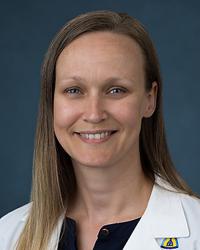
-
Grayson Lab for Craniofacial and Orthopaedic Tissue Engineering
The Grayson Lab focuses on craniofacial and orthopaedic tissue engineering. Our research addresses the challenges associated with spatio-temporal control of stem cell fate in order to engineer complex tissue constructs. We are developing innovative methods to guide stem cell differentiation patterns and create patient-specific grafts with functional biological and mechanical characteristics. We employ engineering techniques to accurately control growth factor delivery to cells in biomaterial scaffolds as well as to design advanced bioreactors capable of maintaining cell viability in large tissue constructs. These technologies are used to enable precise control of the cellular microenvironment and uniquely address fundamental questions regarding the application of biophysical cues to regulate stem cell differentiation. -
Clare Rock Lab
Dr. Clare Rock is an assistant Professor of Medicine, Division of Infectious Diseases at the Johns Hopkins University School of Medicine, Associate hospital Epidemiologist at the Johns Hopkins Hospital, and Faculty Member at Armstrong Institute for Patient Safety and Quality. Her research interest focuses the prevention of pathogen transmission in the hospital environment. This includes novel strategies of improving patient room cleaning and disinfection, including human factors engineering approaches, and conducting robust clinical trials to examine effectiveness of ""no touch"" novel technologies such as UV-C light. She has particular interest in carbapenem-resistant Enterobacteriaceae transmission in the hospital environment, including outbreak management, and transmission and epidemiology of Clostridium difficile. Her other area of interest is diagnostic stewardship, and the behavioral, cultural and human factors aspects of implementation of initiatives to enhance appropriate use of diagnostic tests. She leads a national initiative, as part of the High Value Practice Academic Alliance, examining strategies for appropriate testing for Clostridium difficile. This is a wider implementation of work that Dr. Rock conducted with The Johns Hopkins Health System facilities. Dr. Rock has multiple sources of grant funding including from the Agency of Healthcare Research and Quality, Centers for Disease Control and Prevention, and industry. Dr. Rock is Vice Chair of the Society for Healthcare Epidemiology of America Research Network, and serves on the SHEA research committee. Dr. Rock earned her M.B.B.Ch. at the University College Dublin School of Medicine, National University of Ireland, and her MS masters of clinical science of research at the University of Maryland, where she received the MS scholar award for epidemiology. -
Cheryl Dennison Himmelfarb Lab
Research in the Cheryl Dennison Lab aims to improve cardiovascular care for high-risk groups through multidisciplinary and health information technology-based methods. Our studies focus on reducing system and provider obstacles to implementing cardiovascular guidelines in various health care environments. Additional research interests include chronic illness management, quality of care, interdisciplinary teamwork and provider behavior. -
Grant (Xuguang) Tao Lab
Research in the Grant (Xuguang) Tao Lab explores environmental and occupational epidemiology topics, including workers' compensation and injuries, and nosocomial infections. We conduct research through clinical trials and systematic literature reviews, and also use cancer registry data and GIS applications in environmental epidemiological research. Our recent studies have explored topics such as the effectiveness of lumbar epidural steroid injections following lumbar surgery, the effect of physician-dispensed medication on workers' compensation claim outcomes and how the use of opioid and psychotropic medications for workers' compensation claims impacts lost work time.
-
Gregory Diette Laboratory
The Gregory Diette Laboratory studies the epidemiology of lung diseases. Our focus is on asthma, chronic obstructive pulmonary disease (COPD) and environmental causes of lung disease, including allergens and particulate matter.
-
Craig Pollack Lab
Research in the Craig Pollack Lab focuses on cancer prevention and control, particularly prostate cancer. Our work aims to understand how the organization environment of health care affects the type and quality of care that patients receive. Other work investigates the broader social context of health and health care— specifically housing, financial hardship and socioeconomic status.
-
Brendan Cormack Laboratory
The Brendan Cormack Laboratory studies fungal pathogenesis, particularly the host-pathogen interaction for the yeast pathogen Candida glabrata. We are trying to identify virulence genes (genes that evolved in response to the host environment) by screening transposon mutants of C. glabrata for mutants that are specifically altered in adherence to epithelial cells, in survival in the presence of macrophages and PMNs. We also screen mutants directly in mice for those unable to colonize or persist in the normal target organs (liver, kidney and spleen). We also focus research on a family of genes--the EPA genes--that allow the organism to bind to host cells. Our research shows that a subset of them are able to mediate adherence to host epithelial cells. We are trying to understand the contribution of this family to virulence in C. glabrata by figuring out what the ligand specificity is of different family members, how genes are normally regulated during infection, and what mechanisms normally act to keep the genes transcriptionally silent and how that silence is regulated.
-
Deidra Crews Lab
Dr. Crews’ team focuses on health disparities in chronic kidney disease. We have studied how social determinants of health, such as poverty and healthful food access, affect disparities in kidney disease outcomes. Our research on end-stage renal disease includes studies of the best timing and environment to initiate dialysis among vulnerable populations.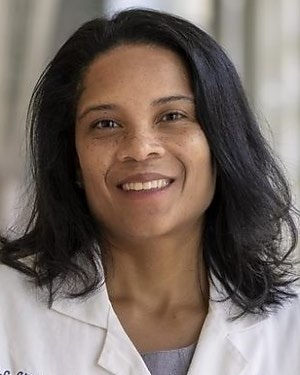
-
Benjamin Bodnar Lab
Research in the Benjamin Bodnar Lab focuses on global health, particularly the application of quality-improvement techniques in resource-limited and developing health care environments. Lab work utilizes insights gained through Dr. Bodnar's past work with projects including Partners in Health, The Millennium Villages Project and the Mulago University-Yale University Collaboration in Uganda.