Research Lab Results
-
Neuro-Oncology Surgical Outcomes Laboratory
Directed by Debraj “Raj” Mukherjee, MD, MPH, the laboratory focuses on improving access to care, reducing disparities, maximizing surgical outcomes, and optimizing quality of life for patients with brain and skull base tumors.
The laboratory achieves these aims by creating and analyzing institutional and national databases, developing and validating novel patient-centered quality of life instruments, leveraging machine learning and artificial intelligence platforms to risk-stratify vulnerable patient populations, and designing novel surgical trials to push the boundaries of neurosurgical innovation.
Our research also investigates novel approaches to improve neurosurgical medical education including studying the utility of video-based surgical coaching and the design of new operative instrumentation.
-
Natasha Chida Lab
The Natasha Chida Lab investigates methods for using education and curriculum development to improve patient outcomes worldwide, primarily by optimizing education of physicians-in-training. Most recently, our team has worked to develop and evaluate an assessment tool for evaluating internal medicine residents’ understanding of tuberculosis diagnostics. Previous research includes a retrospective cohort study on the high proportion of extrapulmonary TB in a low-prevalence setting as well as an analysis of ways to define clinical excellence in adult infectious disease practice.
-
Michael Melia Lab
Research in the Michael Melia Lab focuses primarily on nocardia infections, Lyme disease and hepatitis C. Our studies have included key topics such as risk factors for incident infections during hepatitis C treatment, racial differences in eligibility for hepatitis C treatment and misdiagnosis of Lyme arthritis using the Borrelia burgdorferi immunoblot testing method. We also have a longstanding interest in medical education and work on curriculum to improve the quality of education for medical students and interns.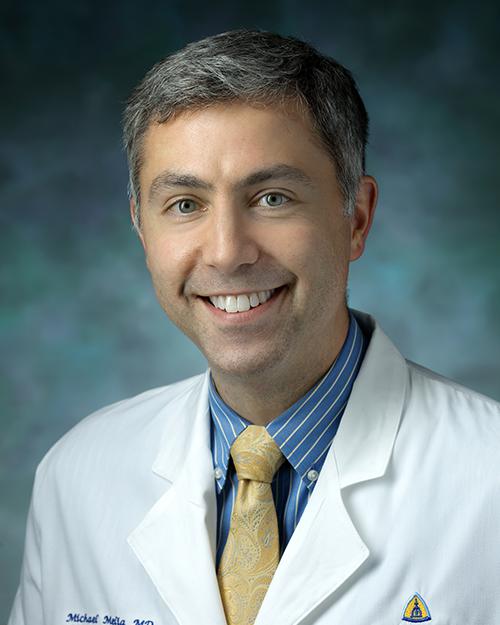
-
Henry Fessler Lab
Research in the Henry Fessler Lab is focused on pulmonary medicine. We are interested in heart-lung interaction, mechanical ventilation and lung mechanics. We’re also interested in medical education and recently examined contemporary strategies for effective lecturing. -
Stephen Sisson Lab
The Stephen Sisson Lab focuses on medical education, community outreach and ambulatory care. We recently demonstrated concurrent validity between performance on an ambulatory curriculum, the Internal Medicine In-Training Examination (IM-ITE) and the American Board of Internal Medicine Certifying Examination (ABIM-CE). -
Samuel Durso Lab
The Samuel Durso Lab researches effective education models for preparing the next generation of geriatric educators. Specifically, we have developed and evaluated the ""Train the Trainer"" program to prepare faculty to teach geriatric medicine.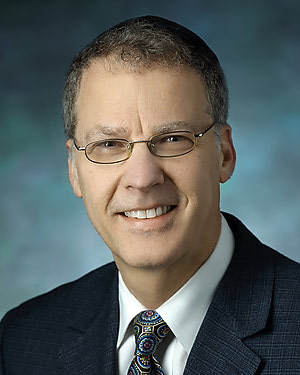
-
Sara Mixter Lab
Research in the Sara Mixter Lab focuses on primary care medical education, particularly quality improvement, high-value care and care transitions for adolescents with developmental disabilities and other special health care needs.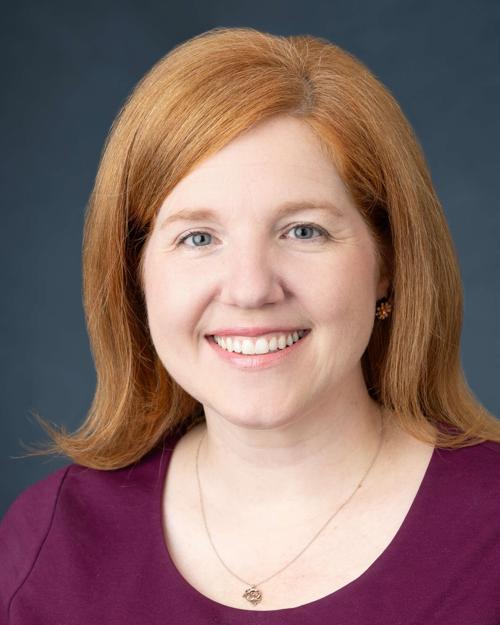
-
Sanjay Desai Lab
Research in the Sanjay Desai Lab focuses primarily on clinical outcomes in survivors of critical illnesses, such as acute lung injury. We also investigate techniques to improve graduate medical education and are conducting a clinical trial on the comparative effectiveness of models that optimize patient safety and resident education. Our research examines factors such as residency work-hour reform, hand hygiene practices and the use of etiquette-based communication.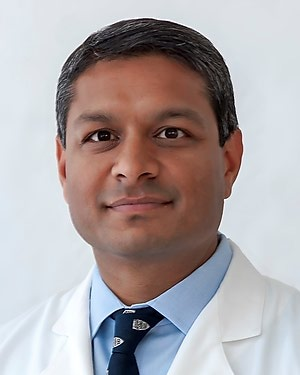
-
Sarah Clever Lab
Work in the Sarah Clever Lab focuses on medical education, patient-provider communication and the role of shared decision-making in patient recovery. We recently examined the ethical dilemmas of caring for “influential” patients whose attributes and characteristics (for example, social status, occupation, or position), coupled with their behavior, have the potential to significantly affect a clinician's judgment or actions.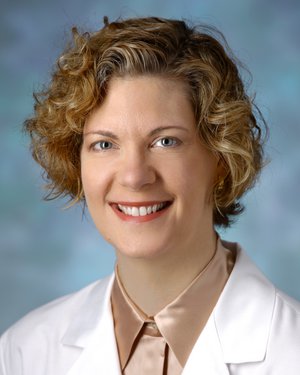
-
Sean Tackett Lab
Research in the Sean Tackett Lab explores methods for assessing and improving medical education. Our recent work has included the design of an evaluation framework for World Federation of Medical Education basic standards for medical education. We also have participated in a student-driven initiative to develop a global health education program at the Johns Hopkins University School of Medicine.