Research Lab Results
-
NeuroTech & NeuroAI Engineering Laboratory
Our laboratory pioneers innovations at the intersection of precision neurology, neuroengineering, artificial intelligence, and data science. We develop advanced neural-AI interfaces, autonomous wearable neurotechnologies, and immersive augmented and virtual reality platforms incorporating novel multimodal neuron-sensing technologies designed to personalize diagnostics, enhance therapeutic interventions, and optimize neurological rehabilitation. Leveraging computational neuroscience, AI, and applied data science, we generate robust digital biomarkers to monitor and treat neurologic diseases in real-time. Through interdisciplinary collaborations, we aim to transform clinical practice by providing precise, interactive, and personalized neurologic care that dramatically improves patient outcomes. -
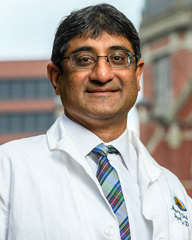
Maunank Shah Lab
Work in the Maunank Shah Lab focuses on infectious disease modeling and health economics, and seeks to investigate new strategies for diagnosing HIV and tuberculosis (TB) in areas with limited resources, both domestically and abroad. Our primary focus is TB diagnostics, with studies examining the diagnostic test accuracy, cost-effectiveness and programmatic impact of emerging diagnostics. We have developed mobile health initiatives to incorporate video-based therapy for TB treatment, and we have a longstanding interest in interventions that help to reduce or prevent HIV transmission. -
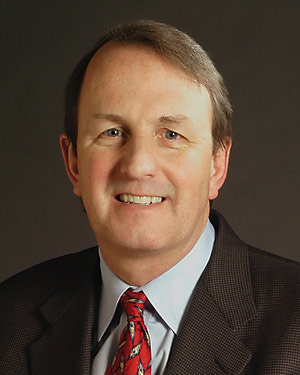
Richard Chaisson Lab
Research in the Richard Chaisson Lab primarily examines tuberculosis and HIV infection, with specific focus on global epidemiology, clinical trials, diagnostics and public health interventions. Our recent research has involved evaluating a molecular diagnostic test for tuberculosis in HIV patients; observing TB responses during treatment of pulmonary tuberculosis; and examining antiretroviral therapy adherence, virologic and immunologic outcomes in adolescents compared with adults in Southern Africa.