Research Lab Results
-
Robert Wise Lab
The Robert Wise Lab conducts clinical trials to study chronic obstructive lung diseases (COPD). We investigate inhaled corticosteroids in patients with mild to moderate COPD and the effectiveness of anti-inflammatories in allowing lung growth in mild to moderate asthmatic children. Our research includes exploring the efficacy of various treatments for asthmatic women who are pregnant and of lung-volume reduction surgery for emphysema patients. We also conduct studies of the clinical epidemiology, pathobiology and treatment of interstitial lung disease in patients with scleroderma.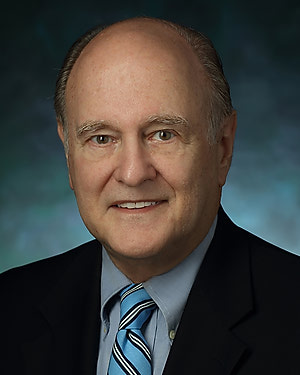
-
Raul Chavez-Valdez Lab
Dr. Raul Chavez-Valdez is an assistant professor in the Department of Pediatrics with great interest in the mechanisms of delayed injury and repair/regeneration in the developing neonatal brain following injury, specifically following hypoxic-ischemic encephalopathy (birth asphyxia). He collaborates with Dr. Frances Northington (Pediatrics) and Dr. Lee Martin (Pathology/Neuroscience) in unveiling the importance of programmed necrosis in the setting of brain injury induced by birth asphyxia. He is especially interested in the role of brain derived neurotrophic factor and neurotrophin-4 following birth asphyxia and the changes that may explain the suspected excitatory/ inhibitory (E/I) imbalance particularly in the hippocampus. His work is highly translational since delayed hippocampal injury due to E/I imbalance may explain memory deficits observed despite therapeutic hypothermia in neonates suffering birth asphyxia. All of these aspects of developmental neuroplasticity are the base of his Career Development Award (NIH/NINDS-K08 award) and applications to other agencies. Additionally, he is part of multiple clinical efforts as part of the Neuroscience Intensive Care Nursery (NICN). He has been a Sutland-Pakula Endowed Fellow of Neonatal Research since September 2013. -
Rachel Damico Lab
Work in the Rachel Damico Lab explores topics within the fields of vascular biology and pulmonary medicine, with a focus on acute lung injury and apoptosis in lung diseases. Our studies have included examining idiopathic and scleroderma-associated pulmonary arterial hypertension, vascular receptor autoantibodies, and the link between inflammation and the Warburg phenomenon in patients with pulmonary arterial hypertension. We have also researched the inhibitory factor of macrophage migration and its governing of endothelial cell sensitivity to LPS-induced apoptosis. -
Sanjay Desai Lab
Research in the Sanjay Desai Lab focuses primarily on clinical outcomes in survivors of critical illnesses, such as acute lung injury. We also investigate techniques to improve graduate medical education and are conducting a clinical trial on the comparative effectiveness of models that optimize patient safety and resident education. Our research examines factors such as residency work-hour reform, hand hygiene practices and the use of etiquette-based communication.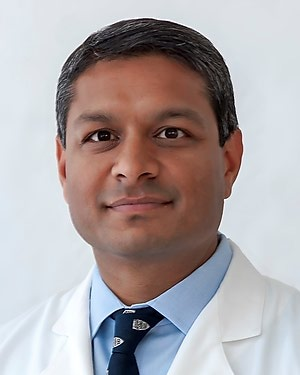
-
Sapna Kudchadkar Lab
Work in the Sapna Kudchadkar Lab focuses on the impact of sleep disturbances on critically ill children and the impact of sleep promotion, optimizing sedation and preventing delirium in pediatric critical care patients. We're investigating the effects of critical illness on sleep-wake cycles during short- and long-term recovery using actigraphy. -
Asad Latif Lab
Research in the Asad Latif Lab focuses on patient safety and quality improvement. Our key interests include preventing hospital-acquired infections and improving health systems, the evaluation and prevention of healthcare errors and the utility of telemedicine in intensive care units. One recent study focused on reducing medication errors (the single most common type of error in healthcare) related to drug formulation in the intensive care unit. -
Jonathan Jun Lab
The Jonathan Jun Lab studies the function of lipolysis in intermittent hypoxia-induced insulin resistance.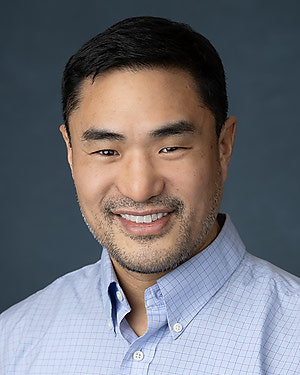
-
Charles Hugh Brown Lab
The Charles Hugh Brown Lab researches cognitive dysfunction, with a focus on quality of care and outcomes regarding perioperative management of older patients. Our studies explore post-operative delirium, cognitive changes and transfusion practices. We also have a longstanding interest in cerebral autoregulation and its role in post-surgical outcomes. -
Courtney Robertson Lab
Work in the Courtney Robertson Lab is focused on identifying interventions that could minimize the neurological deficits that can persist after pediatric traumatic brain injury (TBI). One study used a preclinical model to examine potential disruption of mitochondrial function and alterations in cerebral metabolism. It was found that a substantial amount of mitochondrial dysfunction is present in the first six hours after TBI. In addition, we are using nuclear magnetic resonance spectroscopy to evaluate global and regional alterations in brain metabolism after TBI. We're also collaborating with researchers at the University of Pennsylvania to compare mitochondrial function after head injury in different clinically relevant models. -
Elizabeth Daugherty Lab
The Elizabeth Daugherty Lab conducts research on patient safety, critical care infection control and critical care disaster response. We investigate methods of improving patient safety through improved infection control, with a focus on clinical outcomes, nosocomial infection rates and the individual and organizational obstacles to personal protective equipment adherence.