Research Lab Results
-
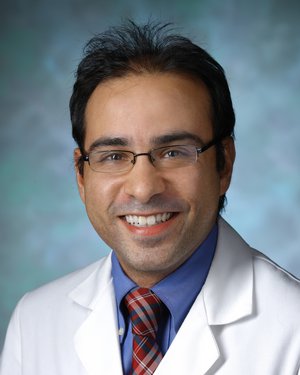
Laura Hummers Lab
The Laura Hummers Lab participates in a number of clinical trials and clinical investigations at the Scleroderma Center at Johns Hopkins. We have a particular interest in the predictors of outcomes in scleroderma. We’ve established a prospective cohort of 300 scleroderma patients to identify incident vascular outcomes in the hopes of identifying new biomarkers for disease development and progression. -
Leucker Laboratory
The Leucker Laboratory is a translational cardiovascular research program dedicated to understanding the mechanisms underlying residual atherosclerotic cardiovascular disease risk and developing innovative strategies for cardiovascular prevention. Our work integrates human vascular biology, advanced cardiovascular imaging, epidemiology, and clinical trials to uncover the pathways linking inflammation, lipoproteins, endothelial dysfunction, and cardiometabolic disease to cardiovascular outcomes.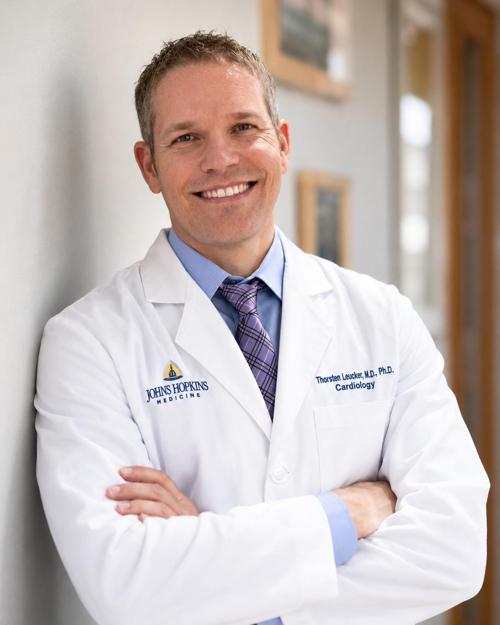
Principal Investigator
-
Nada Alachkar Lab
Dr. Alachkar's research focuses on recurrent glomerular diseases post kidney transplantation. In particular, she has been studying recurrent FSGS post kidney transplant in several, partially NIH funded, prospective research projects that focuses on circulating factors associate with recurrent FSGS and new therapies of recurrent FSGS; in addition to the outcome of the disease. Also, Dr. Alachkar is the Chair of Banff recurrent GN working group that focus on the pathological changes of recurrent GN.
Dr. Alachkar's other research focus is incompatible living and diseases donor transplant. She has several ongoing research studies that focus on AMR and the outcome of patients with positive donor specific antibodies.
-
Noah Lechtzin Lab
Research in the Noah Lechtzin Lab investigates several important aspects of cystic fibrosis (CF), including the impact of antibiotic-resistant bacterial infections in CF patients and new therapy options for individuals with CF. Our research into new CF therapies has included studies on home electronic symptom and lung function monitoring, transbronchial needle aspiration and bedside percutaneous endoscopic gastrostomy tube placement. We also explore the role of metabolic complications in CF patients by examining how the disease is impacted by factors such as vitamin D deficiency, osteoporosis and testosterone deficiency.
-
Neuro-Oncology Surgical Outcomes Laboratory
Directed by Debraj “Raj” Mukherjee, MD, MPH, the laboratory focuses on improving access to care, reducing disparities, maximizing surgical outcomes, and optimizing quality of life for patients with brain and skull base tumors.
The laboratory achieves these aims by creating and analyzing institutional and national databases, developing and validating novel patient-centered quality of life instruments, leveraging machine learning and artificial intelligence platforms to risk-stratify vulnerable patient populations, and designing novel surgical trials to push the boundaries of neurosurgical innovation.
Our research also investigates novel approaches to improve neurosurgical medical education including studying the utility of video-based surgical coaching and the design of new operative instrumentation.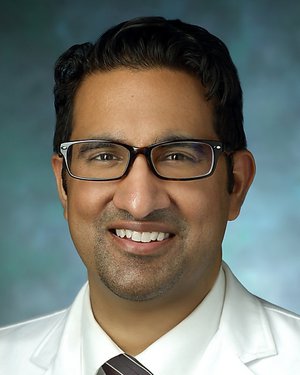
-
Nicholas Flavahan Lab
The Nicholas Flavahan Lab primarily researches the cellular interactions and subcellular signaling pathways that control normal vascular function and regulate the initiation of vascular disease. We use biochemical and molecular analyses of cellular mediators and cell signaling mechanisms in cultured vascular cells, while also conducting physiological assessments and fluorescent microscopic imaging of signaling systems in isolated blood vessels. A major component of our research involves aterioles, tiny blood vessles that are responsible for controlling the peripheral resistance of the cardiovascular system, which help determine organ blood flow. -
Vestibular and Ocular motor Research Laboratory
Our research is directed toward how the brain controls the movements of the eyes (including eye movements induced by head motion) using studies in normal human beings, patients and experimental animals. The focus is on mechanisms underlying adaptive ocular motor control. More specifically, what are mechanisms by which the brain learns to cope with the changes associated with normal development and aging as well as the damage associated with disease and trauma? How does the brain keep its eye movement reflexes properly calibrated? Our research strategy is to make accurate, quantitative measures of eye movements in response to precisely controlled stimuli and then use the analytical techniques of the control systems engineer to interpret the findings. Research areas: 1) learning and compensation for vestibular disturbances that occur either within the labyrinth or more centrally within the brain, 2) the mechanisms by which the brain maintains correct alignment of the eyes to prevent diplopia and strabismus, and 3) the role of ocular proprioception in localizing objects in space for accurate eye-hand coordination. -
Quantitative Imaging Technologies
Research in the Quantitative Imaging Technologies lab — a component of the Imaging for Surgery, Therapy and Radiology (I-STAR) Lab — focuses on novel technologies to derive accurate structural and physiological measurements from medical images. Our team works on optimization of imaging systems and algorithms to support a variety of quantitative applications, with recent focus on orthopedics and bone health. For example, we have developed an ultra-high resolution imaging chain for an orthopedic CT system to enable in-vivo measurements of bone microstructure. Our interests also include automated methods to extract quantitative information from images, including anatomical and micro-structural measurements, and shape analysis.
-
Quantitative Intelligence Lab
Our mission is to reveal the molecular logic of our intelligence in health and disease. We use advanced molecular biological tools and state-of-the-art neuroscience to test the role of synaptic and neuronal molecules in the dynamics of the living brain.
Artificial neural networks have been heavily inspired by the brain’s architecture, guiding our journey to discovering the keys to intelligence. We now find ourselves at a pivotal moment: today's AI systems surpass biological circuits in certain tasks, yet we still lack a fundamental understanding of the mechanisms behind the brain’s superior cognitive flexibility and efficiency. At Ingie Hong’s Quantitative Intelligence Lab, we are dedicated to unraveling the principles that enable the mammalian cortex to achieve remarkable feats of intelligence, including rapid learning, generalization, and inference across vast stores of memory.
A single neuron’s response depends on its synaptic connections and intrinsic properties, which are dictated by the expression of neuronal genes. However, the role of these molecules in brain computations remains largely uncharted territory. Focusing on the mouse visual cortex as a starting point for broader generalization, and using large-scale electrophysiology, advanced microscopy, and machine learning, we have begun to uncover the impact of key synaptic genes on cortical processing and their role in the brain’s “working algorithm” (Hong et al., Nature, 2024). Our molecular tools, including gene therapy vectors and antisense oligonucleotides, show promise as effective therapeutic candidates.
Our research will advance the nascent field of 'neurocomputational therapeutics'—innovative genetic and pharmacological tools that address biases in neural activity. These tools will not only facilitate the development of novel mechanism-based treatments for brain disorders but also inspire the next generation of intelligent artificial neural networks.
-
Franco D’Alessio Lab
The Franco D’Alessio Lab investigates key topics within the fields of critical care, internal and pulmonary medicine. We primarily explore immunological determinants of acute lung inflammation and repair. Our lab also investigates age-dependent lung immune response in patients with acute lung injury and acute respiratory distress syndrome (ARDS), regulatory T-cells in lung injury and repair, and modulation of alveolar macrophage innate immune response in ARDS.