Research Lab Results
-
DNA Diagnostic Lab
Established in 1979, the Johns Hopkins DNA Diagnostic Laboratory is a CLIA and CAP certified; Maryland, New York, and Pennsylvania licensed clinical genetics testing laboratory specializing in rare inherited disorders. Led by renown professor of pediatrics and medical genetics Dr. Garry R. Cutting, the lab offers testing for a range of approximately 50 phenotypes and disorders totaling 3,500 tests annually. -
Doan Dao Lab
The Doan Dao Lab performs clinical research on Hepatitis B. -
Doetzlhofer Laboratory - Center for Sensory Biology
Auditory hair cells, located in the inner ear cochlea, are critical for our ability to detect sound. Research in Dr. Doetzlhofer's laboratory focuses on ways to identify and characterize the molecular mechanisms of hair cell development in the mammalian auditory system. She is also seeking to identify the molecular roadblocks preventing mammalian hair cell regeneration.
-
Dölen Lab
The Dölen lab studies the synaptic and circuit mechanisms that enable social behaviors. We use a variety of techniques including whole cell patch clamp electrophysiology, viral mediated gene transfer, optogenetics, and behavior. We are also interested in understanding how these synaptic and circuit mechanisms are disrupted in autism and schizophrenia, diseases which are characterized by social cognition deficits. More recently we have become interested in the therapeutic potential of psychedelic drugs for diseases like addiction and PTSD that respond to social influence or are aggravated by social injury, We are currently using both transgenic mouse and octopus to model disease. -
Donald Shaffner Lab
Work in the Donald Shaffner Lab investigates several topics within critical care medicine. Our team conducts research on the mechanisms involved in neurologic injury from global ischemia as a result of cardiac arrest and resuscitation. We also study neurologic outcomes of pediatric patients who experience cardiac arrest.
-
Dong Laboratory
The Dong Laboratory has identified many genes specifically expressed in primary sensory neurons in dorsal root ganglia (DRG). Our lab uses multiple approaches, including molecular biology, mouse genetics, mouse behavior and electrophysiology, to study the function of these genes in pain and itch sensation. Other research in the lab examines the molecular mechanism of how skin mast cells sensitize sensory nerves under inflammatory states.
-
Douglas Ball Lab
The Douglas Ball Lab conducts clinical trials and pre-clinical laboratory studies of thyroid cancer. Our clinical trials, performed in collaboration with research staff in the upper aero-digestive group in the Sidney Kimmel Comprehensive Cancer Center, have included protocols for advanced radioiodine-refractory differentiated thyroid cancer and medullary thyroid cancer. Our pre-clinical research, conducted with Dr. Nelkin, Dr. Agrawal and other Kimmel Cancer Center researchers, includes pathogenesis and mechanisms of treatment resistance in medullary thyroid cancer, and pathogenesis and immune-directed therapy of anaplastic thyroid cancer.
-
Drew Pardoll Lab
The Pardoll Lab focuses on the regulation of antigen-specific T cell responses and studies approaches to modify these responses for immunotherapy. Pardoll has a particular interest in cancer immunology and his lab’s studies on basic immunologic mechanisms have led to the development and design of a number of cancer vaccines and discovery of key checkpoint ligands and receptors, such as PD-L2, LAG-3 and neuritin, many of which are being targeted clinically. Our primary pursuits are discovering and elucidating new molecules that regulate immune responses, investigating the biology of regulatory T cells, and better understanding the specific biochemical signatures that allow a patient’s T cells to selectively target cancer cells.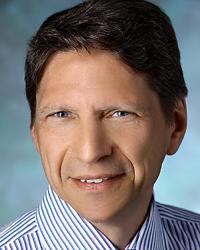
-
Drug Development Unit
The Drug Development Unit (DDU) provides clinical research services and support to the faculty of the School of Medicine and to pharmaceutical sponsors. Our team of experienced investigators, nurses, and clinical research staff promote excellence in clinical trial operations. A wide range of services are available, from protocol design and clinical and laboratory support and data analysis, to administrative services including clinical trial agreement negotiation as well as IND and project management. -
Drug Discovery Group
Barbara Slusher, M.A.S., Ph.D., leads a 20-member veteran drug discovery team of medicinal chemists, assay developers, pharmacologists, toxicologists and pharmacokinetic/drug metabolism experts, who identify novel drug targets arising from JHU faculty’s research and translate them into new, small molecule drug therapies. Her team collaborates extensively with faculty at the Bloomberg~Kimmel Institute for Cancer Immunotherapy and leads the BKI immunotherapy drug discovery core, aimed at developing new immune-targeting drug therapies for laboratory and clinical testing at Johns Hopkins.