
A Pioneer in Cancer Research
By linking HPV and cancer, Maura Gillison upended conventional wisdom and shaped clinical standards around the globe.
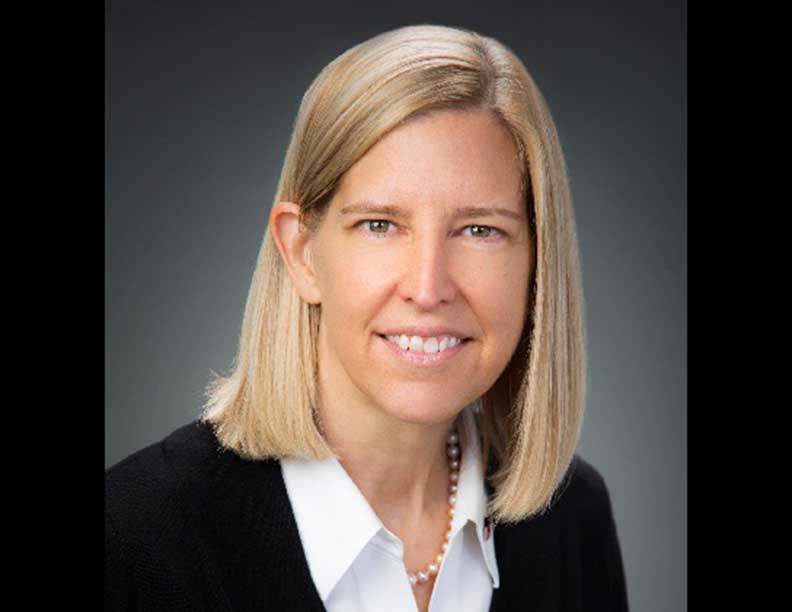
Maura L. Gillison ’91 — a pioneering medical oncologist, molecular epidemiologist, and a towering figure in cancer research whose life's work fundamentally transformed our understanding of human papillomavirus (HPV) and its relationship to cancer — died on June 21, 2026. She was 61.
After earning her medical degree from Johns Hopkins and completing her internal medicine internship at The Johns Hopkins Hospital, Gillison returned to Baltimore to complete clinical fellowship training in medical oncology and pursue a Ph.D. (’01) at the Johns Hopkins Bloomberg School of Public Health. There, while working in the lab of Keerti Shah, she authored a landmark 2000 paper in the Journal of the National Cancer Institute that definitively established the causal connection between HPV-16 and a distinct subset of oropharyngeal cancers. This discovery overturned nearly a century of conventional medical wisdom, which had previously attributed all head and neck cancers exclusively to tobacco and alcohol use.
Gillison continued her groundbreaking contributions as senior author of the 2007 New England Journal of Medicine study confirming the role of HPV in head and neck squamous cell carcinomas. Her subsequent research shaped global clinical standards, guided National Cancer Institute clinical trial stratifications and heavily influenced public health advocacy for universal HPV vaccination for both boys and girls.
Her research “totally changed our understanding” of head and neck cancer “and demonstrated that one person can make a difference,” Otis Brawley, a professor of oncology and epidemiology at Johns Hopkins and a former top official of the American Cancer Society, told The Cancer Letter, a news outlet, after her death.
Throughout her career — including faculty roles at Johns Hopkins, The Ohio State University, and the University of Texas MD Anderson Cancer Center — Gillison received numerous accolades, including the American Society of Clinical Oncology’s prestigious David A. Karnofsky Memorial Award in 2021.