
Ye Qiao Uses MRI to Reshape Cerebrovascular Care
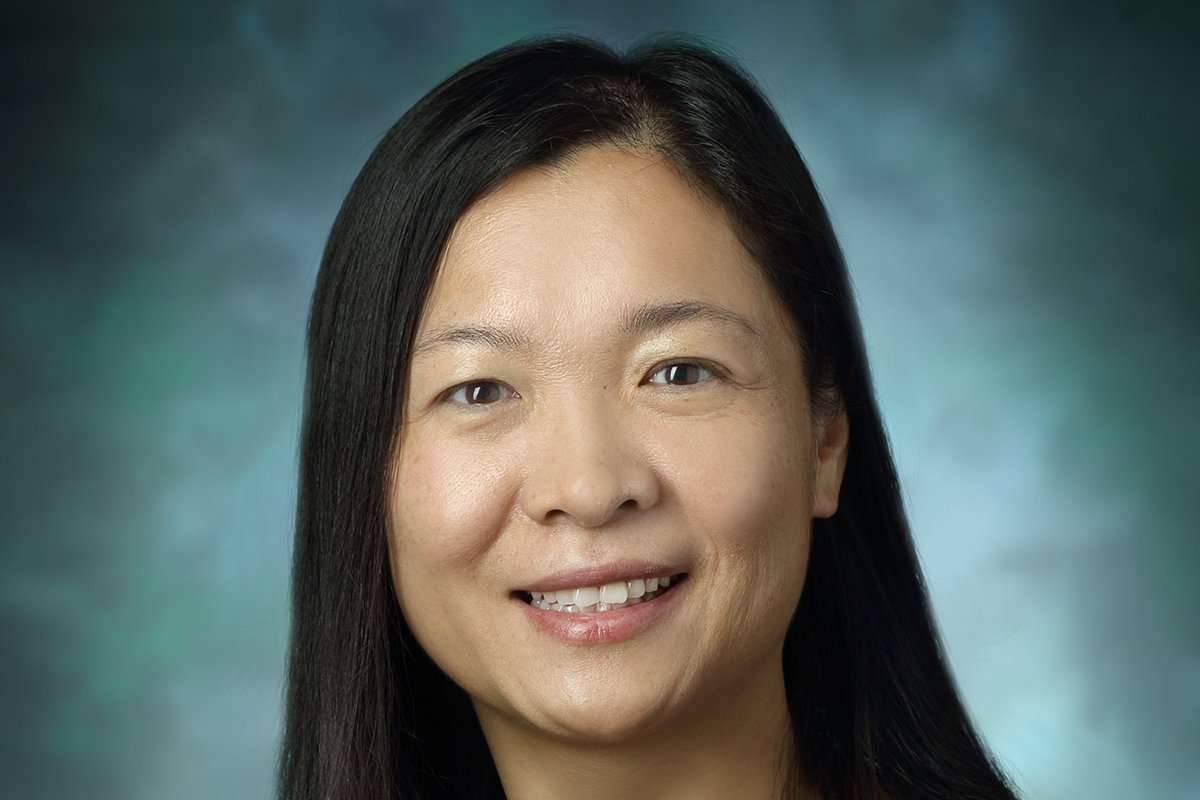
Cerebrovascular disease is a leading cause of death and disability worldwide, with stroke and vascular dementia placing an enormous burden on patients, families and healthcare systems. At Johns Hopkins Medicine, researcher Ye Qiao is taking a novel approach to the issue by using biological data and MRI brain scans to pinpoint the molecular causes of such conditions with the goal of developing new tools to diagnose and treat patients before life-threatening complications arise.
Qiao’s background includes training in medicine, biomedical engineering and biophysics, a multidisciplinary blend that makes her uniquely positioned for such research. For the past 20 years, she has used that expertise to research vessel wall imaging. She uses neurovascular MRI and molecular imaging to look at cerebrovascular conditions such as small vessel disease, which damages the tiny, deep-seated blood vessels in the brain, often leading to neurological conditions like stroke and vascular dementia.
Qiao also collects biological data, studying factors such as genetics and cell proteins in both live patients and lab tissue scans to match cell-level data with the brain’s appearance in imaging scans. Her aim is to use this information to link specific biological processes — such as inflammation, unstable plaque or damage in blood vessels — to an increased risk for conditions like stroke, vascular dementia or even Alzheimer’s disease. This information could be used to guide treatments designed to prevent these conditions from occurring or causing more damage.
“My goal is to use my knowledge of MR imaging techniques to study the risk factors of vascular diseases and to provide preventive healthcare strategies to prevent such conditions,” she says.
Qiao has made many valuable contributions to the field of cerebrovascular research during her impressive career. Ten years ago, her team was among the first to publish an in-depth study of the cerebral vascular wall, looking in detail at structural details like wall thickness. She has also published work looking at cerebral ion concentrations in the brain. She then applied this information to population studies in an effort to determine whether the ions deposited in the brain can affect cognitive function.
She is also actively working in several large, multicenter studies, including the Atherosclerosis Risk in Communities (ARIC) Study, the Multi-Ethnic Study of Atherosclerosis (MESA) and UK Biobank (UKB). By leveraging advanced MRI, longitudinal clinical data, and biological information from these large cohorts, Qiao investigates the vascular and molecular factors associated with stroke, cognitive decline and dementia, with the goal of identifying imaging and biological markers for earlier detection and prevention.
Her work on the prevalence and risk factors of intracranial atherosclerosis has made important contributions to understanding the burden of cerebrovascular disease in the general population. Using data from large, community-based studies, her research has helped identify vascular risk factors associated with intracranial atherosclerosis and clarify its role in stroke, cognitive decline, and dementia.
Expanding on this work, Qiao’s team is currently planning research into the molecular drivers of atherosclerosis and cardiovascular disease. While physicians are often successful in using lipid-lowering therapies in patients with high cholesterol, disease risk can remain high due to arterial wall inflammation and other persistent issues. By linking MRI and biological data, Qiao is working to discover the molecular causes of atherosclerosis and cardiovascular disease to find better treatment options for physicians and their patients.
By combining powerful MR imaging with cutting-edge research into physiological factors, Qiao’s pioneering multidisciplinary research is redefining the traditional diagnosis and treatment of serious vascular conditions, aiming to prevent some of the world’s deadliest conditions before they begin.
For Clinicians Clinical Connection
Clinicians, discover the latest in research and clinical innovation from Johns Hopkins experts. Access educational videos, articles, CME courses and other resources from our world-renowned institution.