
When Hypertension Starts in the NICU
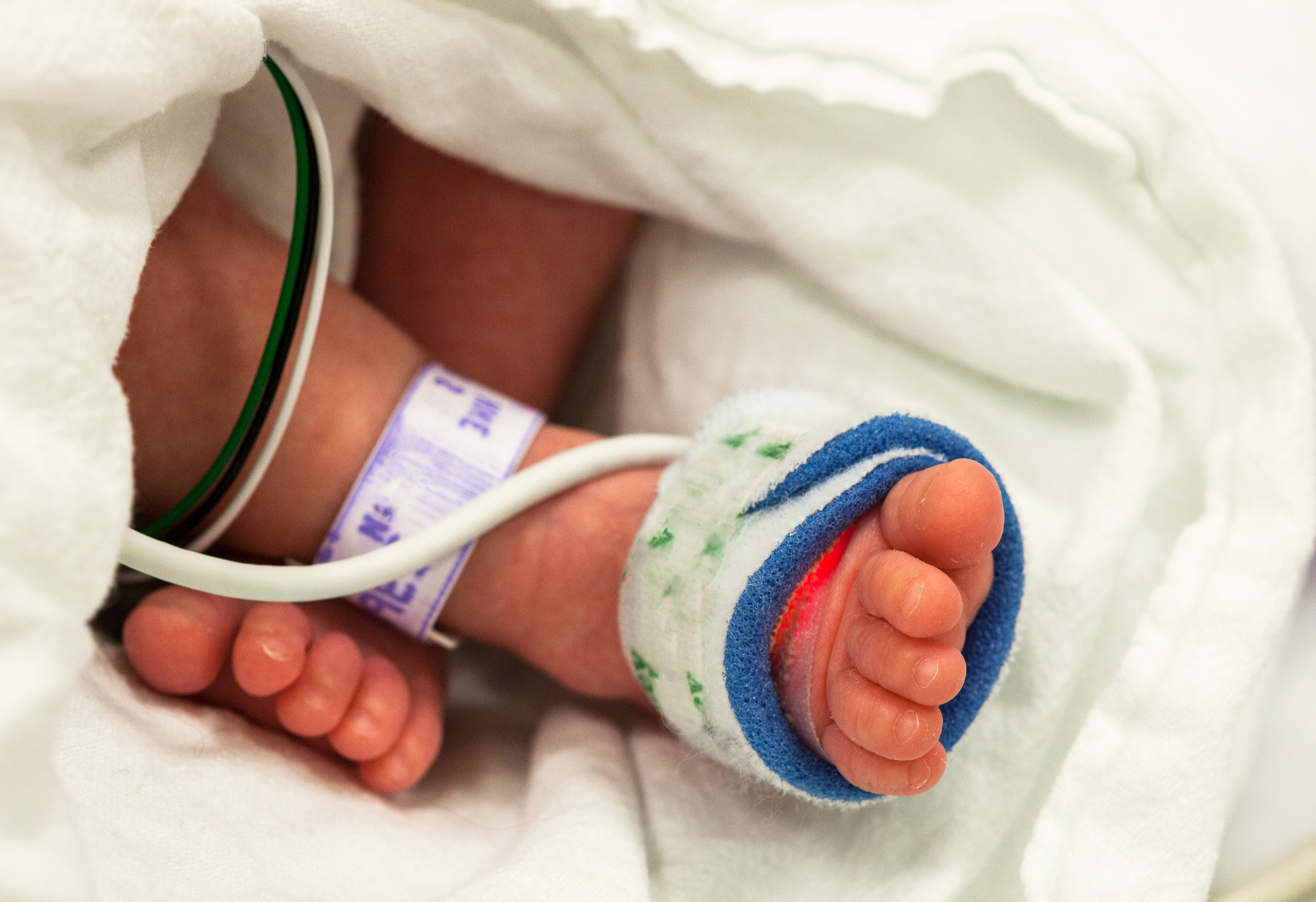
Some preterm infants admitted to the neonatal intensive care unit (NICU) — even without major complications of premature birth — have a heightened risk of persistent hypertension as they grow, according to a new study by Children’s Center researchers.
The findings, which appeared in JAMA Network Open, add to evidence that prematurity and associated complications increase the risk of high blood pressure, and also suggest that in some cases the increased risk could be related to potential exposures in the NICU.
“Children who are born prematurely and spend time in the NICU, regardless of whether they experienced complications, need to be closely followed and screened early for blood pressure changes and hypertension, and should continue to be followed throughout their lives,” says Kartikeya Makker, interim director of the Division of Neonatal-Perinatal Medicine at the Children’s Center, who led the study.
Her team analyzed information on 2,459 children in the Boston Birth Cohort. The cohort, begun in 1998 at Boston Medical Center by Xiaobin Wang, now director of the Center on the Early Life Origins of Disease at the Johns Hopkins Bloomberg School of Public Health, was designed to study babies and children over time. The children come from predominantly urban, low income, minority populations, and almost one-third in the cohort were born prematurely.
"Children who are born prematurely and spend time in the NICU, regardless of whether they experienced complications, need to be closely followed and screened early for blood pressure changes and hypertension, and should continue to be followed throughout their lives."
Kartikeya Makker
“Even full-term–born infants requiring NICU admission had an elevated risk for persistent hypertension, when compared with full-term–born infants that did not require NICU admission,” the researchers note, adding, “This is an important, previously underrecognized nuance to conferred [cardiovascular disease] risk.”
Any infant’s course in the NICU “is highly stressful,” the investigators write, with varied “noxious exposures” such as infections, antibiotics, oxidative stress from mechanical ventilation, inflammation and chemical exposures from medical devices and equipment.
The team’s future studies will focus on using their data to create a hypertension risk scoring system for premature babies. The researchers also plan to look at kidney function in premature babies and how it may lead to hypertension.