
Treating Seasonal Allergies in Kids
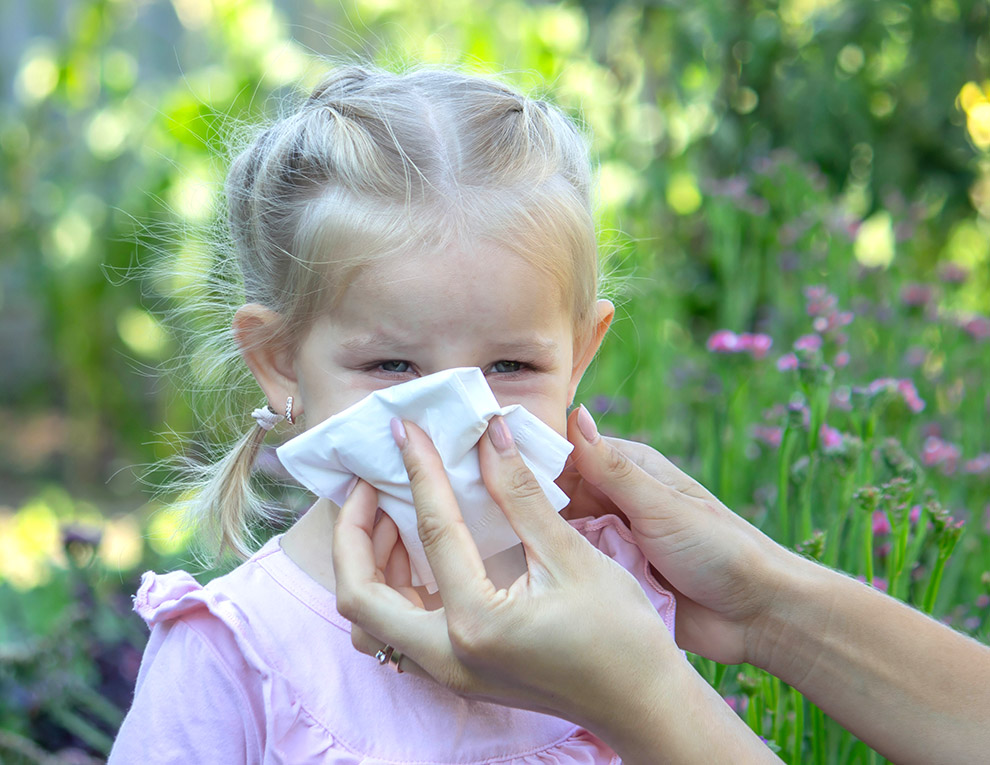
By the time our cars begin to get that golden yellow dusting of oak pollen every spring, many parents are already seeing the symptoms of seasonal allergies in their children.
The struggle is apparent in their runny noses, red, itchy eyes, and perhaps a cough. Some kids have trouble sleeping and may be extra tired at school.
We posed some questions to Johns Hopkins All Children’s pediatric emergency medicine physician Patrick Mularoni, M.D., about how to help a child struggling with allergies to feel better.
At what age do children tend to develop seasonal allergies, and how can you tell they have allergies as opposed to a cold or some other illness?
Children can develop allergies at any time, generally after age 2. Because children ages 2 to 4 tend to get sick frequently anyway, the seasonal allergies become more apparent in school age kids.
You can look for the patterns in your child. You may notice that they are perfectly fine until they go outside and now, suddenly, their nose is running.
One of the things I pick up on in the Emergency Department is something called the “allergic salute” sign. A child may come in for something else, but they have a little red crease across the top of their nose. That’s often from the child rubbing their nose to relieve the itching or congestion because of their allergies. So, there are various signs we can pick up on in an exam, but for parents, it really is about watching your child for those patterns and then considering whether to give them something to make them feel better.
Parents want to avoid medicating their kids for every little thing, but sometimes kids do need something to help ease the symptoms of their allergies, don’t they?
Yes, there are times when age-appropriate medications can be helpful. There are over-the-counter non-sedating antihistamines, eye drops, saline nasal rinses or sprays available.
With persistent symptoms, you can visit your child’s doctor for prescription solutions, including immunotherapy medications if those are deemed appropriate.
If you have a child with asthma, you may already know this is a triggering time for them, so you want to have an action plan — use controller medications as prescribed and have those quick-relief inhalers available.
How do you find that balance between encouraging fresh air and exercise for your kids, but also managing allergy symptoms?
Always try to say yes to fresh air and activity when it comes to your child. If they’re struggling with allergies, treat them and allow them to have some time outside.
Other suggestions that may be helpful:
- You may want to check the day’s pollen count before planning activities so that you can schedule for times when pollen counts are lower. You can find daily pollen counts on weather sites online, and some local news outlets have pollen counts on their weather pages.
- Consider shorter, more frequent playtimes outside as opposed to being outdoors for a long stretch of time during high pollen season.
- Sunglasses and hats can help shield some of the pollen from getting into eyes or hair.
- Have your child take a shower before bed. That can reduce the amount of pollen that can be transferred to your child’s bedding.
- If your child’s allergy symptoms persist, you may want to try a daily antihistamine, but it’s always a good idea to check with your doctor.
- If your child is wheezing or really struggling with breathing, seek urgent care for that.